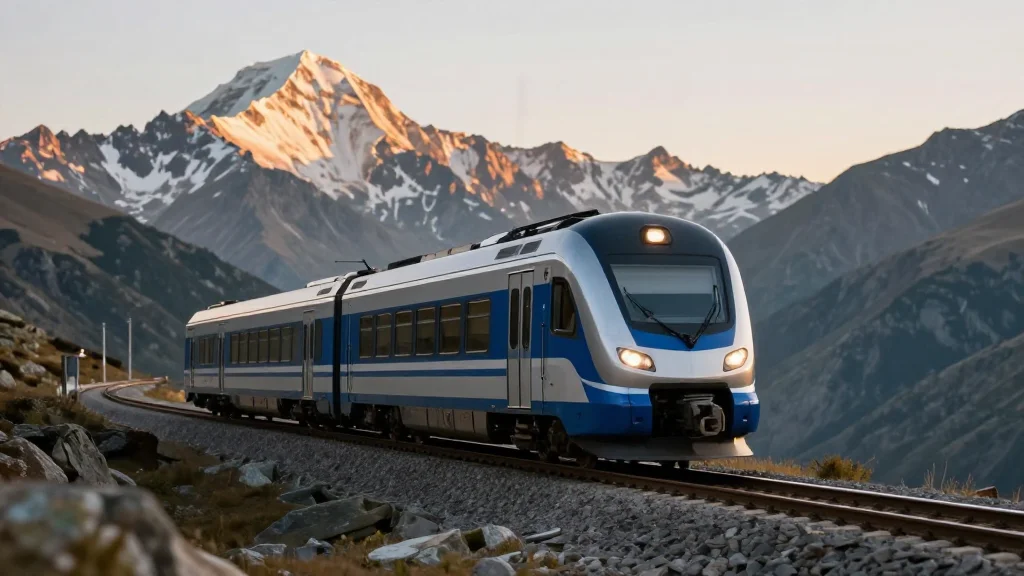
Georgia Unveils Three-Year Rail Action Plan
Why It Matters
The overhaul will boost Georgia’s role as a regional logistics hub, driving tourism, freight efficiency and broader economic growth.
Key Takeaways
- •Goal: double rail network capacity by 2026.
- •Passenger trips target: 5 million annually by 2030.
- •10 new passenger trains and 50 locomotives ordered.
- •New Tbilisi‑Kutaisi line improves north‑south connectivity.
- •Tbilisi‑Batumi upgrade cuts travel time to 4 hours.
Pulse Analysis
Georgia’s three‑year rail action plan marks the most ambitious overhaul of the country’s rail system since independence. Prime Minister Irakli Kobakhidze framed the program as a catalyst for economic diversification, linking the capital with key western hubs and the Black Sea corridor. By expanding capacity and modernising services, the government hopes to position Georgia as a transit gateway between Europe, the Caucasus and the Middle East, a role that has gained urgency as regional logistics networks scramble for faster, more reliable connections. The initiative also aligns with Georgia’s 2025 digital rail ticketing rollout, further modernising passenger experience.
The plan calls for 10 new passenger trains, 50 locomotives and 1,500 freight wagons, a fleet expansion that will double network capacity and lift annual passenger journeys from 2 million to 5 million by 2030. Infrastructure upgrades include a direct Tbilisi‑Kutaisi line, a revamped Tbilisi‑Batumi corridor that will shave 1.5 hours off travel time, and the revival of the Tbilisi‑Akhaltsikhe and Borjomi‑Bakuriani routes. Together, these projects aim to cut freight bottlenecks, lower logistics costs, and make rail travel more comfortable for both locals and tourists. Improved reliability is expected to attract container traffic currently routed through road corridors.
While the timetable is aggressive, financing will likely blend state budget allocations with multilateral loans and private‑sector partnerships, mirroring similar rail revivals in the Balkans. Successful execution could boost tourism revenues, attract foreign investment, and reinforce Georgia’s bid for greater integration with European transport corridors. However, challenges such as land acquisition, skilled‑labor shortages, and maintaining service continuity during construction remain. If addressed, the upgraded rail network could become a cornerstone of the country’s long‑term growth strategy and a model for post‑Soviet infrastructure renewal. Monitoring mechanisms include quarterly performance reviews and independent audits to ensure transparency.
Georgia unveils three-year rail action plan
Comments
Want to join the conversation?
Loading comments...