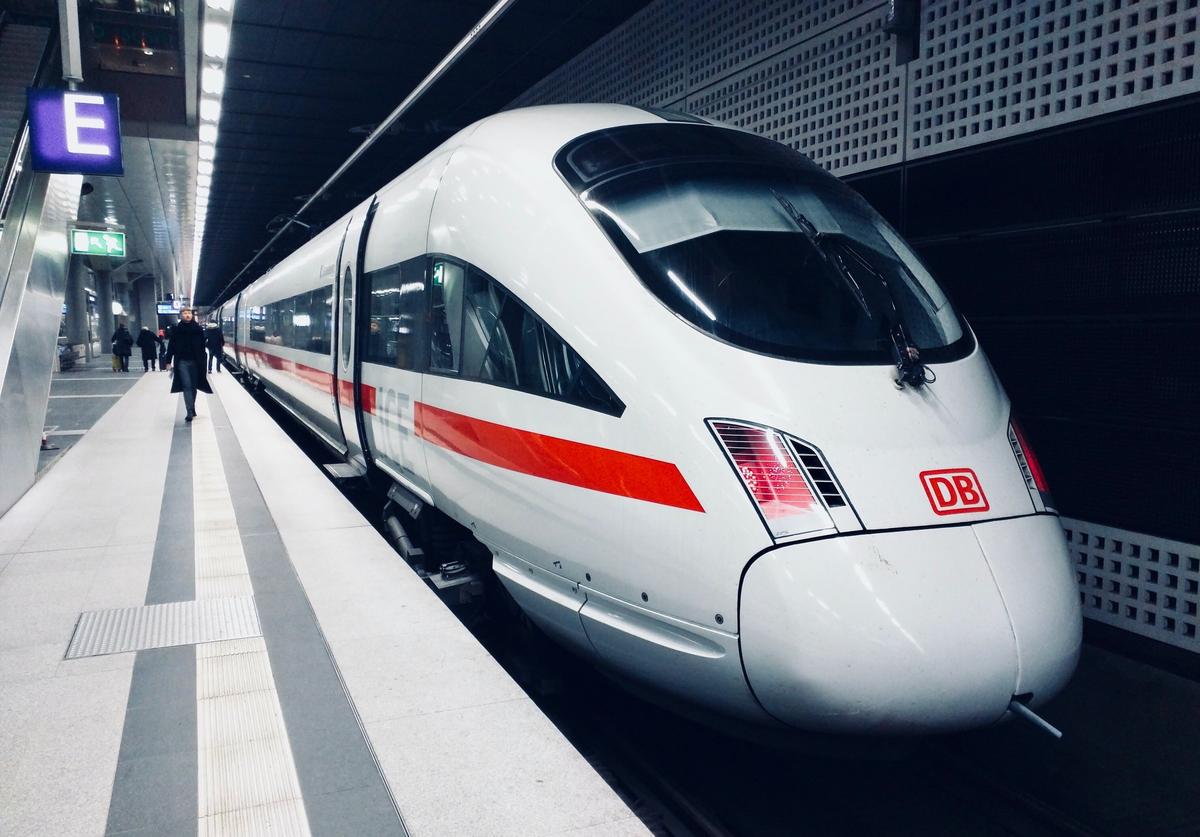
Germany Is Freezing Train Fares to Tackle Hormuz Oil Crisis – Why Can’t the Rest of Europe?
Companies Mentioned
Why It Matters
The freeze eases household travel budgets and encourages a greener modal shift, but without structural reforms the relief may be short‑lived.
Key Takeaways
- •Deutsche Bahn freezes long‑distance fares until April 2027
- •EU petrol up 12% to €1.83/L (~$2.01)
- •Netherlands and Lithuania also cut or cap rail tickets
- •Rail emits 4‑5× less CO₂ than cars or planes
- •Long‑term affordability needs competition and public‑budget support
Pulse Analysis
The Hormuz oil disruption has sent European fuel prices soaring, with Euro‑super 95 climbing to €1.83 per litre (about $2.01). Germany’s decision to lock long‑distance rail fares for a full year is a direct response to protect consumers’ travel budgets and to capitalize on rail’s environmental advantage—electric trains are roughly four times cleaner than cars and five times cleaner than short‑haul flights. By keeping ticket prices steady, Deutsche Bahn hopes to lure price‑sensitive travelers away from petrol‑intensive road trips and low‑cost airlines, reinforcing the EU’s broader climate goals.
Price remains the biggest obstacle to wider rail adoption across Europe. Studies show train tickets often cost twice as much as comparable flights; a Paris‑London return can exceed €170 ($187) versus €87 ($95) for a budget airline. Competitive pressure, however, can drive fares down. In Spain, rivalry between Iryo and Ouigo cut prices by up to 44% when inflation is considered, while France’s entry of Trenitalia trimmed fares 10%‑30% on key corridors. The Channel Tunnel’s capacity could support a 50% increase in services, potentially slashing ticket costs by up to 30%. These examples illustrate that market competition, coupled with transparent booking platforms, can make rail a viable alternative to air and road travel.
For the price freeze to translate into lasting demand, policymakers must look beyond temporary subsidies. The EU’s Social Climate Fund could finance broader fare‑freezing schemes, but structural reforms are essential: increased funding for network maintenance, streamlined ticketing systems, and incentives for new operators to enter underserved routes. Aligning rail policy with broader transport measures—such as taxing aviation fuel and expanding electric‑bus networks—will reduce reliance on volatile oil markets and cement rail’s role in a resilient, low‑carbon mobility ecosystem. In the long run, coordinated investment and competition will be the key to making affordable, sustainable rail travel a reality for European citizens.
Germany is freezing train fares to tackle Hormuz oil crisis – why can’t the rest of Europe?
Comments
Want to join the conversation?
Loading comments...