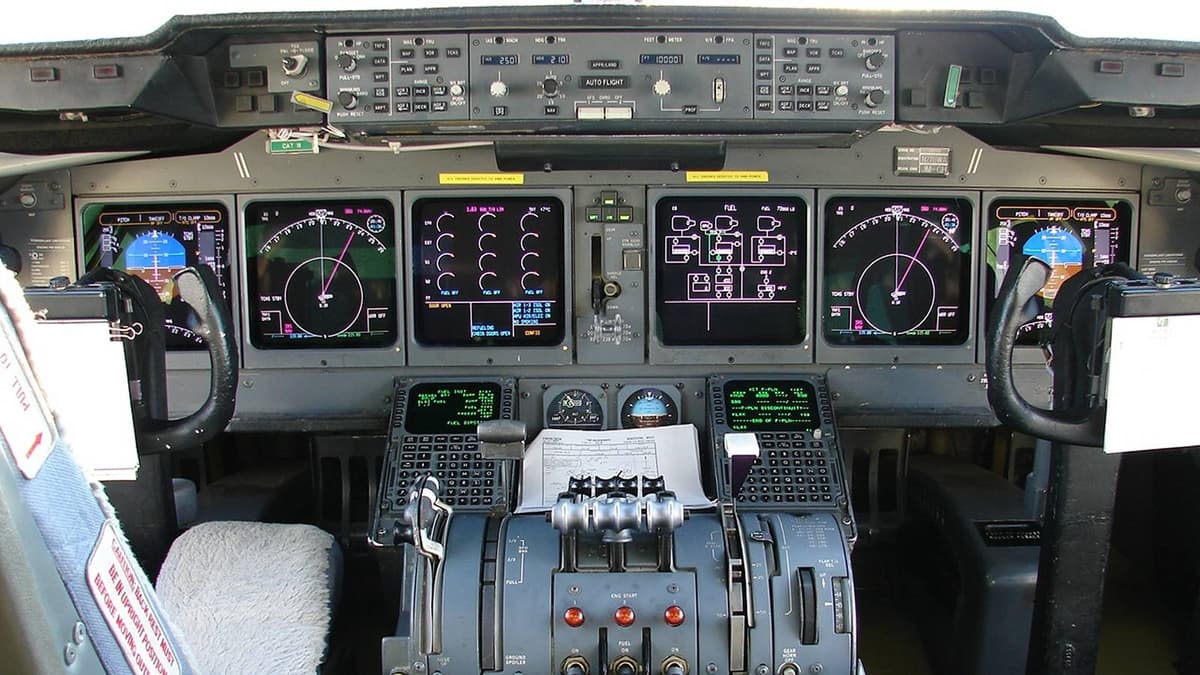
Glass Or No Glass? How The DC-10 & McDonnell Douglas MD-11’s Cockpits Are Different
•March 4, 2026
0
Why It Matters
Glass cockpits boost operational efficiency and safety, yet retrofitting older airframes incurs significant cost and regulatory hurdles, influencing fleet modernization strategies.
Key Takeaways
- •MD-11 cockpit uses glass displays, DC-10 retains analog gauges
- •Digital avionics improve situational awareness and reduce pilot workload
- •Transition reflects industry shift toward integrated flight decks
- •Retrofit costs limit glass cockpit adoption on older fleets
- •Regulatory approvals required for major cockpit redesigns
Pulse Analysis
The DC-10 and MD-11 look nearly identical from the outside, but their cockpits illustrate the aviation industry's evolution from analog to digital. The DC-10, introduced in the early 1970s, relies on conventional dials, needle gauges, and separate navigation radios. In contrast, the MD-11, launched in the early 1990s, adopted a glass cockpit with multifunction displays, flight‑management computers, and electronic flight‑instrument systems. This transition not only modernized pilot interfaces but also aligned the aircraft with emerging air traffic management standards.
Glass cockpits deliver tangible operational benefits. Digital displays consolidate data, reducing pilot workload and enhancing situational awareness during critical phases such as approach and descent. Integrated systems enable more precise navigation, fuel‑saving flight paths, and automated alerts that improve safety margins. Airlines that upgraded to the MD-11 reported lower dispatch delays and higher dispatch reliability, as electronic systems simplify troubleshooting and reduce maintenance time compared with mechanical gauges that require frequent calibration.
However, the shift carries financial and regulatory implications. Retrofitting legacy fleets like the DC-10 with glass avionics involves substantial capital outlay, certification processes, and potential downtime, deterring many operators from pursuing upgrades. Consequently, carriers must weigh the long‑term efficiency gains against immediate costs and certification timelines. As newer aircraft are designed with fully digital flight decks from inception, the industry trend points toward phasing out analog platforms, reinforcing the strategic importance of investing in glass cockpit technology for future‑proofing airline operations.
Glass Or No Glass? How The DC-10 & McDonnell Douglas MD-11’s Cockpits Are Different
0
Comments
Want to join the conversation?
Loading comments...