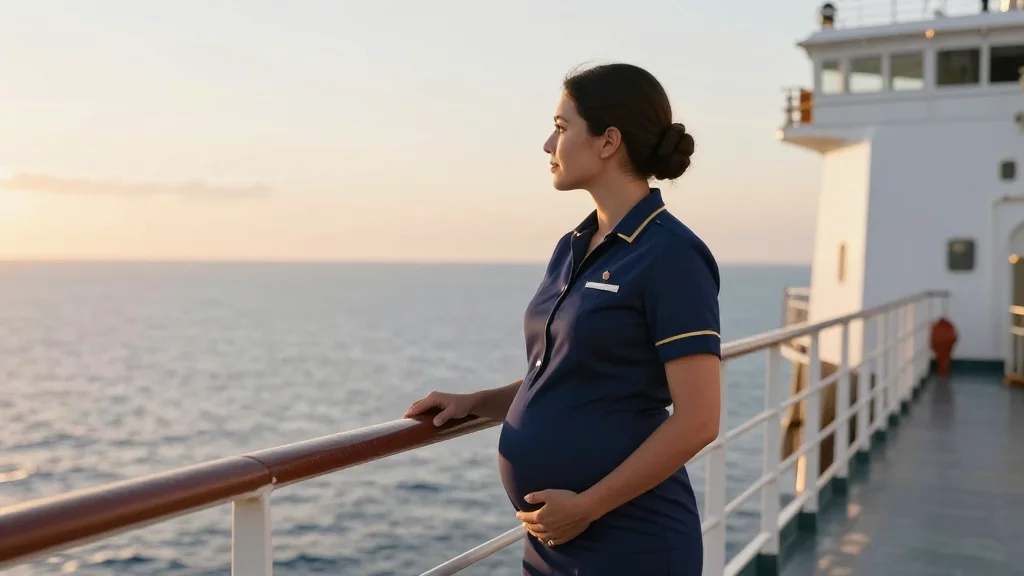
Global Maritime Forum: Shipping Firms Must Plan for when Women at Sea Have Children
Why It Matters
Providing structured support for pregnant seafarers reduces turnover, improves onboard safety, and enhances the industry's appeal to a broader talent pool.
Key Takeaways
- •GMF study links pregnancy support to higher female crew retention
- •Companies often lack standardized policies for pregnancy disclosure and leave
- •Risk‑based duty adjustments enable safe work through second and third trimesters
- •Clear repatriation and re‑entry plans improve safety and employer brand
Pulse Analysis
Gender diversity has long been a strategic challenge for the maritime sector, where women represent less than 5% of crew worldwide. As global supply chains rely on resilient shipping operations, the industry’s ability to attract and keep qualified talent is increasingly tied to inclusive workplace practices. The recent focus on "pregnancy at sea" highlights a specific barrier: without clear policies, pregnant crew members often conceal their condition, risking health, safety, and career continuity. Addressing this gap aligns with broader ESG goals and positions firms as progressive employers in a competitive labor market.
The GMF’s report, based on interviews with fifteen women from eight nationalities serving on six vessel types, uncovers a pattern of improvised responses—ranging from mandatory pregnancy tests to immediate removal from duty. Such ad‑hoc actions not only jeopardise safety but also erode trust. The report outlines concrete interventions: risk‑based duty adjustments that limit physically demanding tasks, scheduled repatriation timelines to ensure medical care, uninterrupted pay during leave, and defined pathways for re‑entry after childbirth. Implementing weekly risk checks and personalised voyage lengths has already enabled some women to work safely into the third trimester, demonstrating that operational adjustments can coexist with rigorous safety standards.
For shipowners and operators, embracing these practices offers a dual advantage. First, it directly improves retention by reducing the attrition rate of female seafarers who might otherwise exit the profession after pregnancy. Second, it enhances corporate reputation, satisfying investors and regulators increasingly attentive to gender equity and workforce wellbeing. Companies can start by drafting a universal pregnancy policy, training captains and crew on inclusive protocols, and integrating health‑risk assessments into voyage planning software. As the industry moves toward decarbonisation and digitalisation, a workforce that reflects broader societal demographics will be essential for sustainable growth.
Global Maritime Forum: Shipping firms must plan for when women at sea have children
Comments
Want to join the conversation?
Loading comments...