Global Shipping Order May Never Recover From Hormuz
Companies Mentioned
Why It Matters
Reduced flow through Hormuz threatens global energy supply chains and weakens U.S. strategic leverage over critical sea lanes, reshaping the balance of maritime power.
Key Takeaways
- •Hormuz traffic down sharply after US seizure and Iranian ship captures.
- •Strait carries ~25% of global oil and 20% of LNG shipments.
- •US created $40 billion maritime insurance fund to spur vessel movement.
- •Rising insurance premiums and legal uncertainty deter carriers despite fund.
- •Disruption benefits US producers while eroding Washington’s role as sea‑lane guarantor.
Pulse Analysis
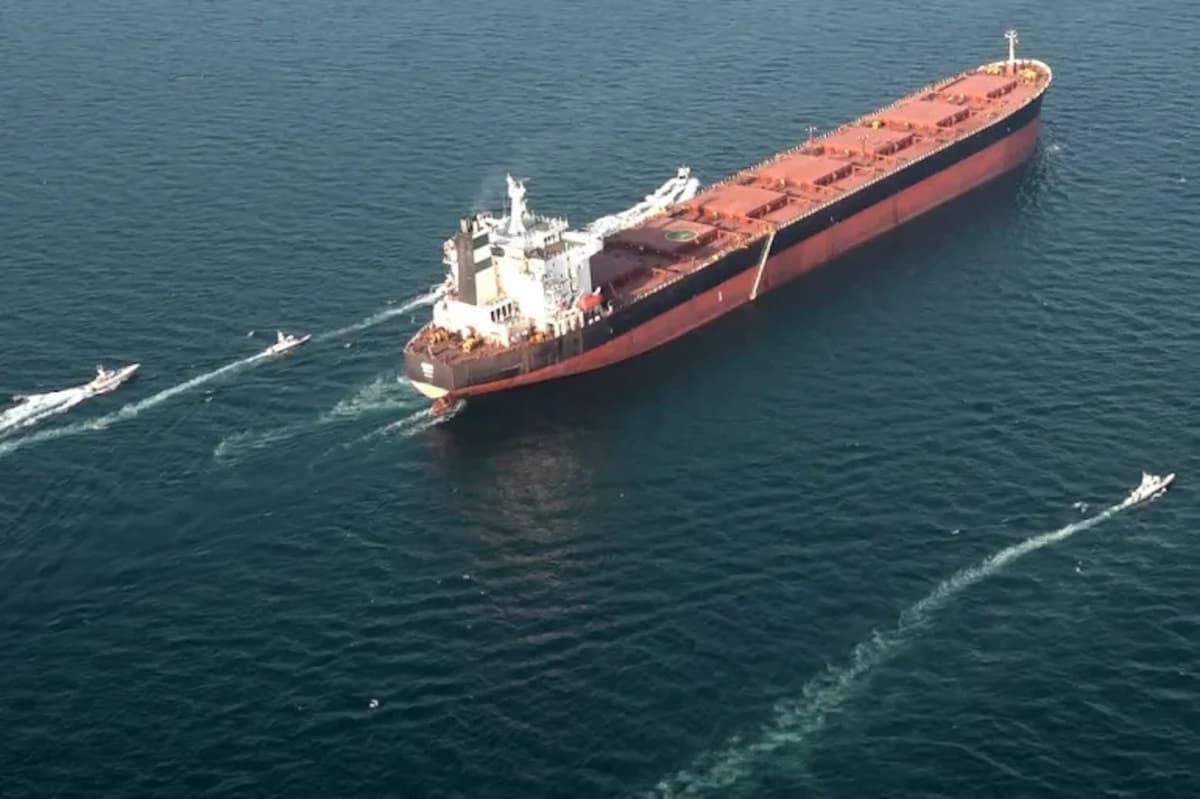
The latest flare‑up in the Strait of Hormuz has sent tanker volumes tumbling as U.S. forces boarded an Iran‑bound container ship and Iranian units seized two additional vessels. With roughly a quarter of the world’s oil and a fifth of its liquefied natural gas traditionally flowing through the narrow passage, the sudden slowdown has tightened global energy markets. Even a $40 billion insurance backstop cannot offset soaring premiums and the legal gray area created by both nations’ claims, prompting shippers to reroute or delay cargoes despite higher costs.
Beyond the immediate trade disruption, the crisis marks a pivotal shift in U.S. maritime strategy. Historically, Washington’s naval presence acted as a safety net that underpinned the dollar‑denominated shipping premium and secured free passage for global commerce. As domestic production reduces American reliance on Middle‑Eastern oil, policymakers appear more willing to tolerate intermittent closures, effectively ceding some of that strategic leverage. The erosion of U.S. guarantor status not only benefits domestic producers but also opens space for rival powers, notably China, to expand influence over alternative routes and port assets.
The Hormuz standoff also reflects a broader fragmentation of the international maritime order. Parallel challenges—from Houthi attacks in the Red Sea to a resurgence of Somali piracy—demonstrate how non‑state actors can exploit security gaps, while competing legal interpretations between Tehran and Washington weaken collective enforcement mechanisms. As chokepoints become increasingly contested, the private maritime security sector is booming, yet regulatory oversight lags. Stakeholders must therefore navigate a more volatile environment where geopolitical risk, insurance costs, and supply‑chain resilience intersect, reshaping how global trade is protected and financed.
Global shipping order may never recover from Hormuz
Comments
Want to join the conversation?
Loading comments...