GM’s US Manufacturing Investments Surpass $6B in One Year
Companies Mentioned
Why It Matters
The infusion of capital secures jobs and bolsters U.S. supply chains while signaling a strategic shift away from electric‑vehicle focus amid changing tax incentives. It also positions GM to meet growing demand for gas‑powered trucks despite rising tariff pressures.
Key Takeaways
- •GM invests $830M across three U.S. plants, total US spend $6B
- •Transmission capacity expands at Romulus and Toledo plants
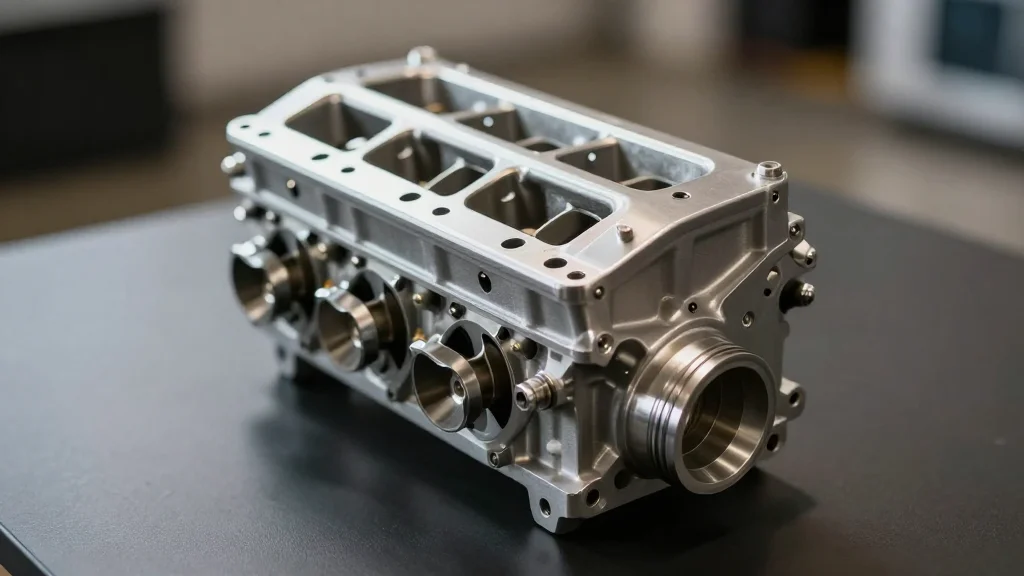
- •Saginaw casting plant receives $150M for engine block production
- •Investment backs shift to gas trucks as EV credits tighten
- •Tariff exposure $2.5‑$3.5B, offset by $500M refunds
Pulse Analysis
General Motors’ latest $830 million infusion underscores a broader recalibration of its North American production strategy. While the automaker has long championed electric‑vehicle ambitions, recent adjustments to federal tax credits have made high‑volume EV launches less financially attractive. By channeling funds into proven gasoline platforms—specifically 10‑speed transmissions and V‑8 engine casting—GM is hedging against policy volatility and capitalizing on sustained consumer demand for full‑size trucks and SUVs. This domestic focus also aligns with the company’s effort to mitigate tariff exposure that could otherwise erode margins.
The targeted upgrades at Romulus, Toledo and Saginaw plants carry tangible operational benefits. Expanding transmission lines in Romulus and Toledo not only lifts production capacity for upcoming truck and SUV models but also safeguards roughly 2,650 jobs across the facilities, a point highlighted by United Auto Workers leadership. Meanwhile, the $150 million boost to Saginaw’s metal‑casting operations enhances the output of engine blocks and heads critical for both pickup trucks and performance models like the Corvette. These investments reinforce GM’s supply‑chain resilience, reducing reliance on imported components and cushioning the impact of the $2.5‑$3.5 billion tariff bill the company anticipates.
Industry analysts view GM’s pivot as a bellwether for the broader auto sector, where manufacturers must balance electrification goals with short‑term market realities. The shift suggests that, until EV incentives stabilize, legacy powertrains will remain a revenue engine, especially in the lucrative U.S. truck segment. Competitors are likely to monitor GM’s domestic spend and tariff mitigation tactics, potentially prompting similar re‑investments in gasoline‑focused facilities. Ultimately, GM’s strategy reflects a pragmatic blend of innovation and tradition, aiming to preserve profitability while navigating an evolving regulatory landscape.
GM’s US manufacturing investments surpass $6B in one year
Comments
Want to join the conversation?
Loading comments...