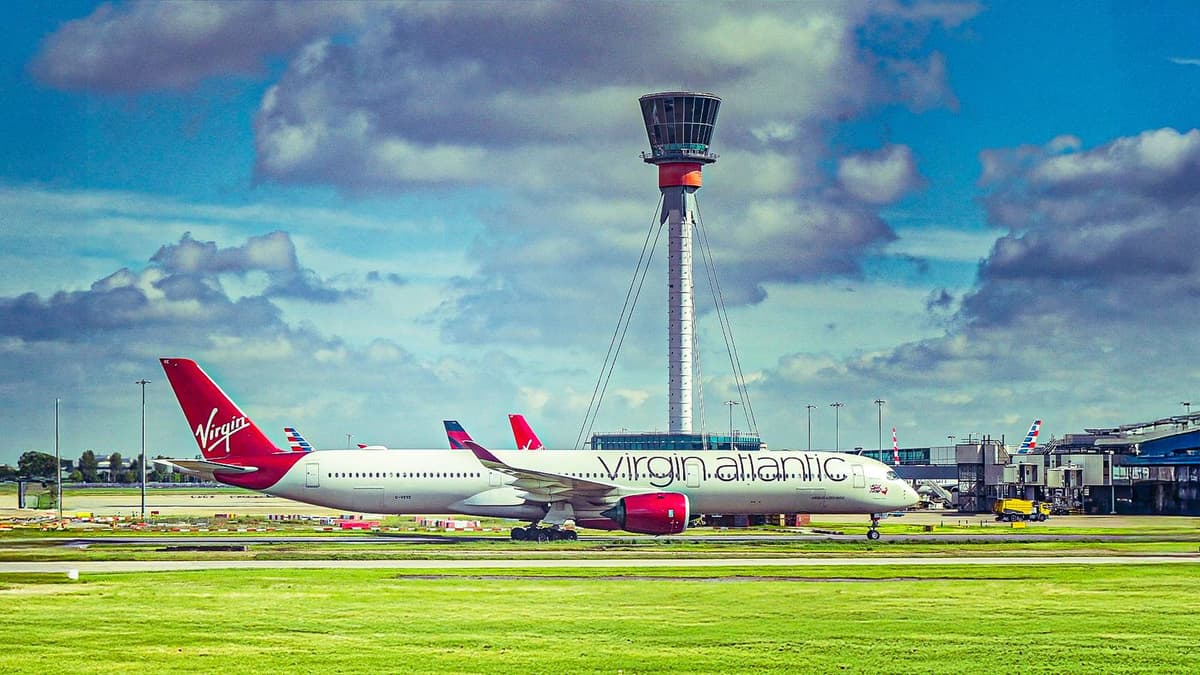
Gone After 3 Years: Virgin Atlantic Abruptly Axes This Long-Haul Route
Companies Mentioned
Why It Matters
The exit reduces competition on a high‑traffic trans‑Atlantic corridor, strengthening Emirates’ market share and allowing Virgin to focus on more profitable, lower‑risk routes. It also signals how geopolitical instability can reshape airline networks quickly.
Key Takeaways
- •Virgin Atlantic suspends Dubai, Riyadh, Tel Aviv routes until further notice
- •Emirates remains sole carrier with six daily London‑Dubai A380 flights
- •Virgin reallocates A350s to boost South Africa capacity through Cape Town
- •London‑Dubai pair retains high demand despite Virgin’s withdrawal
Pulse Analysis
Virgin Atlantic’s abrupt suspension of its Dubai, Riyadh and Tel Aviv services underscores how rapidly geopolitical events can force airlines to rethink route strategies. The carrier had re‑entered the Dubai market three years ago, operating a daily Airbus A350‑1000 flight, but the escalation of conflict in the wider Middle East prompted an early suspension in February. While its booking platform hints at a possible future return, the airline has removed all three Middle‑Eastern destinations from its winter schedule, leaving a gap in its long‑haul portfolio.
The withdrawal reshapes the competitive dynamics on the lucrative London‑Dubai corridor. Emirates continues to dominate with six daily A380 services and an additional Boeing 777‑300ER, effectively covering the demand that Virgin and British Airways once shared. British Airways has not yet resumed flights, leaving Emirates as the sole major carrier on the route. This concentration may allow Emirates to capture higher yields, but it also raises capacity concerns for business travelers who valued Virgin’s premium product and schedule flexibility.
Virgin Atlantic is repurposing the freed A350 capacity to bolster its South‑Africa network, adding frequencies to Cape Town through April 2027. This strategic shift reflects a broader industry trend of reallocating assets to markets with stable demand and lower geopolitical risk. By focusing on routes with predictable revenue streams, Virgin aims to protect its margins while maintaining a presence in key growth regions. Observers will watch whether this reallocation yields higher load factors and whether the airline eventually re‑enters the Middle East once conditions stabilize.
Gone After 3 Years: Virgin Atlantic Abruptly Axes This Long-Haul Route
Comments
Want to join the conversation?
Loading comments...