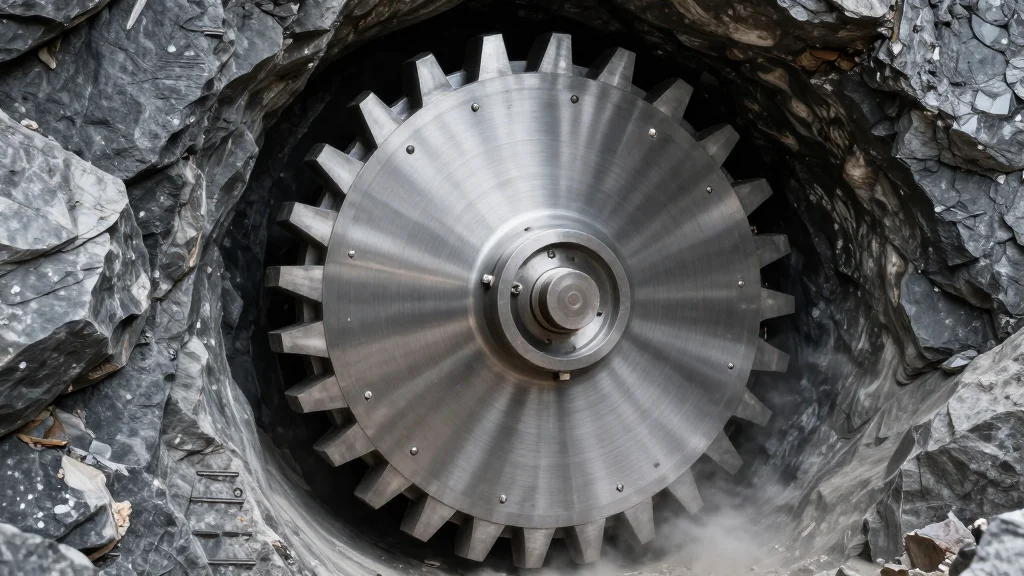
Gotthard Tunnel Crews Advance 32m-a-Day Beneath Swiss Alps
Why It Matters
Doubling the Gotthard tunnel capacity enhances safety and eases congestion on a vital European trade route, while showcasing Swiss tunnelling expertise that can be exported globally.
Key Takeaways
- •TBM 'Alessandra' drills up to 32 m daily in hard Alpine rock
- •Project adds second tube to 1980 Gotthard road tunnel
- •Hard‑rock Single Shield TBM delivers 5,250 kW power
- •Fault zone 400 m long required conventional pre‑excavation
- •Transporting 100 m TBM through cavern before remaining 4 km drive
Pulse Analysis
The Gotthard Road Tunnel is a linchpin of Europe’s north‑south freight and passenger flow, channeling more than 20,000 vehicles daily between Germany, Italy and the rest of the continent. Since its opening in 1980, the single‑tube tunnel has faced capacity constraints and heightened safety concerns, prompting Swiss authorities to commission a parallel tube. By effectively doubling the crossing, the new tunnel will reduce bottlenecks, lower emissions from idling traffic, and provide a vital redundancy that safeguards a key economic corridor.
Achieving 32 metres of daily advance in the Gotthard’s notoriously hard rock marks a technical breakthrough for tunnel engineering. Herrenknecht’s “Alessandra” TBM, a 12.225‑metre diameter Single Shield machine, packs 15 motors for a combined output of 5,250 kW—roughly seven times the power of a Formula 1 car. The machine’s design balances sheer thrust with precision, allowing it to navigate brittle, high‑strength Alpine formations while maintaining alignment for the 4‑kilometre southern segment. The decision to pre‑excavate the 400‑metre fault zone conventionally avoided inefficient mechanised drilling in unstable ground, illustrating a pragmatic blend of traditional and modern methods.
Beyond the Gotthard, this accomplishment reinforces Switzerland’s reputation as a world leader in hard‑rock tunnelling, a sector poised for growth as global infrastructure projects confront increasingly complex geology. Herrenknecht’s success bolsters its market position, potentially attracting contracts for high‑speed rail, hydro‑electric, and urban subway ventures that demand comparable power and durability. Moreover, the expanded tunnel supports Switzerland’s broader sustainability agenda by facilitating smoother traffic flow, cutting travel time, and reducing fuel consumption across one of Europe’s most heavily trafficked routes.
Gotthard tunnel crews advance 32m-a-day beneath Swiss Alps
Comments
Want to join the conversation?
Loading comments...