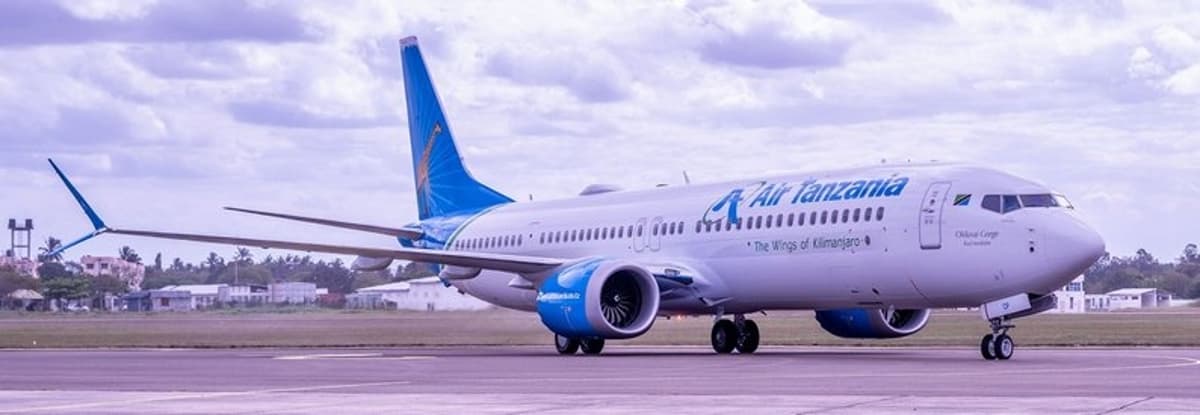
Gov't Allocates $109mn for Air Tanzania Boost
Why It Matters
The infusion signals a decisive state effort to transform Air Tanzania into a regional hub, boosting tourism, cargo capacity and economic connectivity across East Africa and beyond.
Key Takeaways
- •Tanzania invests $109 million in Air Tanzania's expansion.
- •$71.5 million earmarked for aircraft purchases and engine spares.
- •$37.5 million funds new hangar, cargo hub, simulators.
- •Fleet grew to 16 aircraft; passenger traffic hits 1.18 million.
- •New Moscow‑Zanzibar route signals push for international connectivity.
Pulse Analysis
Tanzania’s $109 million injection into its flag carrier arrives at a pivotal moment for African aviation, where many governments are reassessing the role of state‑owned airlines. By allocating funds across both capital assets and operational infrastructure, the Ministry of Transport aims to close the gap with regional rivals such as Kenya Airways and Ethiopian Airlines, which have benefited from similar public‑private partnerships. The budget reflects a broader policy shift toward leveraging aviation as a catalyst for tourism growth, trade diversification, and job creation in a post‑pandemic economy.
The detailed breakdown—$71.5 million for aircraft acquisitions, spare‑engine inventories and maintenance‑facility upgrades, plus $37.5 million for a new hangar, cargo handling complexes and pilot simulators—addresses the carrier’s historic balance‑sheet constraints. Since 2015, Air Tanzania’s fleet has swelled from one to 16 aircraft, and revenue has surged from under $1 million to more than $229 million. These figures suggest the airline is moving from a loss‑making model toward a financially sustainable operation, especially as ownership restructuring aims to improve capital efficiency and reduce debt burdens.
Strategically, the launch of a Moscow‑Zanzibar‑Dar es Salaam route and discussions of fifth‑freedom rights signal an ambition to capture long‑haul traffic and tap into the lucrative Russia‑East Africa corridor. Enhanced cargo facilities could also position Tanzania as a logistics gateway for landlocked neighbors, while a new passenger terminal slated for 2026/27 will accommodate up to 2.5 million travelers annually. If executed effectively, the combined capital boost and network expansion could reshape the airline’s market position, stimulate ancillary industries, and reinforce Tanzania’s role in the continent’s evolving aviation landscape.
Gov't allocates $109mn for Air Tanzania boost
Comments
Want to join the conversation?
Loading comments...