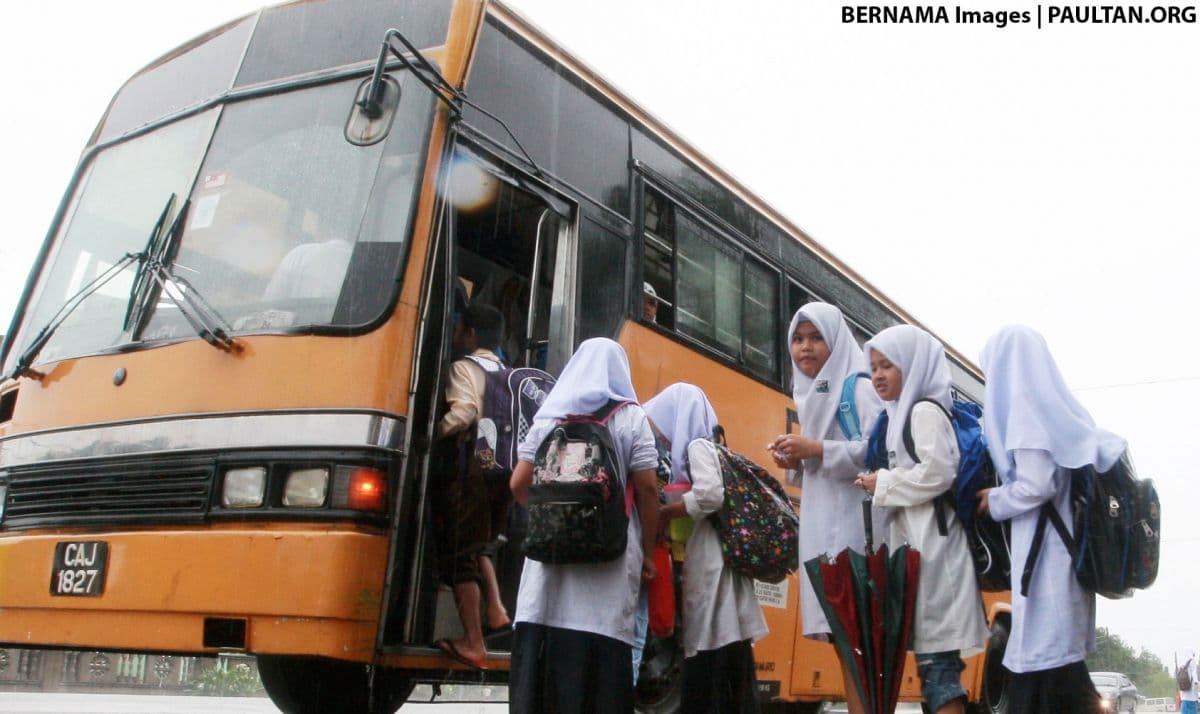
Gov’t Urged to Speed up Issuance of SKPS Fleet Cards to School Bus Operators, Following Delays Since Jan
Why It Matters
Delayed subsidies raise operating costs for school‑bus firms, risking higher fees for families and eroding regulatory oversight of a critical transport sector.
Key Takeaways
- •~1,000 bus operators await SKPS cards after three‑month delay.
- •Operators forced to use personal 200‑litre quota, buying market‑price fuel.
- •Potential fare hikes could burden families amid rising transport costs.
- •School bus fleet fell to ~14,000, down from 16,000 in 2010.
- •Unregistered private vans serve ~100,000 students, charging up to RM400 ($88).
Pulse Analysis
The Subsidised Petrol Control Scheme (SKPS) was introduced to keep school‑bus operating costs low, but bureaucratic bottlenecks have left hundreds of operators without the promised fleet cards. Without the subsidy, drivers must dip into a modest 200‑litre personal quota and purchase the remainder of fuel at prevailing market rates, which have risen sharply in recent months. This cash‑flow strain not only squeezes profit margins but also creates a pressure point for fare adjustments, potentially passing higher costs onto parents already coping with inflation.
Compounding the fuel issue is a steady decline in the registered school‑bus fleet. From a peak of more than 16,000 vehicles in 2010, the number has fallen to roughly 14,000 today, a drop accelerated by the pandemic and aging assets. The shortfall has been filled by an estimated 100,000 unregistered private vans that ferry students across the country. These operators often lack safety inspections and charge up to RM400 ($88) per student, raising concerns about passenger safety, traffic congestion, and uneven competition within the transport market.
Policymakers face a clear choice: streamline the SKPS card issuance process and expand the subsidy to match actual fuel consumption, or risk a wave of fare hikes and a further shift toward informal providers. A formalisation programme—offering registration incentives, fleet‑renewal grants, and stricter oversight—could rejuvenate the aging bus fleet, improve safety standards, and stabilize costs for families. Prompt action would not only protect the education‑transport ecosystem but also reinforce the government’s broader commitment to affordable public services.
Gov’t urged to speed up issuance of SKPS fleet cards to school bus operators, following delays since Jan
Comments
Want to join the conversation?
Loading comments...