GPS Vs. Real-Life Experience: Do Navigation Apps Really Know the Fastest Route?
•February 24, 2026
0
Why It Matters
Accurate routing reduces travel time, fuel consumption, and accident risk, while over‑reliance raises distraction and privacy concerns, influencing both consumer behavior and automotive technology development.
Key Takeaways
- •GPS pinpoints location within a few feet under clear skies
- •Apps weigh historical traffic, road features, and real‑time pings
- •Signal loss occurs near mountains, tunnels, and severe weather
- •Over‑reliance can increase distraction and erode navigation skills
- •Waze, Google, Apple Maps rank top for fastest routes
Pulse Analysis
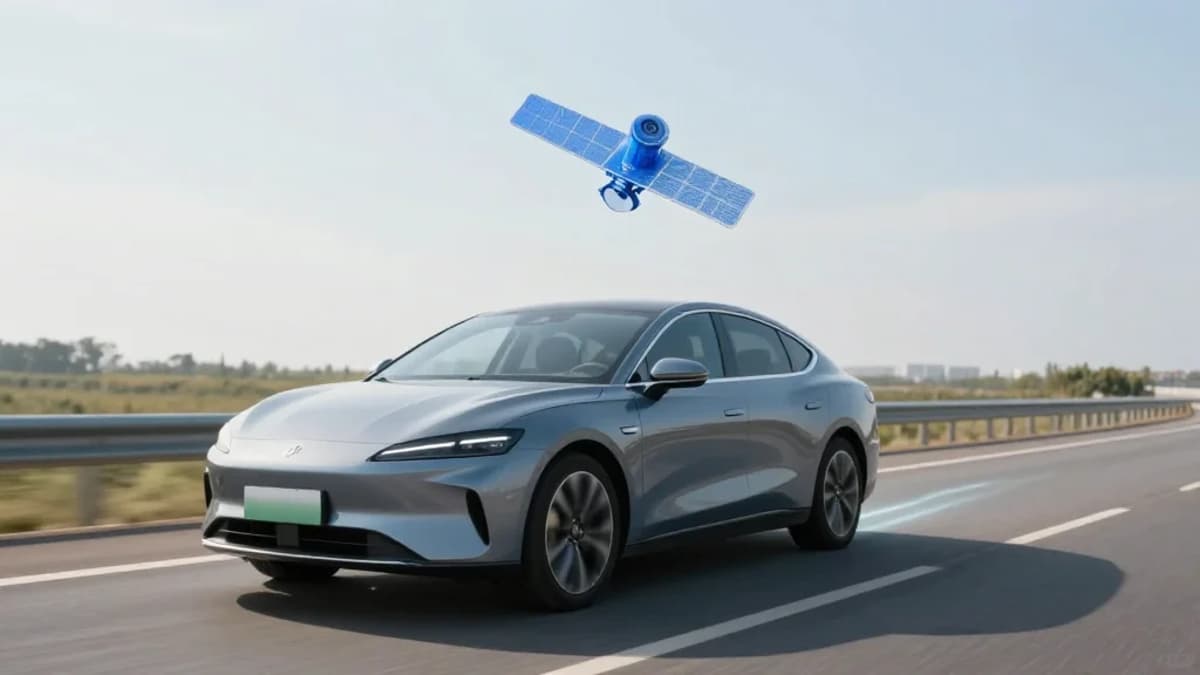
The backbone of modern navigation lies in a constellation of over thirty satellites that broadcast precise timing signals. By measuring the travel time of these signals, a device can triangulate its position to within a few feet, provided the sky is unobstructed. Once the location is fixed, routing engines overlay a digital graph of roads, assigning each edge a weight based on historical travel times, traffic lights, lane counts, and real‑time congestion reports from millions of anonymous users. This blend of deterministic data and crowd‑sourced inputs allows apps to predict travel durations with surprising accuracy under normal conditions.
However, the system’s reliability erodes when the signal path is compromised. Dense urban canyons, deep valleys, tunnels, and heavy foliage can block satellite visibility, forcing the device to fall back on less precise location methods. Extreme weather—heavy rain, snow, or solar storms—introduces additional error, while temporary road changes such as construction or accidents may not be reflected instantly in the map database. These gaps can lead to misdirected turns, longer travel times, and increased driver frustration, especially in rural or poorly mapped regions where the navigation grid itself may be incomplete.
For drivers, the smartest approach is a hybrid one: use the app’s real‑time intelligence as a baseline, but stay alert to local cues and personal experience. Turning off turn‑by‑turn prompts on familiar freeways reduces distraction, while periodically checking alternative routes can uncover shortcuts that the algorithm missed. The industry is responding with AI‑enhanced prediction models, vehicle‑to‑infrastructure (V2X) communication, and higher‑resolution map updates, promising more resilient routing even in challenging environments. Until those advances become universal, treating GPS as a guide—not a command—remains the most prudent strategy.
GPS vs. Real-Life Experience: Do Navigation Apps Really Know the Fastest Route?
0
Comments
Want to join the conversation?
Loading comments...