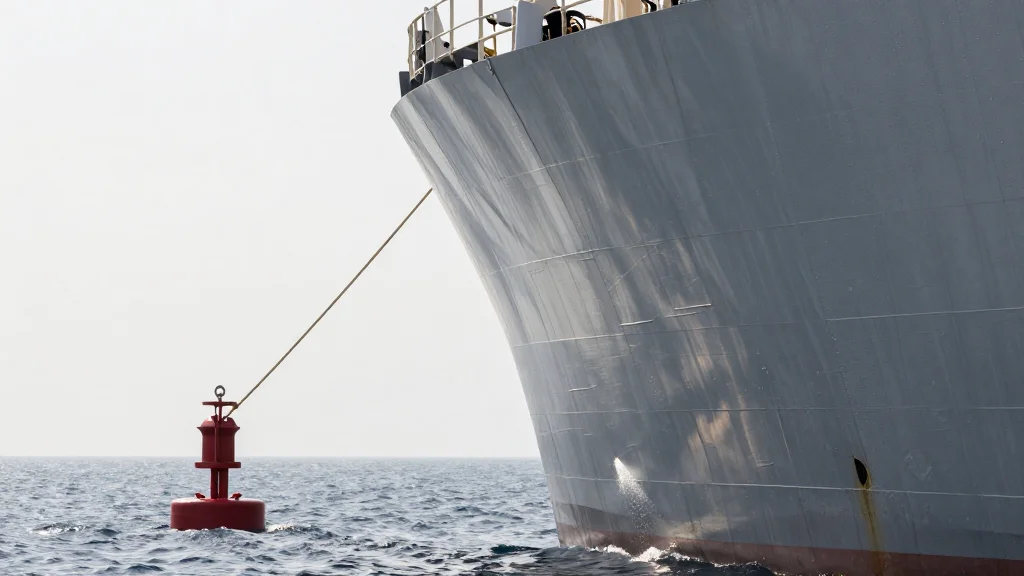
Greek-Operated Tanker Hit by Unknown Assailants Near CPC Terminal
Why It Matters
The strike exposes a critical chokepoint for Kazakh oil exports, potentially disrupting global supply and intensifying energy‑security tensions in the region.
Key Takeaways
- •Maran Homer struck near CPC terminal, minor deck damage
- •Vessel was in ballast, loading Kazakh oil later
- •No pollution; ship departed after incident
- •CPC terminal crucial for Kazakhstan's Tengiz oil exports
- •Ukrainian attacks could delay Tengiz capacity ramp‑up
Pulse Analysis
The Greek‑operated tanker Maran Homer was struck by an unidentified object at 04:35 local time while waiting to load Kazakh crude at the Caspian Pipeline Consortium (CPC) single‑point mooring off Novorossiysk. The impact caused only superficial damage to the deck and equipment, and no oil spill was reported. The vessel, which was in ballast, left the area under its own power shortly after the incident. Although Ukraine has not claimed responsibility, the attack follows a pattern of strikes on Russian‑controlled energy assets in the Black Sea region.
The CPC pipeline and its deep‑water loading terminal are a lifeline for Kazakhstan’s Tengiz field, which supplies roughly 75 percent of the country’s oil exports. With limited alternative routes, the terminal acts as a bottleneck; any disruption can curtail Kazakhstan’s ability to meet global demand. U.S. energy firms Chevron and ExxonMobil own minority stakes in the CPC, linking American commercial interests to the infrastructure. Consequently, Washington has repeatedly warned against attacks that could jeopardize the flow of Kazakh oil, emphasizing the terminal’s strategic relevance to both regional stability and global markets.
The incident underscores how energy infrastructure has become a proxy battlefield in the Russia‑Ukraine war. By targeting vessels and terminals that feed Russian transit revenues, Kyiv aims to erode Moscow’s war‑financing while also pressuring allies reliant on the same routes. For ship owners and insurers, the episode raises premium costs and prompts reconsideration of routing through contested Black Sea waters. Market analysts anticipate that repeated disruptions could tighten crude supplies, nudging spot prices upward and prompting buyers to seek alternative supply chains. Stakeholders will monitor diplomatic channels for de‑escalation measures that safeguard critical oil flows.
Greek-Operated Tanker Hit by Unknown Assailants Near CPC Terminal
Comments
Want to join the conversation?
Loading comments...