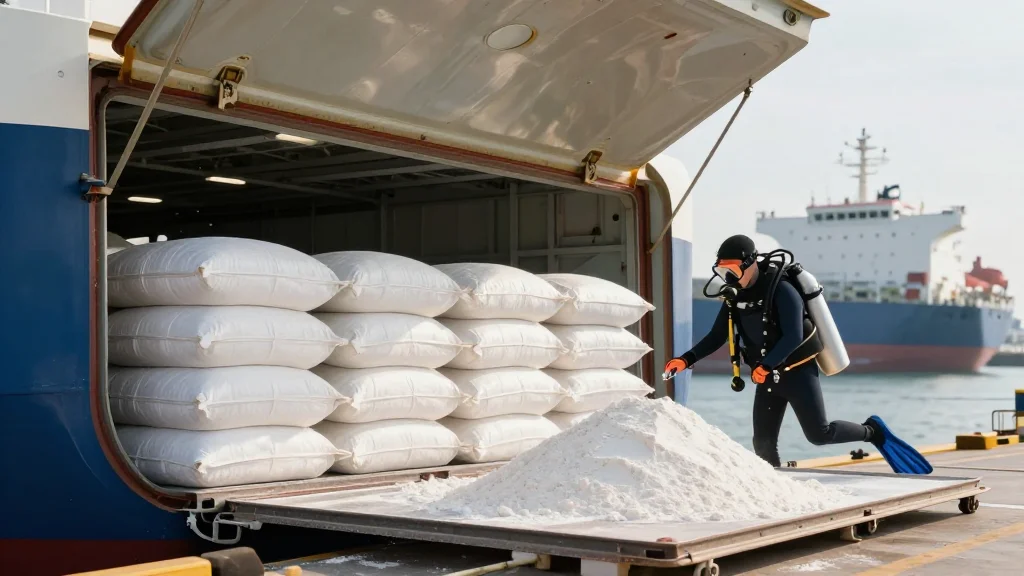
Why It Matters
The seizure underscores how bulk carriers can be exploited for drug trafficking, raising security concerns for global shipping and prompting tighter port inspections.
Key Takeaways
- •340 kg cocaine seized from Greek‑operated bulk carrier
- •Vessel flagged in Liberia, 80,900 dwt, heading to Europe
- •Crew reported suspicious craft, triggering police dive
- •Brazilian port authorities intensified drug interdiction efforts
- •Incident exposes drug‑smuggling risks in maritime logistics
Pulse Analysis
Maritime drug trafficking has increasingly turned to large, low‑profile vessels such as kamsarmax bulk carriers because their size and routine cargo routes make inspections less frequent. The Green K‑Max 1, a Greek‑operated ship flying a Liberian flag, fits this profile, allowing traffickers to conceal sizable shipments—340 kg of cocaine in this case—among legitimate cargo. The use of flags of convenience further complicates jurisdictional oversight, giving smugglers a layer of legal ambiguity that law‑enforcement agencies must navigate.
The incident also illustrates the growing value of crew‑initiated reporting and maritime‑intelligence platforms like Vanguard Tech. By alerting authorities to a suspicious small craft, the crew triggered a targeted dive that uncovered the drugs, demonstrating that human vigilance remains a critical line of defense despite advances in sensor technology. Ports such as Santos are now bolstering inspection protocols, employing specialized divers and expanding risk‑based screening to deter similar attempts. Shipping companies are reassessing internal security measures, including crew training on anomaly detection and tighter cargo sealing procedures.
For the broader shipping industry, the bust signals a potential shift toward more rigorous compliance standards and collaborative enforcement between flag states, port authorities, and international bodies. Regulators may push for mandatory reporting of nearby vessels and enhanced real‑time monitoring to pre‑empt illicit activities. While these measures could increase operational costs, they aim to protect the integrity of global trade routes and safeguard the reputation of maritime carriers against the stigma of drug‑smuggling involvement.
Greek ship embroiled in Brazil cocaine bust
Comments
Want to join the conversation?
Loading comments...