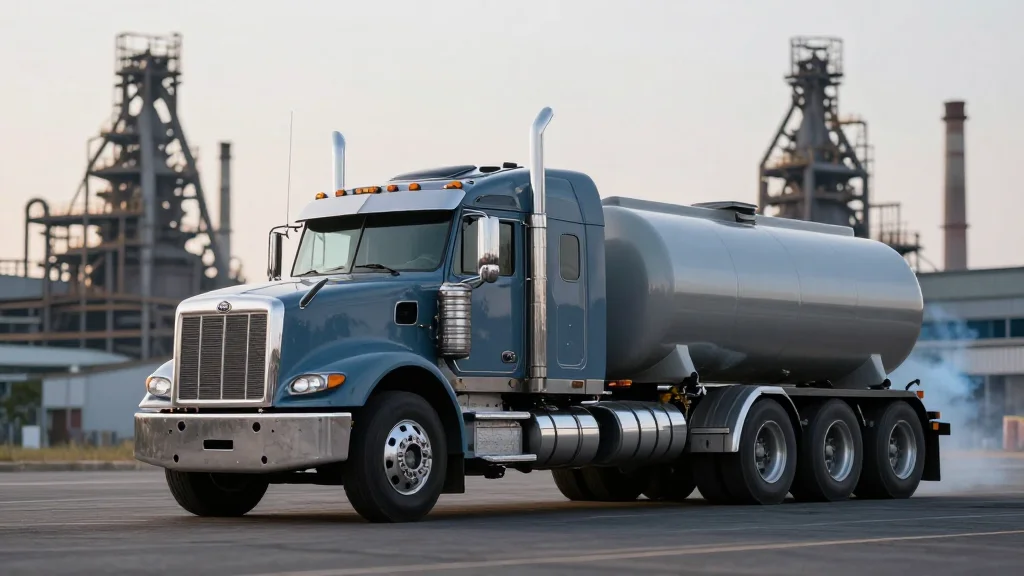
GreenLine Mobility Expands LNG Truck Partnership with Tata Steel to Boost Green Logistics
Companies Mentioned
Why It Matters
The expansion signals a major shift toward low‑carbon freight in India’s heavy‑industry supply chains, reducing diesel dependence and setting a scalable model for greener logistics. It also positions both GreenLine and Tata Steel as leaders in sustainable transportation, influencing peers and policy makers.
Key Takeaways
- •GreenLine adds LNG trucks to Tata Steel’s Odisha plant
- •Fleet already cut 24,000 tonnes CO₂ across 90 million km
- •Goal: 10,000 LNG/EV trucks and 100 refueling stations nationwide
- •LNG trucks achieve up to 40% lower emissions than diesel
- •1,200 km range per fill; 2,400 km with dual tanks
Pulse Analysis
India’s logistics sector is under pressure to curb emissions as freight volumes surge, and LNG is emerging as a pragmatic bridge between diesel and full electrification. Unlike battery‑electric trucks, LNG offers a longer range and faster refuelling, making it suitable for long‑haul routes that dominate steel, cement and mining supply chains. GreenLine Mobility’s focus on building a nationwide infrastructure of 100 LNG stations and battery‑swap hubs reflects a strategic bet on a mixed‑fuel future that balances operational efficiency with environmental goals.
The latest deployment at Tata Steel’s Meramandali facility underscores how industrial giants are leveraging partnerships to accelerate green transitions. By integrating LNG trucks into its internal logistics, Tata Steel can shave up to 40% off CO₂ emissions per kilometre, translating to measurable reductions in its carbon footprint and compliance with tightening regulatory standards. GreenLine’s fleet, already responsible for over 24,000 tonnes of avoided emissions, showcases the scalability of alternative‑fuel solutions when backed by coordinated supply‑chain commitments.
Looking ahead, the push for 10,000 LNG and electric trucks signals a broader industry trend toward diversified clean‑fuel portfolios. While full electrification remains the long‑term objective, the current infrastructure gap and range limitations make LNG a valuable interim solution. Stakeholders—including policymakers, equipment manufacturers, and logistics providers—must collaborate on standards, financing mechanisms, and technology upgrades to ensure that the transition is both economically viable and environmentally robust. GreenLine’s ambitious rollout could serve as a template for other sectors seeking to decarbonize heavy freight without sacrificing reliability.
GreenLine Mobility expands LNG truck partnership with Tata Steel to boost green logistics
Comments
Want to join the conversation?
Loading comments...