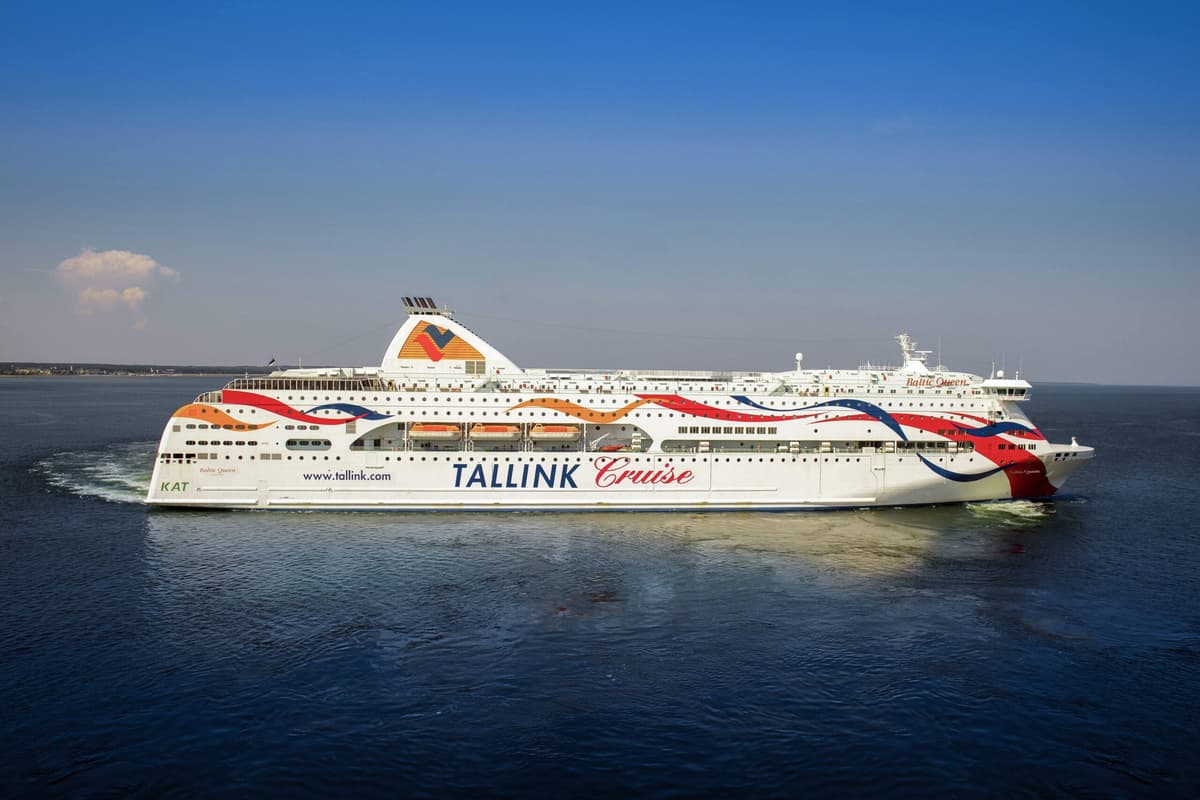
Growth For Estonian Flag Signals Maritime Ambitions of a Nation
Why It Matters
The initiative makes Estonia an attractive hub for modern, eco‑focused shipping, reshaping flag‑state competition in Europe and supporting the EU’s climate agenda. It also showcases how digital governance can lower costs and accelerate maritime innovation.
Key Takeaways
- •Estonia's tonnage tax favors vessels under 10 years, cutting fees
- •Zero income tax for crew reduces seafarer employment costs dramatically
- •Digital ship registration cuts admin time, enabling remote fleet management
- •€25 million ($27 million) grants subsidize 15‑30% retrofit costs for greener ships
Pulse Analysis
Estonia’s maritime strategy leverages its renowned e‑government infrastructure to create a frictionless flag‑state experience. By allowing companies to establish entities through e‑Residency and handling registrations, inspections and certifications on a single online portal, the country eliminates paperwork bottlenecks that plague traditional registries. This digital‑first approach not only speeds up onboarding but also provides real‑time compliance alerts, making the EST Flag especially appealing to tech‑savvy operators seeking transparency and cost efficiency.
The financial incentives are equally compelling. A tonnage tax calculated on net weight, with steep discounts for vessels younger than ten years, reduces annual liabilities for newer ships. Coupled with a zero‑income‑tax regime for seafarers, crew payroll expenses shrink dramatically. Complementing these tax breaks, the 2025 retrofit grant program allocates roughly $27 million to cover 15‑30% of green‑technology upgrades, encouraging medium‑size vessels to adopt hybrid propulsion, renewable fuels and exhaust‑gas cleaning. These measures align ship owners’ profit motives with EU emissions targets, fostering a sustainable upgrade cycle.
Looking ahead, Estonia’s maritime ambitions intersect with broader European priorities. The country’s master plan envisions a maritime cluster that supports offshore wind logistics, positioning Estonian ports as service hubs for renewable energy projects. By tying tax incentives to environmental performance, Estonia sets a template for other EU states seeking to attract modern fleets while meeting climate commitments. The blend of fiscal advantage, digital administration and green funding signals a shift toward a more agile, environmentally responsible flag‑state model that could reshape competitive dynamics across the continent.
Growth For Estonian Flag Signals Maritime Ambitions of a Nation
Comments
Want to join the conversation?
Loading comments...