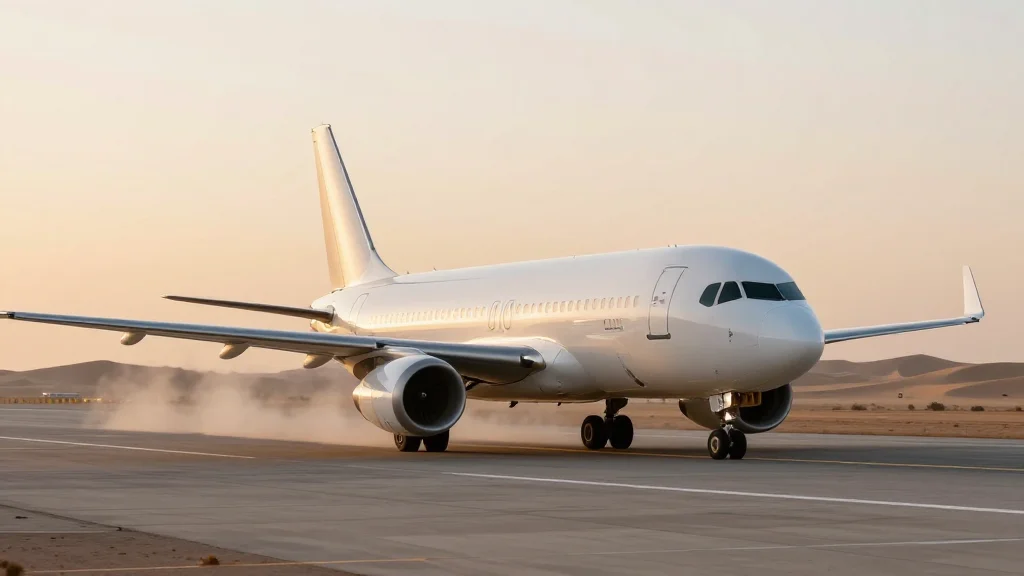
Gulf Airlines Face Long Climb Back After War, Says Former Etihad Chief James Hogan
Companies Mentioned
Why It Matters
The prolonged recovery timeline signals delayed revenue and cash‑flow restoration for the world’s most connected airlines, affecting global travel networks and related tourism economies.
Key Takeaways
- •Gulf carriers cut 5.4 million seats and 18,000 flights during conflict
- •Airspace reroutes raise fuel burn, crew costs, and scheduling complexity
- •Passenger confidence lagging could extend recovery beyond two years
- •Gulf hubs retain geographic edge hard for rivals to replicate
Pulse Analysis
The Middle‑East aviation hub model, built around Dubai, Abu Dhabi and Doha, has been jolted by the recent conflict. By rerouting around restricted airspace, Gulf airlines shed 5.4 million seats and 18,000 flights, inflating fuel consumption and crew expenses while eroding the ultra‑long‑haul profit margins that underpin their premium service proposition. This operational shock reverberates beyond ticket sales, touching airport retail, cargo flows and the broader tourism ecosystem that fuels the region’s diversification plans.
Recovery hinges on three interlocking factors. First, passenger confidence—particularly among corporate travelers and high‑spending tourists—often lags months after hostilities cease, delaying bookings and pressuring yields. Second, restoring optimal routes requires extensive fleet repositioning, crew recertification and slot negotiations, a process that typically spans multiple seasonal schedules. Third, the surrounding hospitality and exhibition sectors must regain momentum, as reduced air traffic directly curtails hotel occupancy and ancillary revenue streams. Historical precedents, from post‑9/11 to the COVID‑19 pandemic, show Gulf carriers can rebound, but each crisis demanded a multi‑year adjustment period.
Looking ahead, the Gulf’s competitive advantage remains intact. Its geographic midpoint between Europe, Asia and Africa, coupled with modern wide‑body fleets and government‑backed airport infrastructure, offers a barrier to entry that rivals cannot quickly replicate. Airlines are now accelerating sustainability initiatives, digital transformation and diversification into non‑passenger revenue to cushion future shocks. Saudi Arabia’s tourism megaprojects and continued UAE airport expansions suggest a long‑term commitment to aviation as an economic engine, reinforcing the sector’s capacity to not only recover but emerge stronger.
Gulf Airlines Face Long Climb Back After War, Says Former Etihad Chief James Hogan
Comments
Want to join the conversation?
Loading comments...