Gulf Airlines Race to Recover as Fragile Stability Returns to Middle East Skies
Companies Mentioned
Why It Matters
The recovery of Gulf airlines underpins the Middle East’s role as a global transit hub, directly affecting international trade, tourism revenue, and airline profitability worldwide.
Key Takeaways
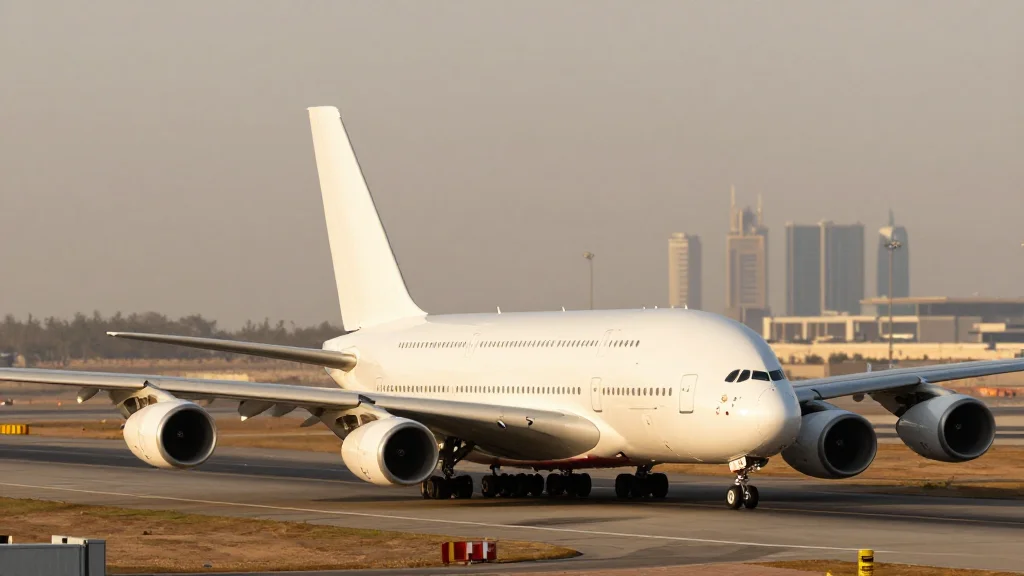
- •Emirates redeploys A380s, betting on premium travel demand
- •Etihad focuses on selective routes and tighter cost control
- •Qatar restores Iraq flights, highlighting strong cargo demand for reconstruction
- •Airspace restrictions add hours to routes, inflating fuel costs regionally
- •Smaller Gulf carriers rebuild modest networks, vulnerable to geopolitical shocks
Pulse Analysis
The Gulf’s aviation revival is a study in divergent strategies. Emirates leverages Dubai’s brand and deep cash reserves to re‑introduce wide‑body capacity, aiming to recapture high‑margin business travelers who value seamless connections. In contrast, Etihad’s cautious rollout reflects its recent restructuring, prioritizing profitability over sheer volume. This split approach reshapes hub competition, forcing rivals to reassess capacity planning and pricing models as the region regains its status as a crossroads between Europe, Asia and Africa.
Re‑opening Iraqi destinations marks a symbolic and economic milestone. Qatar Airways’ decision to restore both passenger and cargo services taps into a robust freight market driven by reconstruction contracts and humanitarian aid. While cargo volumes promise steady revenue, the high‑risk perception of Iraq means insurers and regulators impose higher premiums, keeping operating margins under pressure. Nonetheless, the move signals to investors that Gulf carriers view the market’s long‑term upside as outweighing short‑term volatility.
Beyond route choices, the invisible web of airspace permissions remains a cost driver. Fragmented overflight rights force airlines onto longer trajectories, adding fuel burn that can amount to millions of dollars annually. Smaller carriers, lacking the financial buffers of Emirates or Qatar, feel this strain acutely, limiting their ability to expand. As geopolitical tensions ebb and flow, the region’s airlines must embed flexibility into scheduling and fleet deployment to safeguard growth. The summer season will test whether the revived demand can survive these operational headwinds, determining the durability of the Gulf’s aviation resurgence.
Gulf Airlines Race to Recover as Fragile Stability Returns to Middle East Skies
Comments
Want to join the conversation?
Loading comments...