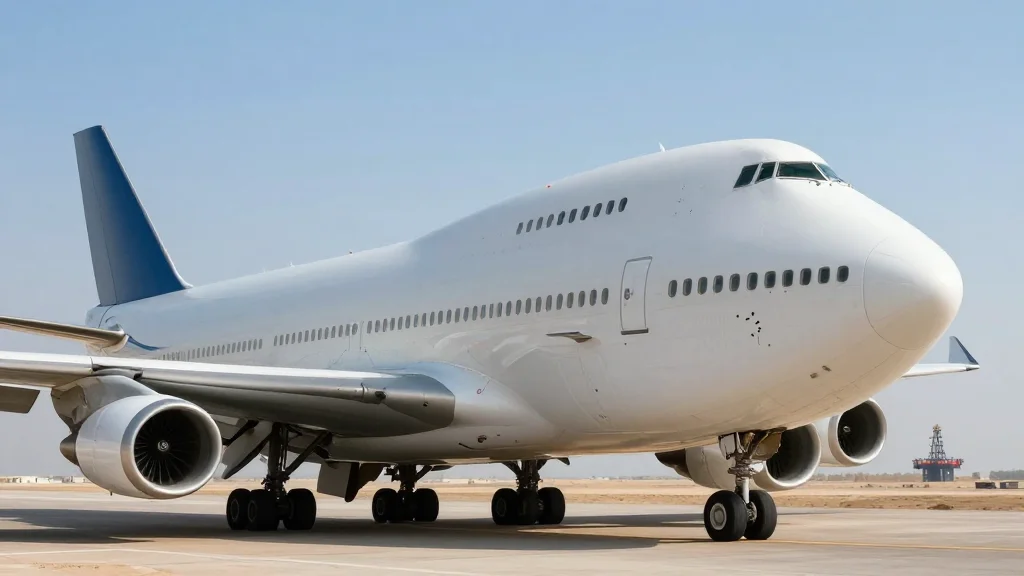
Gulf Conflict Cuts Global Air‑Cargo Volumes by Up to 24% in Q2 2026

Companies Mentioned
Why It Matters
The Gulf crisis illustrates how geopolitical shocks can instantly disrupt global logistics, tightening air‑cargo capacity and inflating costs at a time when supply chains are already strained. With air freight accounting for roughly 35% of high‑value, time‑critical shipments, a 24% plunge in Gulf export volumes reverberates through manufacturers, retailers and e‑commerce platforms that rely on rapid delivery. The sustained capacity squeeze also accelerates a shift toward alternative transport modes, potentially reshaping trade route economics and influencing future investment in aircraft technology. For policymakers, the episode underscores the strategic importance of diversified air‑cargo corridors and the need for contingency planning. Regulators may consider coordinated airspace management frameworks to mitigate the impact of regional conflicts on global trade, while industry players must balance short‑term cost pressures against longer‑term resilience investments.
Key Takeaways
- •Global air‑cargo effective capacity fell 3% YoY MTD in late April 2026.
- •Middle East and Africa export volumes dropped 24% YoY in March 2026.
- •European air‑cargo demand declined 5% YoY in March 2026.
- •Rerouted flights add up to 1,200 nautical miles, raising fuel burn by ~12% per flight.
- •DHL forecasts continued volatility and high operating costs through Q2 2026.
Pulse Analysis
The Gulf crisis has exposed a structural vulnerability in the air‑cargo ecosystem: a heavy reliance on a narrow set of high‑capacity hubs. When those hubs become inaccessible, the network’s elasticity is limited, forcing carriers into longer, less efficient routes. Historically, similar disruptions—such as the 2020 pandemic‑induced capacity crunch—prompted a wave of fleet upgrades and a surge in demand for next‑generation freighters. This time, however, the driver is geopolitical rather than health‑related, meaning the recovery timeline is tied to diplomatic outcomes rather than predictable market cycles.
In the short term, shippers are likely to absorb higher freight rates, which could compress margins for retailers and manufacturers already grappling with inflationary pressures. Some may accelerate the shift toward sea‑air intermodal solutions, leveraging longer ocean legs to offset air‑capacity shortfalls. This modal shift could benefit ports and rail operators, potentially rebalancing the logistics market share among transport modes.
Long‑term, the crisis may catalyze a strategic re‑evaluation of hub locations. Airlines could diversify their network footprints, investing in secondary airports outside the immediate conflict zone to preserve route continuity. Moreover, the heightened fuel cost environment may accelerate the adoption of sustainable aviation fuels and more efficient aircraft, as carriers seek to mitigate the financial impact of longer routes. Stakeholders that can quickly adapt—through flexible routing, technology‑enabled visibility, and diversified transport portfolios—will be best positioned to weather the ongoing turbulence.
Gulf Conflict Cuts Global Air‑Cargo Volumes by Up to 24% in Q2 2026
Comments
Want to join the conversation?
Loading comments...