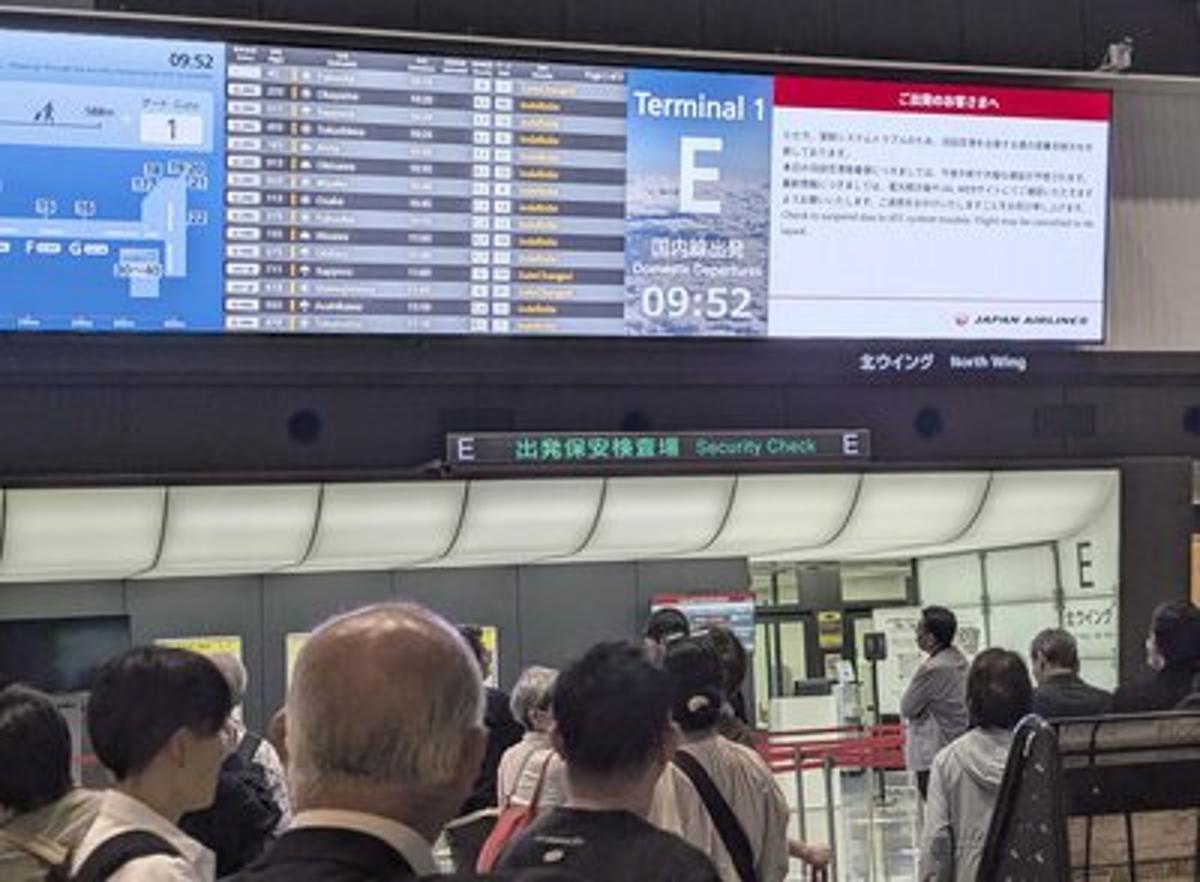
Haneda Airport Experiences Traffic Control Glitch, Flights Disrupted
Why It Matters
The incident underscores the operational risk of centralized air‑traffic data hubs, prompting airlines and regulators to reassess system redundancy and resilience. Prolonged disruptions can erode passenger confidence and strain airline schedules, impacting revenue and market perception.
Key Takeaways
- •Haneda departures halted 15 minutes, then delayed after backup activation
- •ANA canceled 30 domestic flights; JAL canceled 178, affecting 32,000 passengers
- •Glitch traced to Fukuoka ATC center, detected by Kobe hub
- •No evidence of cyber‑attack; ministry investigating root cause
- •Disruption highlights vulnerability of centralized air‑traffic data systems
Pulse Analysis
The April 21 glitch at Haneda airport revealed how a single point of failure in Japan's air‑traffic‑control network can cascade into widespread flight disruptions. While the outage lasted only minutes, the ripple effect was felt by tens of thousands of travelers, with major carriers ANA and JAL forced to cancel dozens of flights. The incident originated at the Fukuoka control center, a regional hub that aggregates nationwide flight data, and was first flagged by the Kobe monitoring station. This architecture, designed for efficiency, proved vulnerable when the central hub malfunctioned, highlighting the delicate balance between streamlined operations and system resilience.
Industry analysts view the event as a catalyst for re‑examining redundancy protocols across global aviation. Airlines increasingly rely on real‑time data feeds for scheduling, crew management, and passenger communications; any interruption can trigger cascading delays and financial losses. The swift activation of a backup system mitigated a longer shutdown, yet the lingering delays suggest that existing contingency measures may need bolstering. Regulators may push for diversified data pathways, mandating multiple independent feeds to ensure continuity, especially at high‑traffic airports like Haneda that handle over 80 million passengers annually.
Looking ahead, Japanese authorities are likely to commission a thorough technical audit and consider upgrades to the ATC infrastructure, incorporating advanced fault‑tolerant designs and enhanced cybersecurity safeguards. For airlines, the episode reinforces the importance of dynamic passenger re‑booking tools and transparent communication strategies to preserve brand trust. As air travel rebounds post‑pandemic, ensuring robust, multi‑layered control systems will be essential to prevent similar disruptions and maintain the smooth flow of global aviation traffic.
Haneda airport experiences traffic control glitch, flights disrupted
Comments
Want to join the conversation?
Loading comments...