Hapag-Lloyd, MSC to Use Feeders to Restore Upper Persian Gulf Cargo Links
Companies Mentioned
Why It Matters
Restoring Gulf links safeguards supply chains for oil‑rich markets and demonstrates how carriers can mitigate geopolitical disruptions through feeder and land‑bridge strategies.
Key Takeaways
- •Hapag-Lloyd and MSC restart upper Gulf services via feeders
- •Feeder routes bypass closed Strait of Hormuz with land‑bridge links
- •Services cover Sharjah, Kuwait, Saudi Arabia, Qatar, Iraq ports
- •Third‑party vessels enable rapid reinstatement of cargo flows
- •Early March closures had halted most Gulf container traffic
Pulse Analysis
The escalation of hostilities in the Middle East in March 2026 forced the closure of the Strait of Hormuz, one of the world’s most critical chokepoints for oil and container traffic. With the narrow waterway effectively a no‑go zone, shippers faced steep surcharges, longer transit times, and the risk of cargo being stranded. The disruption rippled through the supply chain, especially for the upper Persian Gulf economies that rely on timely imports of consumer goods, machinery and raw materials. Industry analysts warned that prolonged blockage could force a re‑routing of global trade flows, increasing costs across the board.
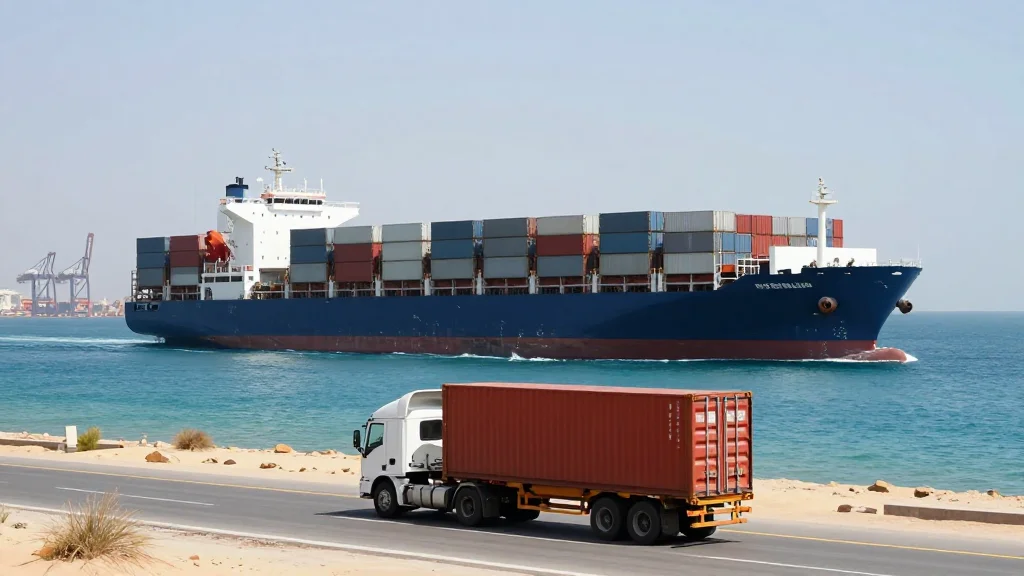
In response, Hapag‑Lloyd and MSC have turned to third‑party feeder vessels operating out of Sharjah, coupling them with overland connections that skirt the Hormuz corridor. These feeders, typically 1,000‑ to 2,000‑TEU ships, shuttle containers to Kuwait, Saudi Arabia, Qatar and Iraq, where they are transferred onto trucks or rail for final delivery. The land‑bridge component leverages existing highway infrastructure, shaving days off the journey while avoiding the maritime risk. By deploying existing feeder fleets rather than commissioning new deep‑sea ships, the carriers can react quickly and keep freight rates from spiralling.
The launch of these feeder services sends a clear market signal: major liners are willing to invest in flexible, multimodal solutions when geopolitical risk spikes. Competitors are likely to follow, potentially sparking a broader shift toward regional feeder hubs that can absorb shocks from chokepoint closures. For exporters and importers in the Gulf, the restored links mean more predictable lead times and a partial return to pre‑conflict pricing. In the longer term, the episode may accelerate discussions on alternative routes, such as the development of overland corridors through the Arabian Peninsula, to hedge against future maritime disruptions.
Hapag-Lloyd, MSC to use feeders to restore upper Persian Gulf cargo links
Comments
Want to join the conversation?
Loading comments...