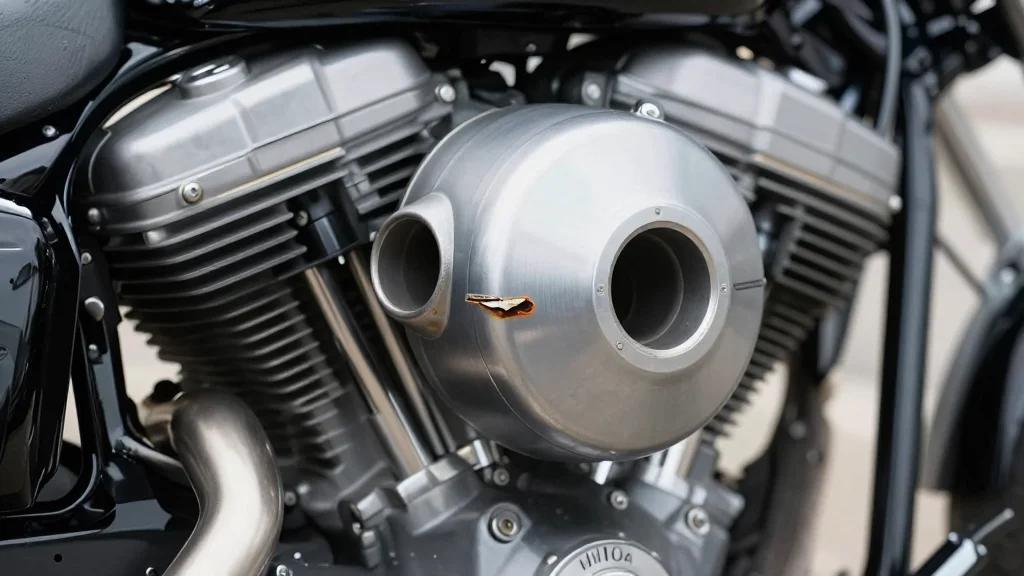
Harley-Davidson Is Recalling 88,000 Motorcycles over a Blocked Engine Air Vent
Companies Mentioned
Why It Matters
The defect poses a risk of engine damage or failure, prompting costly repairs and potentially harming Harley‑Davidson’s brand reputation and profit margins.
Key Takeaways
- •Recall covers 88,039 U.S. motorcycles from 2025‑2026 model years
- •Blocked breather port can cause excess crankcase pressure
- •NHTSA issued recall after safety investigation
- •Harley previously recalled 17,000 Softail bikes for brake line issue
- •Repair costs may pressure Harley’s quarterly earnings
Pulse Analysis
The latest Harley‑Davidson recall underscores how a single component failure can trigger a cascade of safety and financial concerns for a legacy brand. A blocked breather port in the air‑box backplate allows pressure to accumulate in the crankcase, a condition that can lead to oil leaks, reduced engine performance, or catastrophic failure. Regulators such as the NHTSA act swiftly when a defect threatens rider safety, mandating inspections and repairs that manufacturers must fund, often at scale. For Harley‑Davidson, the 88,039‑bike recall adds to a string of recent quality issues, stretching its warranty and service networks.
Harley‑Davidson’s recall cadence this spring reflects broader operational pressures. The April Softail recall, involving 17,000 motorcycles with a rear‑brake line that could erode and cause fluid loss, already strained dealer resources and raised questions about the company’s new platform engineering. Combined with the current air‑box issue, the cumulative repair bill could dent quarterly earnings, especially as the firm navigates a transition toward electric models and a younger consumer base. Analysts will watch how the company balances immediate remediation costs with longer‑term investments in product reliability and brand revitalization.
Industry‑wide, the Harley recalls highlight the heightened scrutiny on vehicle safety in an era of tighter emissions standards and advanced electronics. Manufacturers are increasingly required to integrate robust quality‑control checkpoints, from design validation to supply‑chain audits, to avoid costly field actions. For consumers, frequent recalls may erode confidence in legacy marques, prompting a shift toward brands with transparent safety records. Harley‑Davidson’s response—prompt public communication, free repairs, and a pledge to improve engineering oversight—will be pivotal in preserving its market share and sustaining dealer loyalty amid a competitive motorcycle landscape.
Harley-Davidson is recalling 88,000 motorcycles over a blocked engine air vent
Comments
Want to join the conversation?
Loading comments...