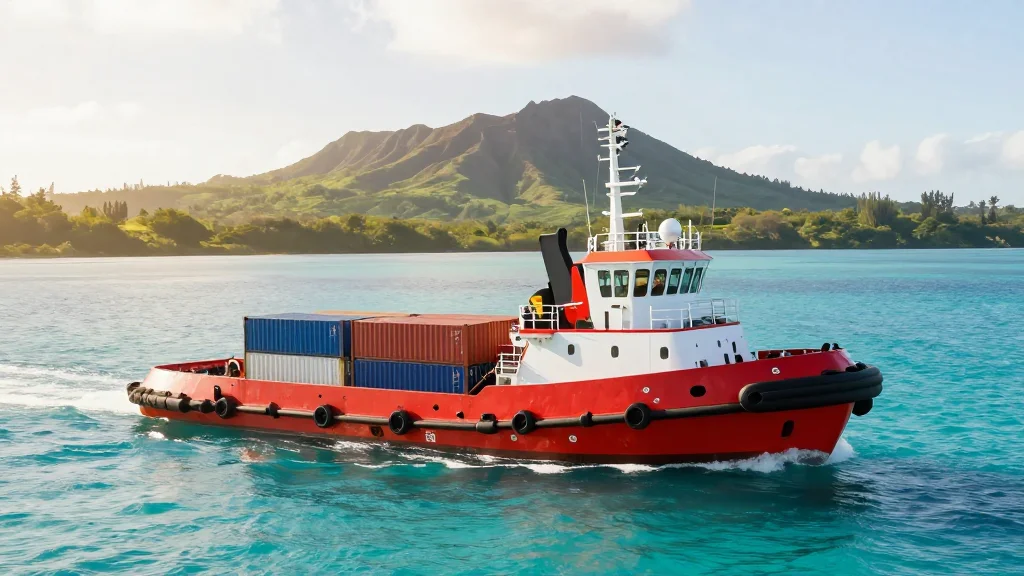
Hawaii Passes Bill to Allow Automatic 5% Rate Hikes for Young Brothers

Companies Mentioned
Why It Matters
The interisland freight market is a critical component of Hawaii’s supply chain, affecting the cost of everyday goods for residents and the operating margins of businesses that rely on timely deliveries. By institutionalizing inflation‑linked rate adjustments, the state could create a more predictable cost environment, potentially encouraging investment in newer, more efficient vessels and reducing the frequency of emergency rate spikes that strain both the carrier and consumers. However, the policy also raises questions about consumer protection and market efficiency. Automatic escalations may diminish incentives for Young Brothers to control costs, potentially passing on inefficiencies to ratepayers. The balance between ensuring a financially viable carrier and safeguarding affordable freight rates will shape Hawaii’s transportation landscape for years to come.
Key Takeaways
- •Hawaii Senate Bill 2694 mandates up to 5% inflation‑linked rate hikes for Young Brothers for FY 2026‑27.
- •The bill follows a 26% rate increase approved by the PUC in November after a contentious case.
- •Young Brothers cited a widening cost‑rate gap; associate counsel David Veltri highlighted the issue in testimony.
- •Consumer advocate Michael Angelo warned the automatic clause could reduce efficiency incentives.
- •If signed, the first automatic increase begins July 1, 2026; a PUC review is required for FY 2028.
Pulse Analysis
The passage of Senate Bill 2694 reflects a broader trend of regulators seeking formula‑based pricing mechanisms to reduce litigation costs and provide market certainty. In Hawaii’s isolated geography, the interisland freight carrier operates as a natural monopoly, giving the PUC significant leverage over price setting. By shifting to an inflation‑indexed model, the state aims to smooth out the volatility that has historically prompted large, ad‑hoc hikes—most notably the 46% emergency increase in 2020 that sparked public outcry.
From a financial perspective, the automatic adjustments could improve Young Brothers’ cash flow, allowing it to service debt and fund fleet modernization without resorting to emergency rate requests. This aligns with Saltchuk’s broader strategy of strengthening its subsidiary’s balance sheet, especially after the $3 million cost of the previous PUC proceeding. Yet, the policy’s success hinges on Young Brothers’ ability to translate the predictable revenue stream into operational efficiencies. If the carrier fails to curb costs, the automatic escalations could simply pass higher expenses onto consumers, eroding public trust.
Politically, the bill’s bipartisan support underscores the urgency lawmakers feel about stabilizing the supply chain amid rising living costs. However, consumer groups remain vigilant, and the mandatory PUC review for the 2028 fiscal year offers a built‑in check that could recalibrate the approach if inflation outpaces expectations or if the carrier’s performance does not improve. The outcome will likely influence how other states regulate essential monopoly services, balancing the need for financial viability with consumer protection.
Hawaii Passes Bill to Allow Automatic 5% Rate Hikes for Young Brothers
Comments
Want to join the conversation?
Loading comments...