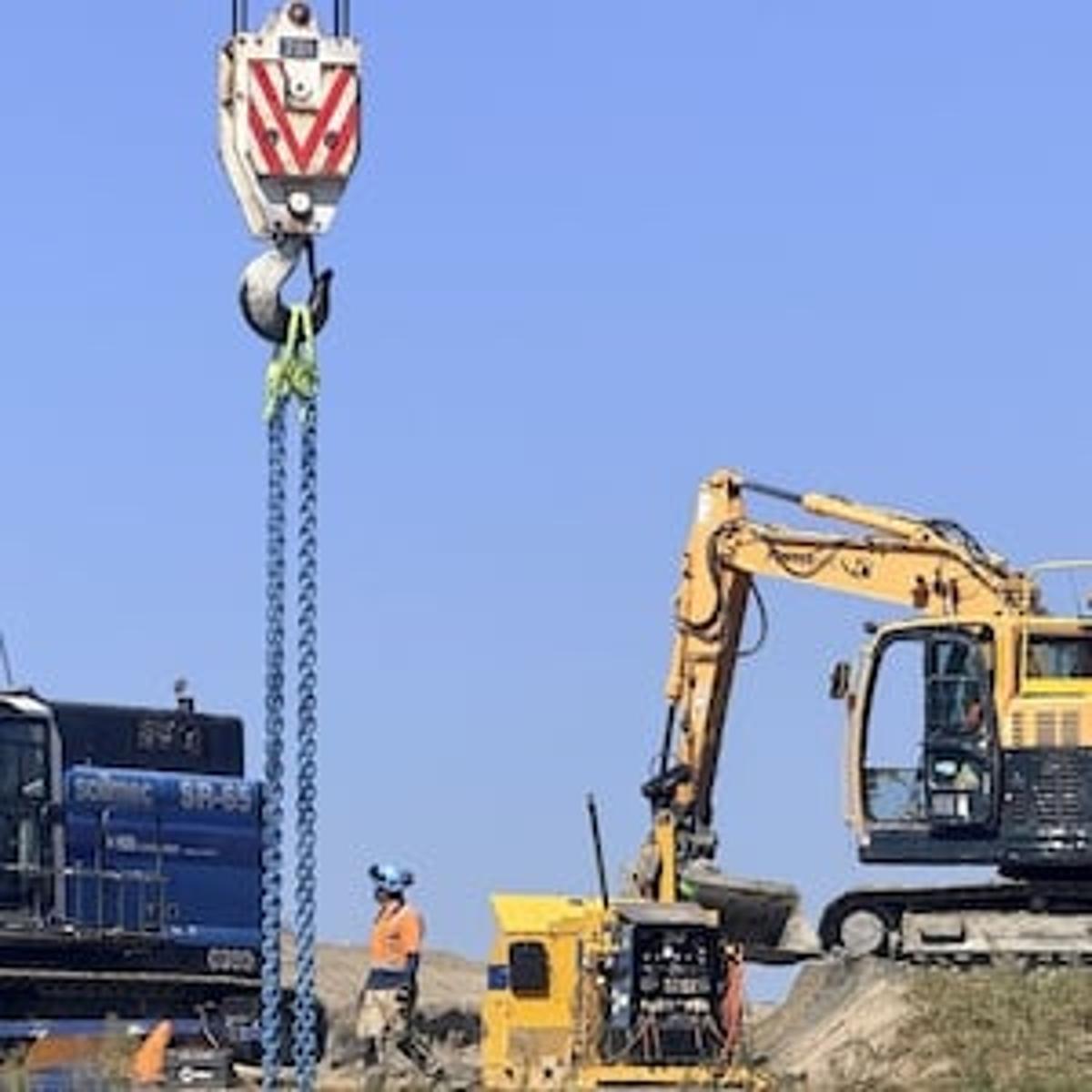
Hawkes Bay Expressway Four-Lane Upgrade Right on Track, with a Little Help From the Cyclone Silt
Why It Matters
The upgrade will relieve chronic congestion, supporting Hawke’s Bay’s growing population and economic activity, while the innovative reuse of cyclone silt demonstrates cost‑effective, environmentally conscious infrastructure practices.
Key Takeaways
- •7 km upgrade adds duplicate bridges and new interchange
- •Project cost $600 million NZD (~$360 million USD)
- •Cyclone Gabrielle silt repurposed for embankment savings
- •29,000 vehicles use expressway daily; congestion expected to ease
- •Completion slated for 2029, with superstructure due March 2027
Pulse Analysis
The Hawke’s Bay Expressway upgrade illustrates New Zealand’s broader push to modernise critical transport corridors under the Roads of National Significance initiative. With the region’s population projected to grow by 15% over the next decade, the four‑lane expansion addresses a daily traffic load of roughly 29,000 vehicles, a figure that routinely pushes the existing two‑lane road to capacity during peak periods. By duplicating key bridges and installing a grade‑separated interchange, the project aims to cut travel times, improve safety, and bolster the logistics backbone that underpins the local agribusiness and tourism sectors.
A standout feature of the construction strategy is the creative reuse of silt deposited by Cyclone Gabrielle earlier this year. After rigorous screening to remove debris, the silt was layered as fill material for embankments, delivering measurable cost savings and reducing the need for new quarry extraction. This approach not only trims the project’s budget—estimated at $600 million NZD (about $360 million USD)—but also aligns with New Zealand’s sustainability goals by turning a disaster by‑product into a valuable resource. The practice showcases how resilient infrastructure can emerge from climate‑related challenges, offering a template for future projects facing similar material constraints.
Looking ahead, the expressway’s completion in 2029 is expected to unlock economic benefits that extend beyond reduced congestion. Faster, more reliable freight routes will enhance supply‑chain efficiency for regional exporters, while smoother commuter flows can attract new businesses and residential development. The phased timeline, with the bridge superstructure slated for March 2027, demonstrates disciplined project management despite rising fuel and diesel costs. As the nation grapples with infrastructure funding pressures, the Hawke’s Bay upgrade serves as a case study in delivering large‑scale public works on schedule, on budget, and with an eye toward environmental stewardship.
Hawkes Bay expressway four-lane upgrade right on track, with a little help from the cyclone silt
Comments
Want to join the conversation?
Loading comments...