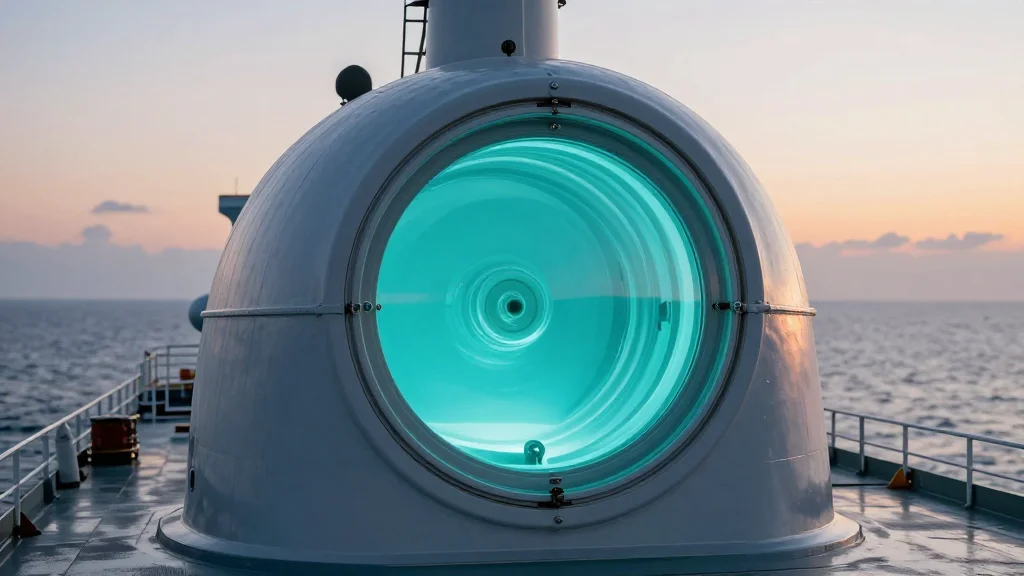
HD Hyundai Takes Nuclear Ship Ambitions Into Car Carrier Sector
Companies Mentioned
Why It Matters
The initiative could accelerate decarbonisation of the fast‑growing car carrier segment and give HD Hyundai a competitive edge in eco‑friendly shipbuilding, while showcasing nuclear propulsion’s commercial viability.
Key Takeaways
- •HD Hyundai approved SMR‑powered car carrier concept by Lloyd’s Register.
- •Molten‑salt reactor offers zero‑emission propulsion for large PCTCs.
- •Global car carrier market projected $4.5 bn by 2030, 3.8% CAGR.
- •Regulatory, safety, and insurance hurdles remain for nuclear‑powered ships.
Pulse Analysis
Small modular reactors have moved from land‑based power plants to the maritime sector, promising compact size, high thermal efficiency, and inherent safety features. HD Hyundai, a heavyweight in South Korean shipbuilding, previously demonstrated SMR propulsion on container vessels and is now extending the technology to pure car and truck carriers (PCTCs). The conceptual design, cleared in principle by Lloyd’s Register, couples a molten‑salt reactor—a type of SMR that uses liquid fuel and coolant—with the vessel’s propulsion system. Hyundai Glovis contributes operational expertise, while the Korea Atomic Energy Research Institute validates the nuclear component, underscoring a collaborative push toward carbon‑free shipping.
The global car carrier market, valued at roughly $4.5 bn for 2030, is expanding at a 3.8 % annual rate driven by rising vehicle exports and the surge in electric‑vehicle shipments that demand specialized handling. An SMR‑driven PCTC can operate for months without refueling, eliminating CO₂ emissions and reducing fuel costs compared with conventional diesel engines. This aligns with stricter environmental regulations and ship owners’ growing appetite for green credentials, positioning HD Hyundai to capture a niche in eco‑friendly logistics as automakers shift toward greener supply chains.
Despite the promise, nuclear‑propelled commercial vessels face significant barriers. The European Maritime Safety Agency highlights unresolved issues in reactor production, crew training, liability frameworks, and insurance underwriting. Port authorities and coastal states also impose stringent security and emergency‑response requirements that could limit routing options. HD Hyundai’s roadmap will need to address these regulatory gaps, secure insurance solutions, and demonstrate robust safety records before the technology can achieve commercial scale. If successful, the move could set a precedent for broader adoption of SMR propulsion across other bulk‑carrier segments.
HD Hyundai takes nuclear ship ambitions into car carrier sector
Comments
Want to join the conversation?
Loading comments...