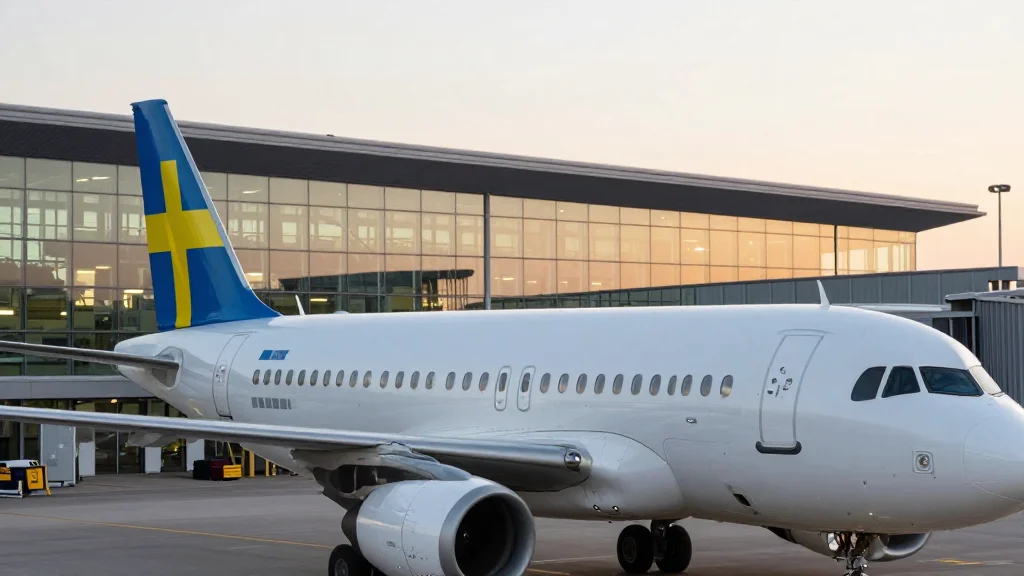
Healthy Traffic Rise Across Sweden’s Airports in May
Why It Matters
The traffic rebound signals robust demand for both international and domestic travel in Sweden, reinforcing the country’s position as a key Northern European aviation hub. Strong passenger growth supports airline revenue recovery and underpins tourism‑related economic activity.
Key Takeaways
- •Swedavia airports handled over 3.1 million passengers in May, up 3% YoY
- •International travel rose ~3%, domestic travel grew ~2% across the network
- •Stockholm Arlanda saw 2.2 M passengers (+2%); Göteborg up 4% despite domestic dip
- •Visby Airport posted a 26% jump, the strongest growth among Swedavia sites
Pulse Analysis
Swedish air travel continues its post‑pandemic resurgence, with Swedavia reporting a 3% year‑over‑year rise in passenger numbers for May. The operator’s network of ten airports handled more than 3.1 million travelers, reflecting renewed confidence among both leisure and business flyers. This uptick aligns with broader European trends where demand for cross‑border trips is recovering faster than domestic journeys, driven by easing travel restrictions and competitive fare structures.
The May data reveal nuanced regional dynamics. Stockholm Arlanda, the nation’s busiest gateway, logged 2.2 million passengers, modestly up 2%, while Göteborg Landvetter posted a 4% increase, buoyed by a 6% surge in international flights that offset a 10% dip in domestic traffic. Smaller airports such as Visby and Malmö outperformed expectations, with Visby’s passenger count jumping 26% and Malmö’s rising 11%, primarily on the back of stronger international demand. Even amid geopolitical tensions in the Middle East, which have tempered some routes, Swedavia’s overall growth suggests that the market is resilient and that travelers are prioritizing European destinations.
For airlines and tourism stakeholders, the figures underscore a fertile environment for capacity expansion and ancillary revenue opportunities. Higher passenger volumes can justify the re‑introduction of previously suspended routes and support the rollout of premium services. Moreover, the positive momentum may attract further investment in airport infrastructure, enhancing Sweden’s competitiveness as a logistics hub. Monitoring the balance between international and domestic growth will be crucial as the industry navigates lingering supply‑chain constraints and evolving consumer preferences.
Healthy traffic rise across Sweden’s airports in May
Comments
Want to join the conversation?
Loading comments...