Heathrow Airport Chaos: 15 Middle East Jets Grounded As Airspace Remains Shut
•March 2, 2026
0
Why It Matters
The grounding inflates operating costs for airlines and Heathrow, while delaying passenger itineraries and extending the regional aviation recovery timeline.
Key Takeaways
- •15 Gulf carriers' jets stranded at Heathrow
- •Emirates and Etihad each have three grounded aircraft
- •Qatar Airways leads with six aircraft on the tarmac
- •Parking fees and crew displacement raise operational costs
- •Recovery depends on Middle East airspace reopening timeline
Pulse Analysis
The protracted closure of Middle Eastern airspace, triggered by regional conflict, has created a cascading effect across global aviation networks. Airlines that rely heavily on routes to and from the Gulf are forced to divert or park aircraft at alternate hubs, inflating operational complexity. Grounded frames not only sit idle but also tie up crew, maintenance resources, and spare parts, extending the recovery horizon for carriers already grappling with reduced demand and heightened cost pressures.
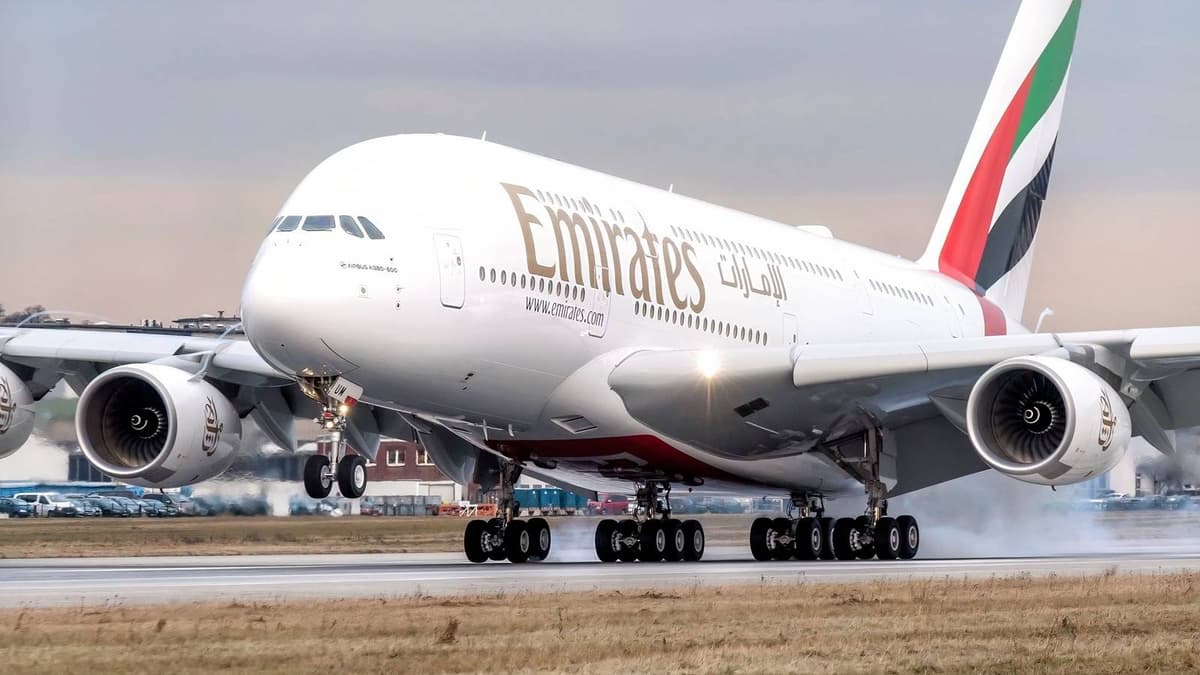
Heathrow, as the primary European gateway for Gulf carriers, now hosts an unprecedented concentration of large aircraft, including several Airbus A380s that normally spend only minutes on the ground. According to Flightradar24 data, Emirates and Etihad each have three jets, while Qatar Airways has six, collectively occupying valuable gate slots and parking stands. The airport’s parking charges for wide‑body aircraft are substantial, and the presence of these planes limits capacity for scheduled services, potentially prompting further delays and cancellations for other airlines operating at the congested hub.
Financially, the stranded aircraft translate into multi‑million‑pound expenses for airlines, encompassing parking fees, crew accommodation, and lost revenue from postponed flights. The uncertainty surrounding airspace reopening means carriers must keep contingency plans active, such as re‑routing via alternate hubs or adjusting fleet deployment. Industry observers view this situation as a stress test for airline resilience, highlighting the need for diversified route structures and more flexible operational strategies to mitigate future geopolitical disruptions.
Heathrow Airport Chaos: 15 Middle East Jets Grounded As Airspace Remains Shut
0
Comments
Want to join the conversation?
Loading comments...