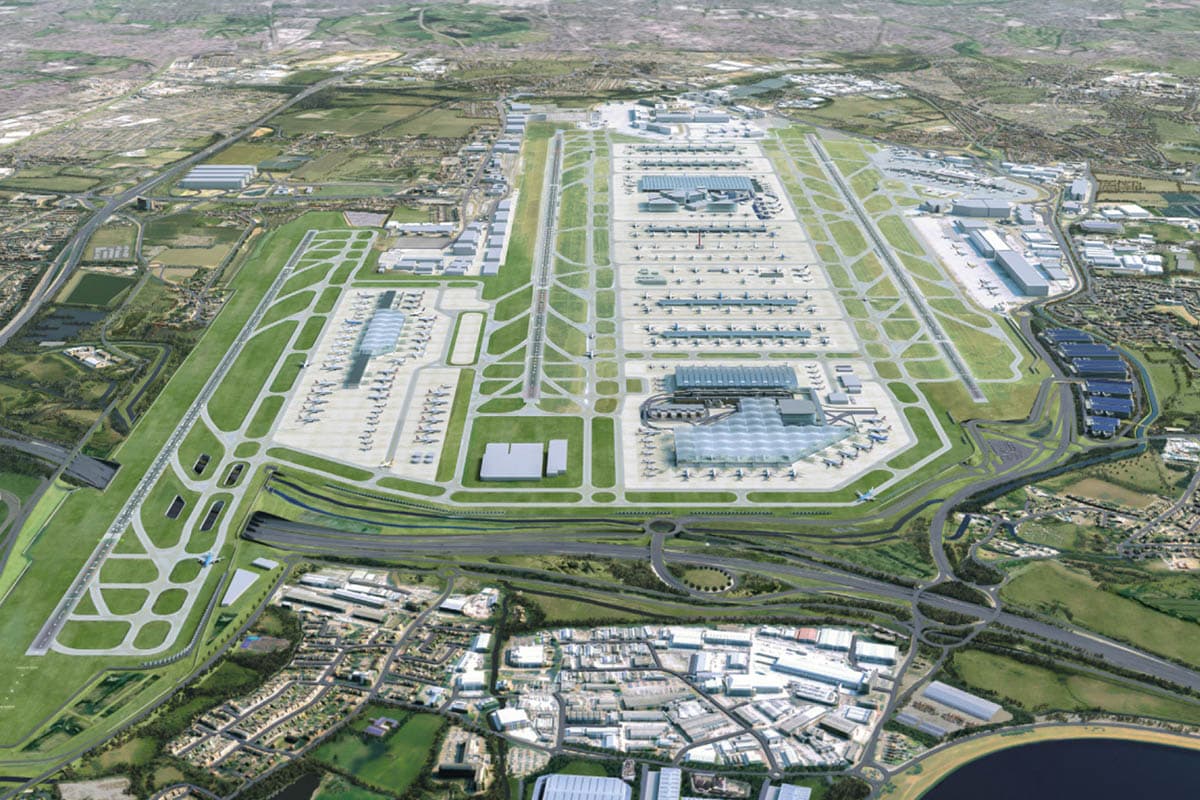
Heathrow and Airlines Falling Out (Again) as Fares Rise to Cover Third Runway Planning Costs
Companies Mentioned
Why It Matters
Shifting runway financing onto airlines and passengers could reshape fare structures, pressure airline margins, and set a precedent for how major UK airports fund expansion projects.
Key Takeaways
- •CAA draft allows Heathrow to recover £320 million (≈$410 m) via fees.
- •BA and Virgin Atlantic reject cost recovery before Development Consent Order approval.
- •Tunnel refurbishment overspend: £21 m budget became £342 m (≈$435 m).
- •Proposed five‑year passenger charge cap averages £28.80 (~$37) per traveler.
- •Airlines push to split Heathrow into multiple terminal operators like JFK.
Pulse Analysis
Heathrow’s third‑runway saga has moved from a planning debate to a financial flashpoint. By allowing the airport to reclaim £320 million of early‑stage costs through a modest ticket surcharge, the CAA is effectively transferring a sizable portion of the expansion’s financial risk to airlines and, ultimately, passengers. This approach mirrors a broader trend where airport operators seek stable revenue streams ahead of capital‑intensive projects, but it also raises concerns about fare inflation and competitive parity, especially for carriers already grappling with thin margins.
Airlines such as British Airways and Virgin Atlantic have pushed back, citing an unfair risk‑reward imbalance. They argue that cost recovery should be contingent on the issuance of a Development Consent Order, which would confirm the runway’s viability and mitigate regulatory uncertainty. Their stance aligns with a growing chorus calling for Heathrow’s governance to be restructured—potentially splitting the airport into separate terminal operators, a model that has delivered greater transparency and competition at New York’s JFK. This regulatory reform could dilute Heathrow’s monopoly power and create a more level playing field for carriers.
The broader implications extend beyond Heathrow. The tunnel refurbishment overruns—spending soaring from £21 million to £342 million—highlight the challenges of managing large‑scale infrastructure budgets. If unchecked, such cost escalations could set a precedent for future projects, prompting policymakers to reconsider funding mechanisms and oversight. For passengers, the proposed five‑year charge cap of £28.80 (≈$37) per journey suggests modest fee growth, yet the cumulative effect of multiple surcharges may erode price competitiveness. Stakeholders will watch closely as the CAA balances expansion ambitions with industry sustainability and consumer protection.
Heathrow and airlines falling out (again) as fares rise to cover third runway planning costs
Comments
Want to join the conversation?
Loading comments...