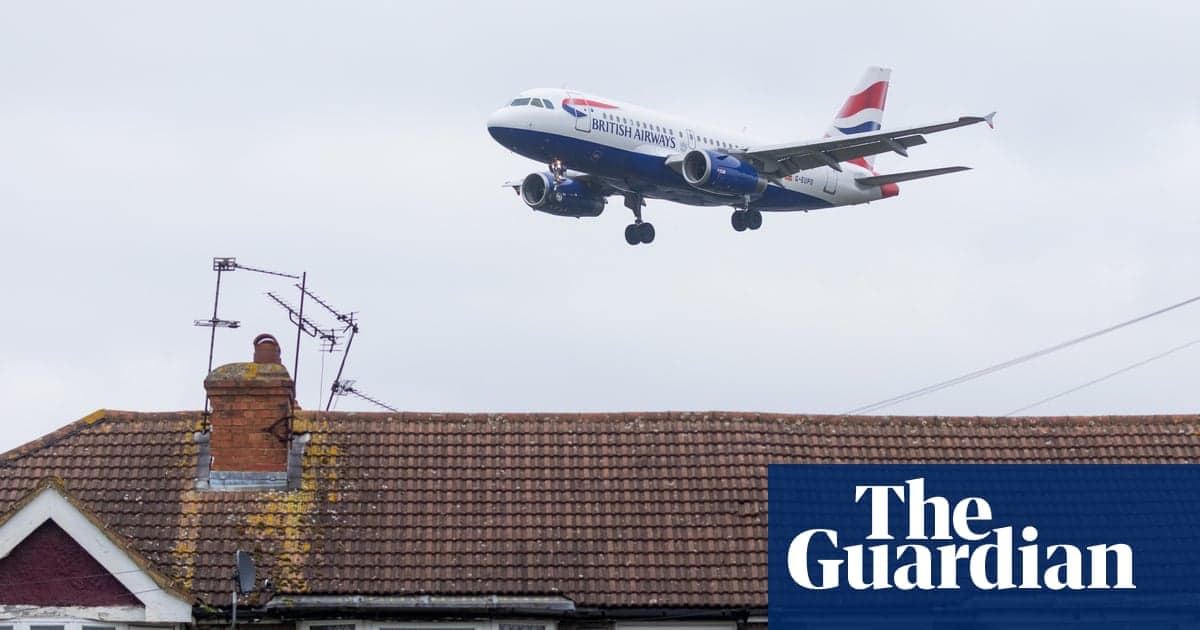
Heathrow in Talks with Airlines to End Row that Could Delay Third Runway
Companies Mentioned
Why It Matters
A stalled third runway would limit Heathrow’s capacity growth, raising costs for airlines and constraining the UK’s aviation‑linked economic engine. Resolving the dispute is critical to keep the multi‑billion‑dollar project on schedule and protect future revenue streams.
Key Takeaways
- •Heathrow negotiates with BA, Virgin, and Arora to lower runway costs
- •Airlines demand third‑runway cap at $38 bn, down from $62 bn estimate
- •Delay could push construction start beyond 2029, affecting 2035 target
- •Stakeholder split risks UK aviation capacity and revenue growth
Pulse Analysis
Heathrow’s third‑runway has become a flashpoint for a clash between the airport’s commercial ambitions and airline cost pressures. The original £49 bn (≈$62 bn) estimate sparked backlash from carriers that dominate slot usage, particularly British Airways, which controls more than half of Heathrow’s take‑off and landing rights. By demanding a cap of £30 bn (≈$38 bn), airlines hope to protect profit margins while still securing the capacity boost needed to accommodate projected traffic growth. The involvement of Surinder Arora, a local billionaire with his own £25 bn (≈$32 bn) expansion concept, adds a third dimension to the negotiations, forcing Heathrow to balance competing visions for the airport’s future.
The financial stakes extend beyond the runway itself. Heathrow’s ownership consortium—led by French firm Ardian and backed by sovereign wealth funds from Qatar, Singapore and Saudi Arabia—relies on the expansion to generate long‑term returns. A delay could erode investor confidence and prompt stakeholders like China Investment Corporation, which holds a 10 % stake, to reconsider their positions. Moreover, the UK government’s commitment, underscored by Chancellor Rachel Reeves’ pledge to start work before the next election, ties the project to broader economic policy goals, including job creation and regional connectivity.
If talks succeed, the runway could break ground by 2029 and become operational by 2035, delivering an estimated £2 bn (≈$2.5 bn) annual boost to the UK’s GDP. Conversely, a prolonged stalemate may force airlines to seek alternative hubs, weaken Heathrow’s status as Europe’s busiest airport, and diminish the nation’s leverage in global aviation negotiations. The outcome will shape not only Heathrow’s capacity but also the competitive dynamics of European air travel for years to come.
Heathrow in talks with airlines to end row that could delay third runway
Comments
Want to join the conversation?
Loading comments...