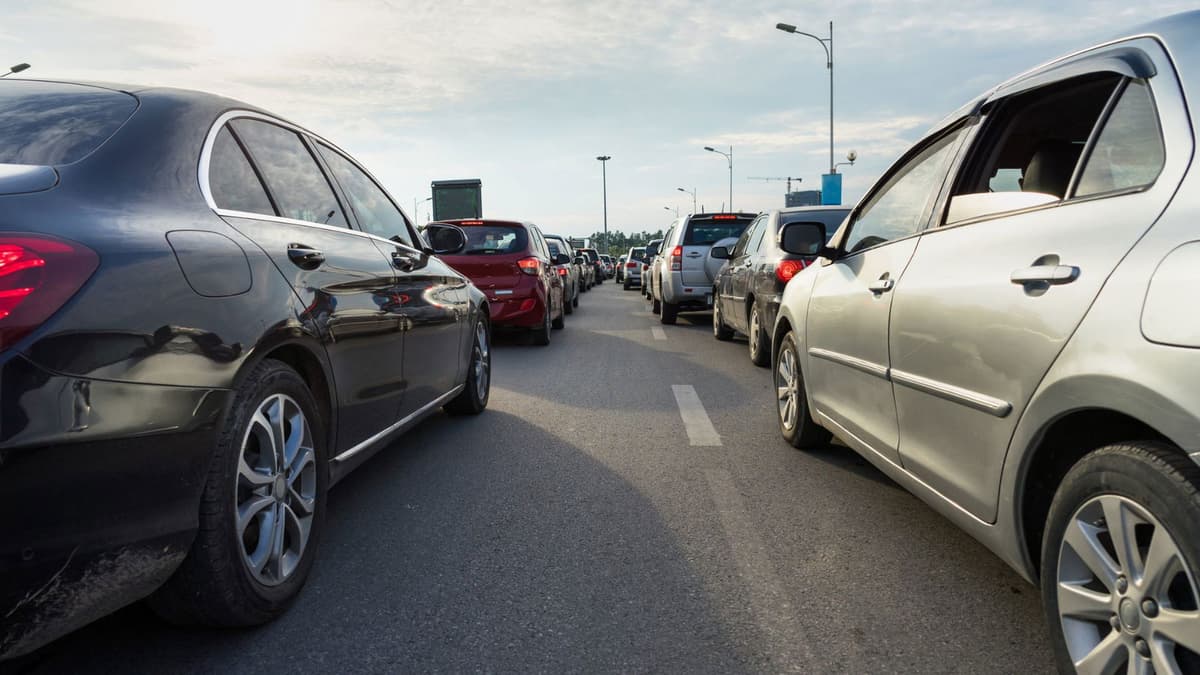
Heavy Traffic Ahead: Congestion Expected at Singapore–Malaysia Land Checkpoints During March School Holidays and Hari Raya Puasa
•March 9, 2026
0
Why It Matters
The expected bottleneck threatens trade flow and commuter productivity between Singapore and Malaysia, while stricter security protocols underscore regional risk management. It also pushes adoption of digital immigration tools, accelerating Singapore’s smart‑border agenda.
Key Takeaways
- •Heavy traffic expected at Woodlands and Tuas checkpoints March 13‑22
- •ICA intensifies security checks due to heightened global threats
- •Travelers advised to use MyICA QR codes for faster clearance
- •Queue cutting will be penalised; re‑queueing enforced
- •Over 3 million crossed checkpoints during Lunar New Year, three‑hour waits
Pulse Analysis
Every year the March school break and the Hari Raya Puasa festival generate a surge in cross‑border movement between Singapore and Malaysia. ICA’s latest forecast of continuous heavy traffic from 13‑22 March 2026 reflects this pattern; during the February Lunar New Year period, more than three million people crossed the Woodlands and Tuas checkpoints, with peak daily volumes of roughly 565,000 and wait times stretching to three hours. Such volumes strain not only passenger flow but also freight corridors, potentially delaying time‑critical shipments and affecting supply‑chain reliability for firms that rely on the Johor‑Singapore link.
In addition to seasonal pressure, ICA is tightening security checks on all entrants, cargo and vehicles, citing heightened global threats and recent developments in the Middle East. The heightened scrutiny adds processing time and requires travelers to present valid passports, Singapore Arrival Cards and, for permanent residents, updated Re‑Entry Permits. For commercial drivers, a valid Vehicle Entry Permit and up‑to‑date Autopass card are now mandatory, with non‑compliance resulting in denial of entry. These measures aim to safeguard national security but also compel businesses to tighten compliance protocols and adjust logistics schedules.
To alleviate congestion, ICA is promoting the MyICA mobile app, which generates QR codes for passport‑less immigration clearance at dedicated lanes. Early adopters can shave several minutes off each crossing, and the system integrates with automated and Special Assistance Lanes for buses and wheelchair users. The push toward digital clearance aligns with Singapore’s broader smart‑border strategy, encouraging data‑driven traffic management and reducing manual interventions. Travelers and freight operators who embrace these tools, maintain lane discipline, and settle any outstanding fines will experience smoother journeys, while authorities continue to enforce strict queue‑cutting penalties.
Heavy traffic ahead: Congestion expected at Singapore–Malaysia land checkpoints during March school holidays and Hari Raya Puasa
0
Comments
Want to join the conversation?
Loading comments...