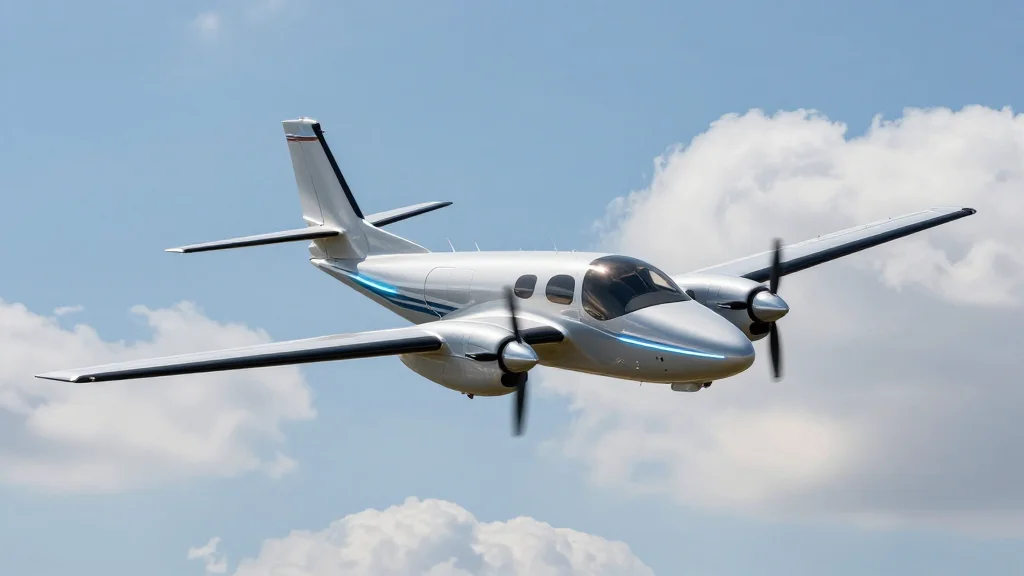
Helios Horizon “the First Company to Fly an Aircraft Powered by Solid State Batteries”
Why It Matters
The breakthrough validates solid‑state batteries as a viable power source for electric aircraft, potentially accelerating the shift toward zero‑emission aviation and opening new high‑altitude mission profiles.
Key Takeaways
- •Solid‑state batteries deliver 410 Wh/kg, 58% more than lithium‑ion
- •Helios Horizon modified a Pipistrel Taurus with wing extensions and solar panels
- •Test flight reached 24,000 ft; target altitude exceeds 40,000 ft
- •Higher energy density reduces aircraft weight, extending range and payload
- •Solid‑state tech could accelerate commercial electric aviation and stratospheric missions
Pulse Analysis
Solid‑state batteries have long been hailed as the next breakthrough in energy storage, promising higher energy density, faster charging and improved safety over conventional lithium‑ion cells. The technology replaces liquid electrolytes with solid ceramic or polymer layers, eliminating the risk of thermal runaway while allowing tighter packaging. Recent advances in materials science have finally pushed gravimetric energy beyond 400 Wh per kilogram, a threshold that makes high‑altitude electric flight feasible. As aerospace manufacturers chase zero‑emission solutions, the arrival of commercially viable solid‑state packs marks a pivotal shift from experimental prototypes to operational platforms.
Helios Horizon, a Sarasota‑based startup, leveraged this leap by retrofitting a Pipistrel Taurus glider with custom wing extensions, integrated solar panels and a dedicated battery‑management system. The aircraft’s previous lithium‑ion pack supplied 260 Wh/kg; the new solid‑state unit delivers 410 Wh/kg, a 58 percent boost that translates into a lighter airframe and longer endurance. In its inaugural test the plane climbed to 24,000 feet, proving that the powertrain can sustain thin‑air performance. The team now aims to break the 40,000‑foot electric ceiling, a milestone that would place electric aircraft alongside traditional jet‑propelled stratospheric platforms.
The successful flight sends a clear signal to investors, regulators and legacy OEMs that solid‑state propulsion is moving out of the lab. For commercial operators, the higher specific energy could shrink charging infrastructure and lower operating costs, accelerating the rollout of electric regional air services and even high‑altitude unmanned missions. However, scaling production will require supply‑chain coordination for solid electrolytes and certification pathways that address new safety considerations. If Helios Horizon can demonstrate repeatable, reliable operations, the technology could reshape the economics of electric aviation and spur a new wave of sustainable air mobility.
Helios Horizon “the first company to fly an aircraft powered by solid state batteries”
Comments
Want to join the conversation?
Loading comments...