Here's How (And How Often) To Inspect Your Vehicle's Tires

Why It Matters
Regular tire inspections protect motorists from blowouts, reduce fuel costs, and prolong expensive tire assets, directly impacting safety and operating expenses.
Key Takeaways
- •Inspect tires monthly; check pressure weekly
- •Pressure drops ~2 PSI per 10 °F temperature decline
- •Replace tires under 2/32‑inch tread depth
- •Rotate tires every 4‑6 k miles for even wear
- •Winter tread depth requirement: at least 4/32‑inch
Pulse Analysis
Tire maintenance remains a cornerstone of vehicle safety and cost control, yet many drivers treat it as an afterthought. According to the NHTSA, a tire failure contributes to roughly 2,000 fatalities each year in the United States. Maintaining proper inflation can shave up to 3% off fuel consumption, a tangible saving when gasoline prices fluctuate. Moreover, under‑inflated tires generate excess heat, accelerating tread wear and increasing the likelihood of a blowout on the highway.
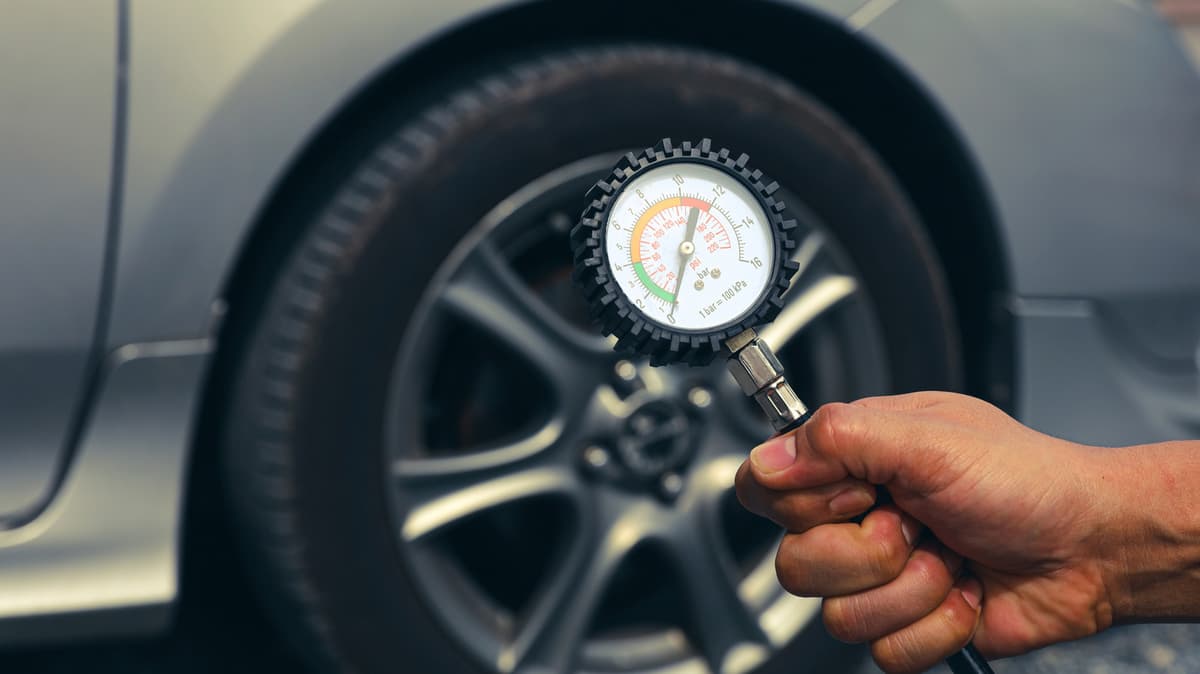
A practical inspection routine starts with a reliable pressure gauge and a quick visual scan. Drivers should measure pressure when tires are cold, as a 10‑degree Fahrenheit drop typically reduces pressure by two PSI. The recommended PSI values are listed on the driver‑side door jamb and differ between front and rear axles. In addition to pressure, examine sidewalls for cuts, bulges, or cracks—damage that cannot be safely repaired and signals the need for a replacement. Using a tread‑depth gauge, verify that the tread remains above 2/32‑inch; winter driving demands a deeper 4/32‑inch tread to maintain traction on snow and ice.
Beyond inspection, systematic tire rotation extends the usable life of each tire. Most manufacturers suggest rotating every 4,000‑6,000 miles, with patterns varying for front‑wheel‑drive, rear‑wheel‑drive, or all‑wheel‑drive vehicles and for symmetrical, asymmetrical, or directional tread designs. Rotating balances wear, improves handling, and can delay the need for premature replacements. When in doubt, a professional service can confirm correct rotation, balance, and alignment, ensuring the vehicle remains safe, fuel‑efficient, and ready for seasonal changes.
Here's How (And How Often) To Inspect Your Vehicle's Tires
Comments
Want to join the conversation?
Loading comments...