Here's How Car Magazines Tested Acceleration Before GPS (And Sometimes Still Do)

Why It Matters
Accurate acceleration metrics shape consumer perception and performance rankings, and the shift to digital measurement ensures consistency and repeatability across automotive publications.
Key Takeaways
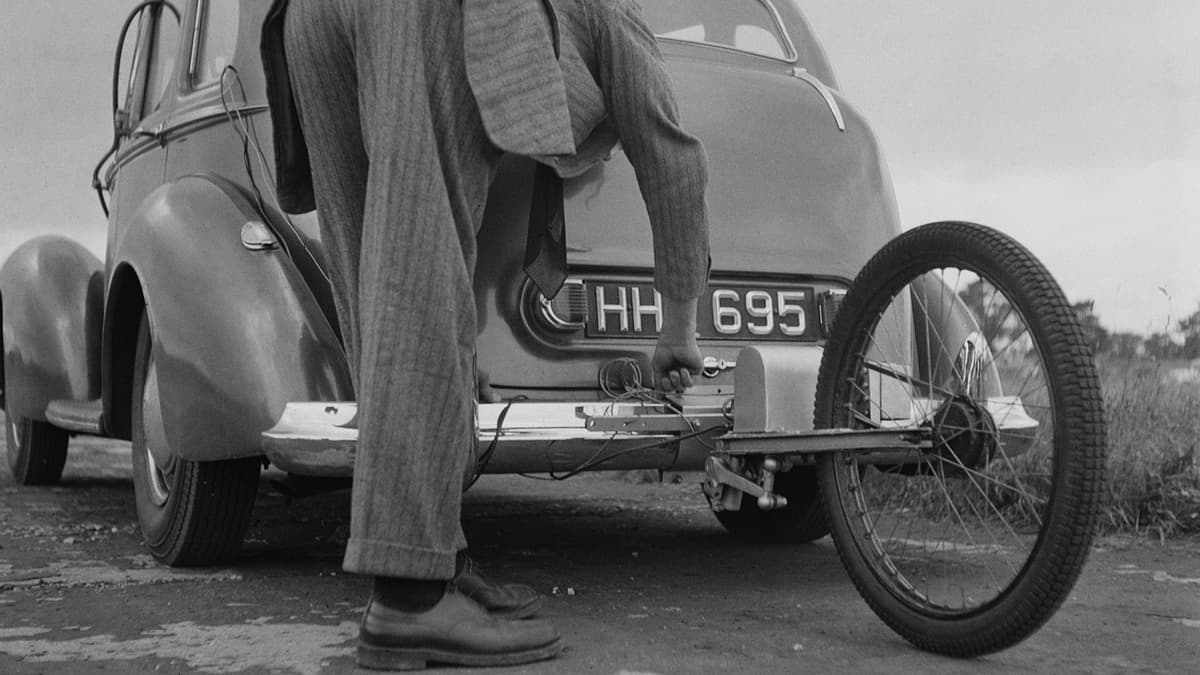
- •Stopwatch and fifth‑wheel rigs measured 0‑60 mph before digital era
- •Correvit uses light‑blur optics, offering precision beyond early GPS
- •GPS testing began in early 1990s with roof‑mounted Racelogic VBOX
- •Phone‑based GPS trackers cost ~ $20 but sacrifice accuracy
- •Fifth‑wheel rigs remain useful where satellite signals are unavailable
Pulse Analysis
The evolution of acceleration testing mirrors broader trends in automotive journalism, where credibility hinges on repeatable, data‑driven results. Early reviewers relied on human reaction times and mechanical rigs, which introduced variability but offered a tangible way to compare raw performance. By documenting the transition from stopwatches to fifth‑wheel rigs, the industry set a benchmark for objective measurement that still informs today’s consumer guides.
The 1980s brought the Correvit system, an optical solution that projected a light beam onto the pavement and measured its blur as the car passed. This method delivered sub‑0.1‑second precision and proved especially valuable in environments where GPS signals faltered, such as cold‑weather test tracks or remote proving grounds. When satellite‑based GPS entered the scene in the early 1990s, devices like Racelogic’s VBOX leveraged multi‑constellation data to provide real‑time speed and distance logs, quickly becoming the standard for magazines and online reviewers seeking consistency across test runs.
Today, the testing landscape balances high‑end equipment with cost‑effective alternatives. Professional outfits invest thousands of dollars in VBOX or similar rigs to guarantee data integrity, while hobbyists and smaller publications can achieve reasonable results with $20 phone‑based trackers, albeit with reduced accuracy. The persistence of fifth‑wheel rigs underscores a niche need: reliable performance data when GPS is obstructed. This hybrid approach ensures that acceleration figures remain a trusted metric for buyers, manufacturers, and the broader automotive media ecosystem.
Here's How Car Magazines Tested Acceleration Before GPS (And Sometimes Still Do)
Comments
Want to join the conversation?
Loading comments...