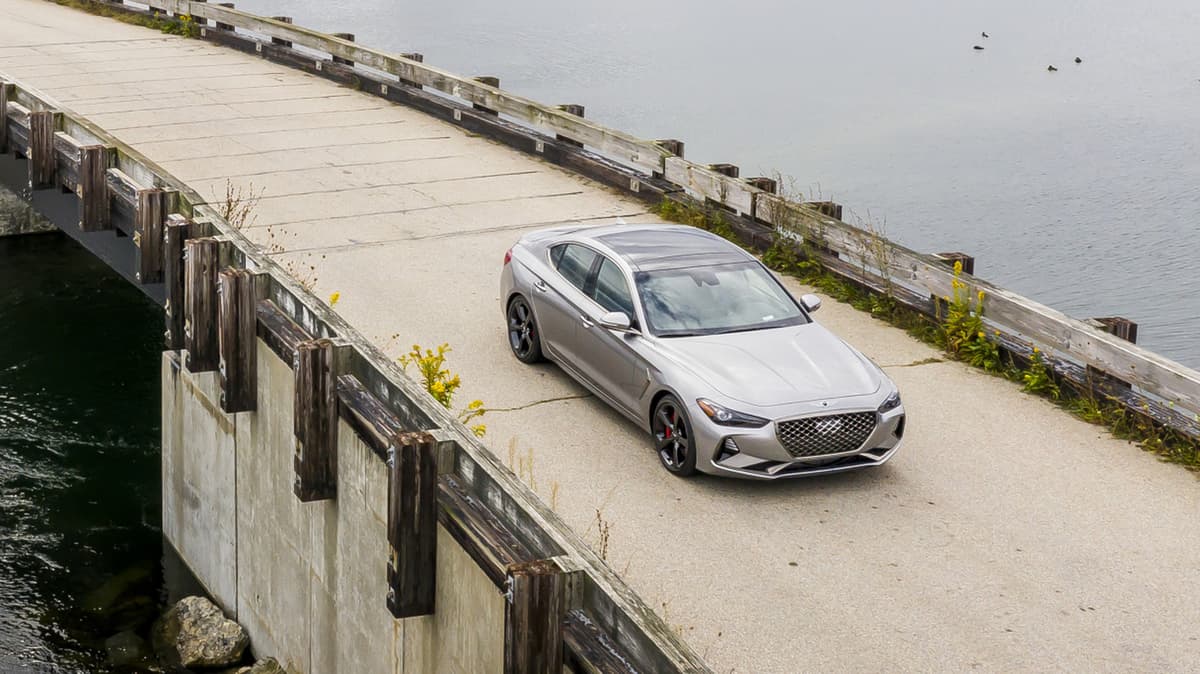
Here's How Much A 2021 Genesis G70 Has Depreciated In 5 Years
•March 7, 2026
0
Why It Matters
Understanding the G70’s depreciation helps consumers gauge total cost of ownership versus German rivals, while dealers can adjust inventory strategies based on its competitive resale value.
Key Takeaways
- •2021 G70 loses ~44% value after five years.
- •Residual value around $20k–$22k for base model.
- •Depreciation slightly better than German rivals.
- •V6 G70 retains value near $24k–$28k used.
- •Reliability ranking hurts G70’s used‑car appeal.
Pulse Analysis
Luxury compact sedans are a battleground where depreciation often dictates buying decisions. The Genesis G70 entered the segment as Hyundai’s upscale answer to German stalwarts, offering a lower sticker price and a strong warranty. Over a five‑year horizon, its value erosion sits just under the segment average, a nuance that can translate into meaningful savings for cost‑conscious buyers who still desire premium features. This modest advantage stems from Genesis’s aggressive pricing at launch and a relatively stable supply of certified‑pre‑owned inventory.
When the numbers are broken down, the base‑engine G70 retains roughly $20,000‑$22,000 after five years, while the twin‑turbo 3.3‑liter V6 version holds $24,000‑$28,000. German competitors—Audi A4, BMW 3 Series, Mercedes‑C Class—typically fall into the $19,000‑$21,000 range for comparable model years, reflecting depreciation rates between 46% and 49%. However, the G70’s resale appeal is tempered by Consumer Reports’ below‑average reliability scores, which can sway buyers toward the more established German brands despite the slightly better price hold.
Looking ahead, the G70’s depreciation profile positions it as a viable alternative for fleet managers and private buyers seeking luxury without the premium resale hit. Dealers should emphasize the lower total cost of ownership and the comprehensive warranty, while also addressing reliability concerns through service packages. As the luxury compact market continues to evolve, models that combine competitive pricing, solid residual values, and improved quality metrics will likely dominate the pre‑owned segment.
Here's How Much A 2021 Genesis G70 Has Depreciated In 5 Years
0
Comments
Want to join the conversation?
Loading comments...