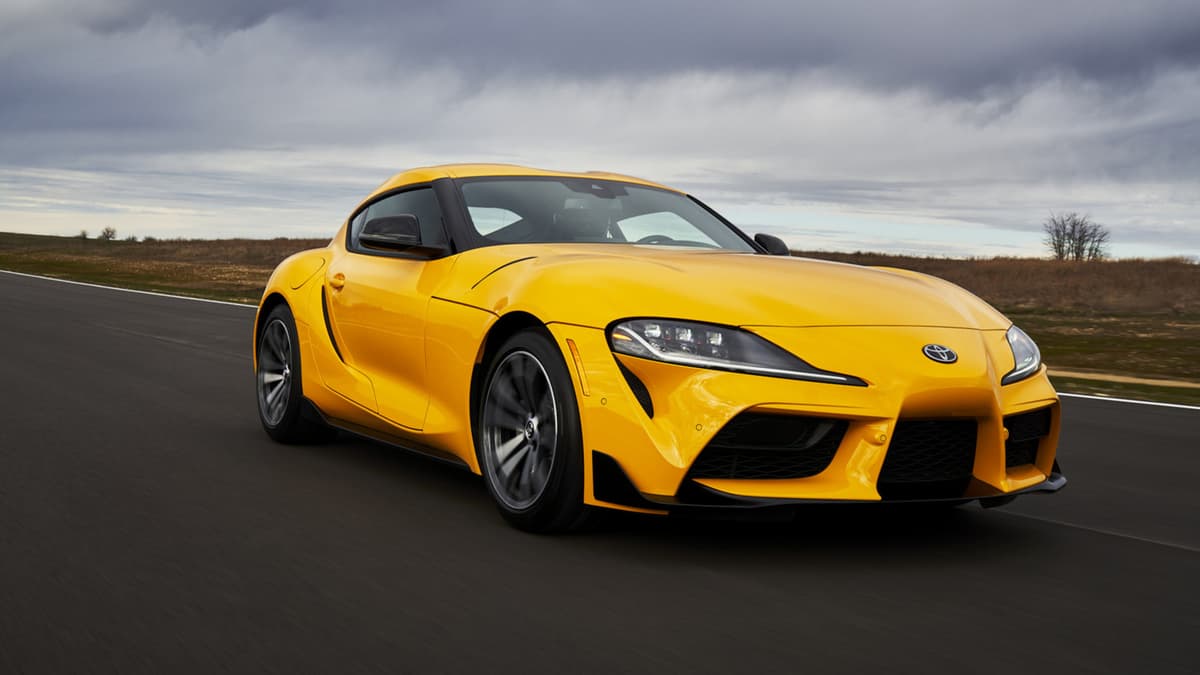
Here's How Much The Toyota GR Supra Has Depreciated In 5 Years
•March 1, 2026
0
Why It Matters
Supra’s relatively low depreciation makes it a compelling used‑car option, influencing buyer decisions in the competitive sports‑car segment and affecting Toyota’s brand equity in performance markets.
Key Takeaways
- •2021 Supra depreciates about 23% after five years
- •Resale values range $40k‑$50k for low‑mileage models
- •Z4 loses ~40% depreciation, cheaper used options
- •Porsche Cayman retains value, ~17% depreciation over five years
- •Jaguar F‑Type drops ~51%, priced $35k‑$40k used
Pulse Analysis
Depreciation is a key metric for sports‑car buyers, and the Toyota GR Supra stands out by shedding only about a quarter of its value over five years. While many high‑performance coupes lose half their price in the same period, the Supra’s modest 23% drop reflects a blend of strong brand demand, limited production, and a price point that remains attractive on the secondary market. This resilience is especially notable given the model’s origins as a rebadged BMW Z4, which itself depreciates at a steeper 40% rate.
When stacked against contemporaries, the Supra’s value retention paints a nuanced picture of the segment. The Porsche 718 Cayman, despite a higher MSRP, experiences just 17% depreciation, underscoring Porsche’s cachet and buyer loyalty. Conversely, the Jaguar F‑Type’s 51% loss illustrates how brand perception and model discontinuation can accelerate price erosion. The BMW Z4’s deeper discount creates a niche for budget‑conscious enthusiasts, while the Supra’s mid‑range depreciation offers a balanced proposition for those seeking performance without the premium premium.
For consumers, these dynamics translate into strategic timing for purchases and sales. A five‑year‑old Supra delivers near‑new driving experience at a fraction of original cost, making it an appealing entry point into the sports‑car market. Dealers can leverage the predictable depreciation curve to structure attractive financing and trade‑in offers. Looking ahead, Toyota’s continued investment in the GR line could further stabilize resale values, reinforcing the Supra’s role as a value‑driven performance icon.
Here's How Much The Toyota GR Supra Has Depreciated In 5 Years
0
Comments
Want to join the conversation?
Loading comments...