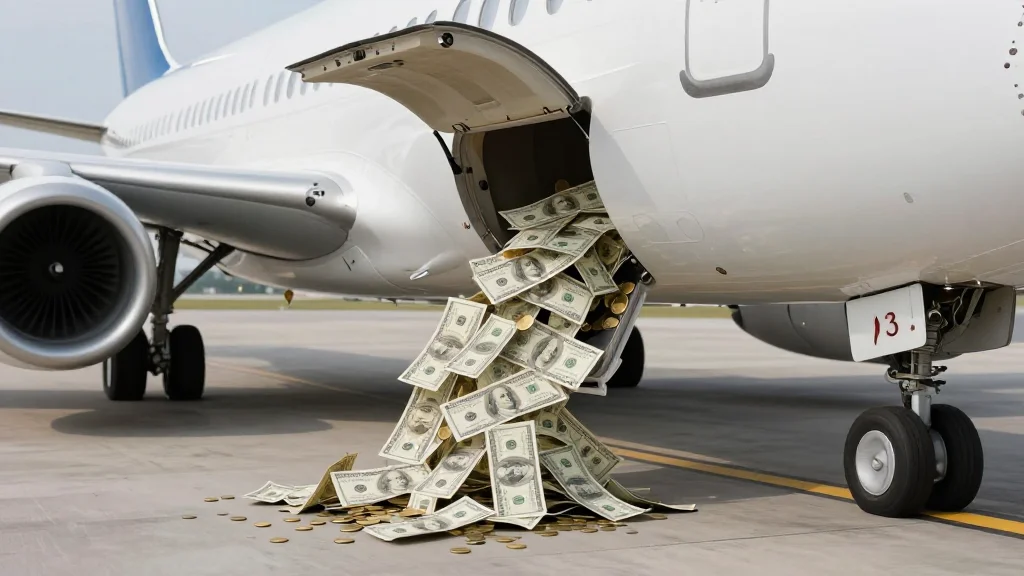
Here’s the Real Cost of Economy Airfare After All the Fees. ‘What’s Next — an Add-On for Access to the Bathroom?’
Companies Mentioned
International Air Transport Association

J.D. Power
Why It Matters
The surge in ancillary revenue reshapes airline profitability and price transparency, pressuring both consumers and regulators as travel costs become increasingly opaque.
Key Takeaways
- •Airline add‑on fees exceed $100 billion annually, doubling since 2016.
- •Economy fares plus typical extras can double the advertised price.
- •Delta posted >$1 billion profit despite recent Q1 loss.
- •Unbundled pricing grew with online booking, boosting fee predictability.
- •Consumer backlash may pressure regulators to curb excessive ancillary fees.
Pulse Analysis
The airline industry's pivot to an à‑la‑carte pricing model began in earnest when online travel agencies made low‑fare listings the primary draw for shoppers. By stripping seat selection, baggage, meals and Wi‑Fi from the base fare, carriers could advertise rock‑bottom prices while stacking on mandatory add‑ons later. Research from IdeaWorksCompany shows that ancillary revenue has climbed from roughly $45 billion in 2016 to more than $100 billion today, providing a steadier cash flow that is insulated from the volatility of ticket pricing and fuel‑related excise taxes.
For the average passenger, the headline price no longer reflects the true cost of a trip. A New York‑to‑Los Angeles economy ticket in May can start at under $200, but adding a checked bag, seat assignment and a flexible ticket often pushes the total past $400, effectively doubling the fare. Travelers like real‑estate broker Nikki Beauchamp and veteran globetrotter Janice Lintz voice frustration, noting that essential services such as carry‑on allowance or mileage accrual are now premium features, eroding the perceived value of low‑cost carriers.
Growing consumer irritation is spilling into the policy arena. A 2024 Senate hearing saw Sen. Richard Blumenthal criticize airlines for treating passengers as “walking piggy banks,” and lawmakers are exploring disclosure rules that would require airlines to present all mandatory fees up front. Meanwhile, airlines argue that ancillary fees give customers choice and fund investments in cabin upgrades and sustainability initiatives. If pressure mounts, we may see a modest rollback of the most egregious add‑ons or a shift toward bundled fare structures that balance transparency with revenue needs.
Here’s the real cost of economy airfare after all the fees. ‘What’s next — an add-on for access to the bathroom?’
Comments
Want to join the conversation?
Loading comments...