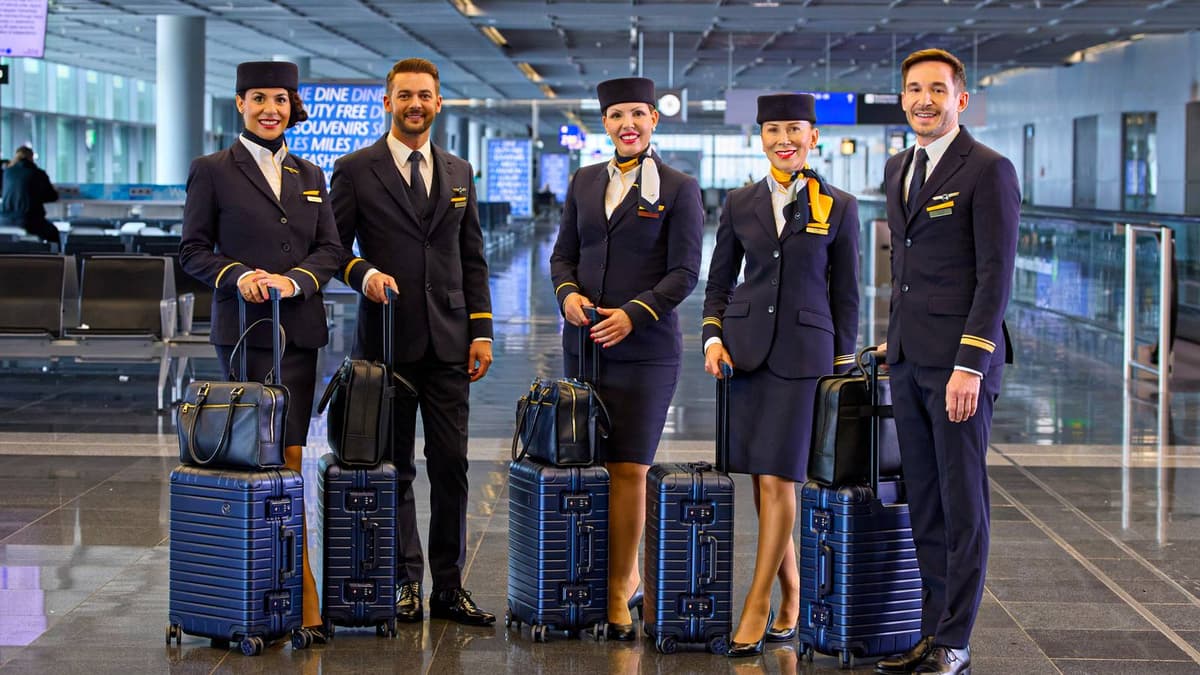
Here's What Flight Attendants Can Tell When You're Experiencing Your 1st Long-Haul Flight
Companies Mentioned
Why It Matters
Identifying inexperienced passengers early reduces boarding delays, minimizes in‑flight disruptions, and enhances overall safety—a direct cost saver for airlines. The insights also empower travelers to prepare better, improving satisfaction on costly long‑haul routes.
Key Takeaways
- •Crew spot slow boarding as sign of first‑time long‑haul passenger
- •Overstuffed carry‑ons trigger delays and reveal inexperienced travelers
- •Frequent call‑button use indicates passenger anxiety or unfamiliarity
- •Fit passengers are noted as potential emergency helpers
- •Hydration, sleep adjustment, and entertainment reduce first‑flight stress
Pulse Analysis
Cabin crews are the first line of observation on long‑haul flights, constantly scanning the cabin for cues that indicate a passenger’s experience level. From the moment the doors open, attendants gauge boarding pace, luggage handling, and body language. These micro‑behaviors matter because a single delayed passenger can add minutes to turnaround, and at an industry‑wide average of $100 per minute, the financial impact quickly escalates. By earmarking physically strong travelers as potential emergency resources, crews also bolster safety readiness without formal training drills.
The most common red flags include hesitant aisle navigation, over‑packed carry‑ons, and repeated use of the call button for non‑urgent needs. Overstuffed bags not only congest the aisle but also increase the risk of injury during stowage, prompting crew intervention that slows the boarding flow. Excessive call‑button activation disrupts the structured service rhythm, forcing attendants to divert attention from safety checks. These patterns are especially pronounced on budget carriers where baggage policies are stricter, turning a simple storage issue into a passenger conflict.
For first‑time long‑haul flyers, proactive preparation can mitigate these signals. Adjusting sleep schedules before departure, staying well‑hydrated, and planning entertainment reduce anxiety and the urge to seek crew assistance. Packing efficiently—using lightweight, easily maneuverable bags—streamlines boarding and demonstrates confidence to the crew. When travelers adopt these habits, they not only enjoy a smoother journey but also help airlines maintain on‑time performance and lower operational costs, reinforcing a win‑win for both passengers and the industry.
Here's What Flight Attendants Can Tell When You're Experiencing Your 1st Long-Haul Flight
Comments
Want to join the conversation?
Loading comments...