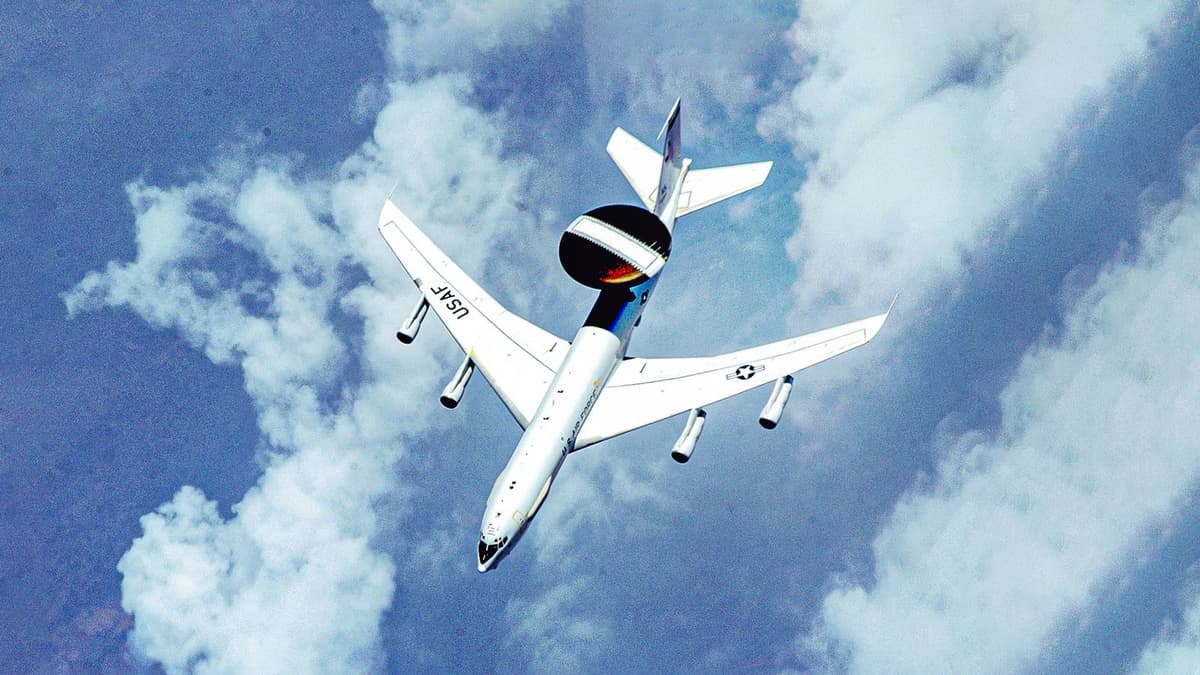
Here's What It Costs To Replace Every Aircraft The US Lost In Iran
Companies Mentioned
Why It Matters
The attrition erodes U.S. air‑power readiness and exposes a defense‑industrial base unable to surge production, jeopardizing future conflict sustainability.
Key Takeaways
- •42 US aircraft lost in Operation Epic Fury, costing $7 billion to replace
- •A‑10 and E‑3 Sentry are irreplaceable; production lines closed decades ago
- •F‑15E replacements require F‑15EX, with three‑year delivery lag
- •MQ‑9 Reaper losses hit 24 units, nearing $1 billion total cost
- •Defense industrial base lacks surge capacity, extending aircraft replacement timelines to years
Pulse Analysis
Operation Epic Fury has forced policymakers to confront a stark reality: the United States can no longer rely on a just‑in‑time defense supply chain to replenish high‑value air assets. While the $7 billion price tag for replacing 42 lost aircraft sounds astronomical, the deeper issue lies in the loss of platforms that cannot simply be bought off the shelf. The retirement of the A‑10 and E‑3 production lines means the Air Force must either extend the service life of aging fleets or invest in costly, time‑intensive redesigns, stretching budgets and timelines alike.
Compounding the financial strain are bottlenecks in next‑generation programs. The F‑35A’s software suite remains incomplete, curbing the delivery schedule, while the F‑15EX queue is already three years deep, inflating the cost of replacing a $70 million legacy F‑15E to about $90 million per airframe. Even the C‑130J, still in production, faces a two‑to‑three‑year lead time and a $115 million price tag per aircraft. Drone losses, notably 24 MQ‑9 Reapers and a high‑cost MQ‑4C Triton, add nearly $1 billion to the tally, underscoring that unmanned systems are not the inexpensive expendables once assumed.
Strategically, the erosion of air‑power readiness forces a reassessment of U.S. force structure and industrial policy. Decision‑makers must consider expanding surge‑capacity capabilities, diversifying the supplier base, and accelerating modernization pathways for legacy platforms. Failure to address these gaps could constrain operational flexibility in future high‑intensity conflicts, where adversaries can exploit the prolonged replacement cycles of critical aircraft. Investing now in a more resilient production ecosystem may prove cheaper than repeatedly patching capability shortfalls on the battlefield.
Here's What It Costs To Replace Every Aircraft The US Lost In Iran
Comments
Want to join the conversation?
Loading comments...