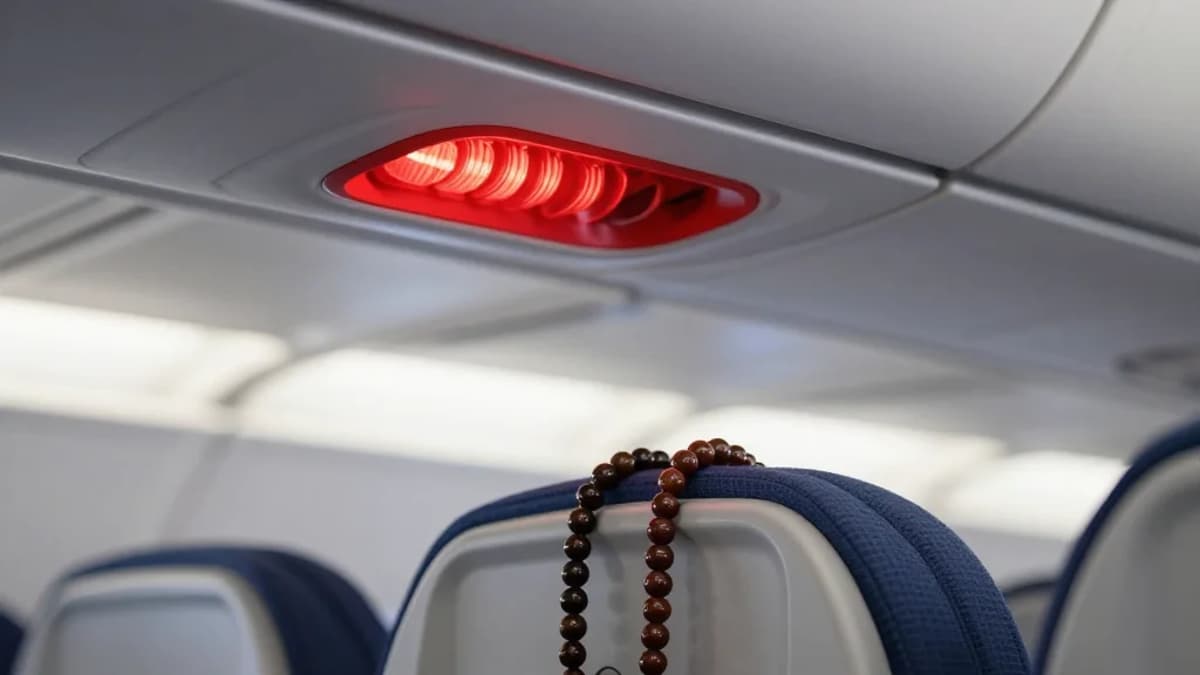
“He’s Praying In A Foreign Language!” Southwest Flight Diverts After Prayer Alarm Sparks Security Scare
•March 9, 2026
0
Why It Matters
The incident highlights how perceived security threats can trigger costly diversions, affecting airline operations and passenger experience, while raising questions about cultural misunderstandings and threat assessment protocols.
Key Takeaways
- •Flight diverted after passenger’s prayer alarm caused alarm
- •FBI found no credible threat; no charges filed
- •Diversion added six hours to passenger travel time
- •Incident raises concerns over cultural bias in security decisions
- •Airlines face operational costs from precautionary diversions
Pulse Analysis
Airlines operate under strict security mandates that require immediate action when a potential threat is reported onboard. In the case of Southwest Flight 2094, the captain elected to divert to Atlanta after a passenger’s repeated timer and audible prayers were perceived as suspicious. Such precautionary landings trigger a cascade of operational steps—law‑enforcement boarding, passenger de‑planing, and aircraft repositioning—that can cost airlines tens of thousands of dollars per incident. The Federal Aviation Administration also scrutinizes these events, influencing airline risk‑assessment models and crew training programs.
The passenger in question was observed performing Salah, the five daily Islamic prayers, while a phone timer rang every ten minutes—a practice common during Ramadan. For many travelers unfamiliar with the ritual, the combination of a loud alarm and foreign‑language chanting can appear unsettling, especially in the confined cabin environment. Airlines and crew members receive limited training on religious customs, which can lead to misinterpretation of benign behavior as a security risk. Enhancing cultural competency programs helps differentiate genuine threats from harmless expressions of faith, reducing unnecessary diversions.
From an industry perspective, the Southwest incident underscores the financial and reputational stakes tied to security judgments. Each diversion not only delays passengers but also strains airport resources and can erode public confidence in airline safety protocols. Regulators are likely to examine whether current threat‑assessment guidelines adequately balance vigilance with cultural awareness. Airlines may invest in advanced cabin‑monitoring technologies, such as AI‑driven audio analysis, and expand crew education to mitigate false alarms. Proactive measures can preserve operational efficiency while respecting passengers’ diverse practices.
“He’s Praying In A Foreign Language!” Southwest Flight Diverts After Prayer Alarm Sparks Security Scare
0
Comments
Want to join the conversation?
Loading comments...