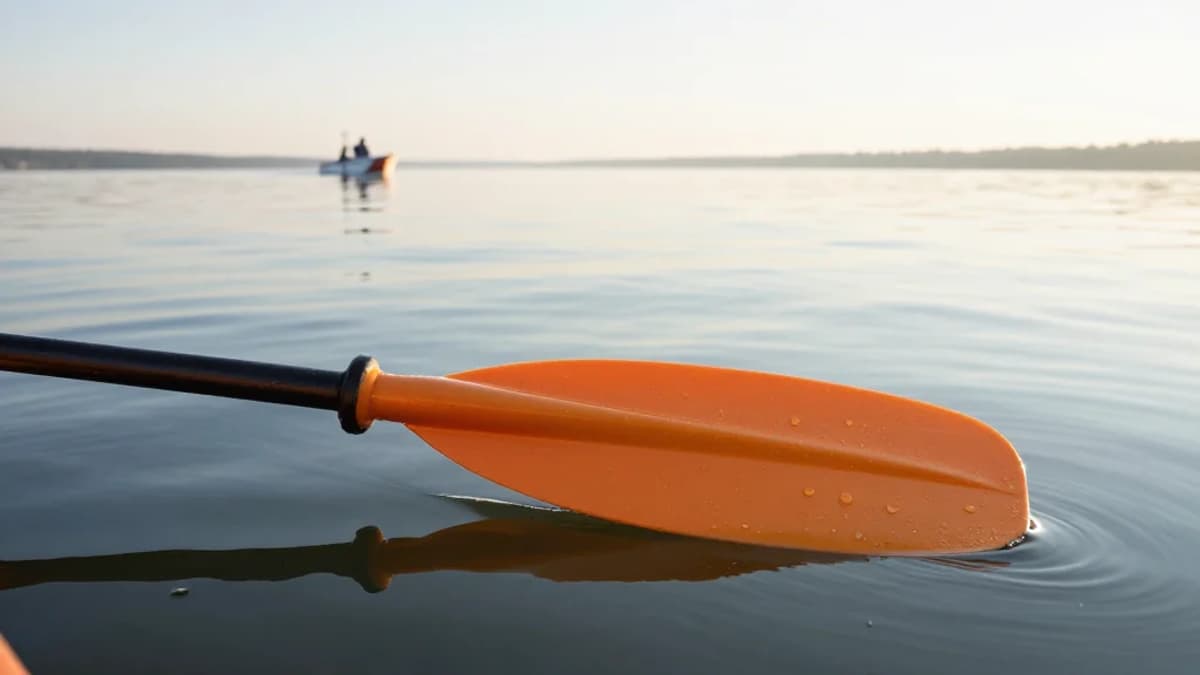
Hey Paddlers, The U.S. Coast Guard Wants To Hear From You
•March 10, 2026
0
Why It Matters
Accurate paddlecraft data will shape Coast Guard safety priorities and influence industry standards, giving a voice to a largely invisible segment of recreational boating.
Key Takeaways
- •NRBSS returns after eight-year gap, 2026.
- •Survey targets 50,000 households nationwide.
- •Estimates 13.4 million unregistered paddlecraft.
- •Data guides Coast Guard safety resource allocation.
- •Paddlers can shape future boating regulations.
Pulse Analysis
The National Recreational Boating Safety Survey (NRBSS) has been the cornerstone of U.S. water‑recreation data since 1973, collecting information on boat counts, usage patterns, and safety practices. While state registration systems capture motorized vessels, they largely omit human‑powered craft such as kayaks, canoes and paddleboards, leaving a blind spot for policymakers. The 2026 iteration marks the first survey since 2018, offering the most current glimpse into a market that now includes an estimated 13.4 million unregistered paddlecraft. By filling this gap, the Coast Guard can produce a more accurate national boating profile.
Data from the NRBSS directly informs how the Coast Guard allocates enforcement personnel, funding for safety campaigns, and the deployment of emergency equipment such as EPIRBs and personal location beacons. With more than 50,000 households slated for interview, the survey will capture granular details on paddlecraft ownership, rental habits, and the prevalence of safety gear among non‑motorized users. These insights enable regulators to tailor education programs, prioritize high‑risk waterways, and consider new standards for equipment on small, unregistered vessels. In turn, insurers and manufacturers can adjust risk models and product offerings.
The Coast Guard’s outreach invites paddlers of all skill levels to register their interest, turning a traditionally under‑represented segment into a data source that can shape future policy. Participation not only ensures that safety equipment requirements reflect real‑world usage, but also strengthens the case for infrastructure investments such as marked launch sites and dedicated paddle lanes. As outdoor recreation continues its post‑pandemic surge, accurate participation metrics become essential for industry stakeholders, from equipment makers to tourism boards, to plan growth strategies. Volunteers can expect follow‑up invitations to the full NRBSS later this year.
Hey Paddlers, The U.S. Coast Guard Wants To Hear From You
0
Comments
Want to join the conversation?
Loading comments...