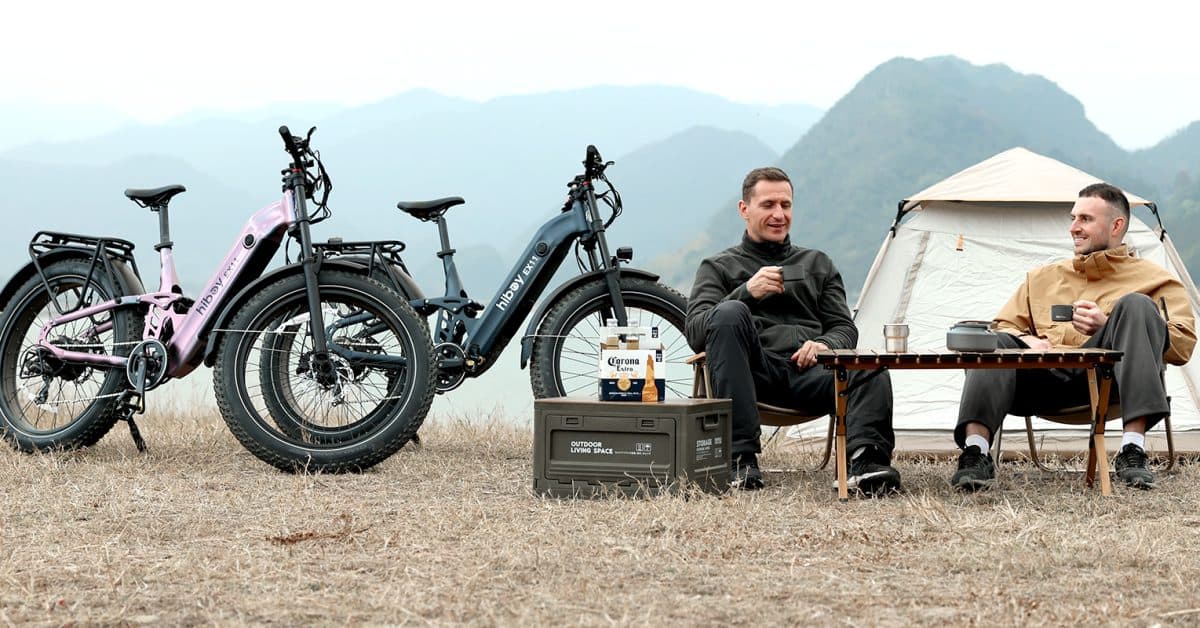
Hiboy Launches 100-Mile EX11 Full Suspension E-Bike at $1,300, Bluetti 128Wh to 3,840Wh Elite Power Stations From a $113 Low, Anker, More
•March 4, 2026
0
Companies Mentioned
Why It Matters
Affordable, high‑range e‑bikes lower the barrier to mass adoption, while cheaper portable power stations expand off‑grid and emergency power options for consumers and businesses.
Key Takeaways
- •Hiboy EX11 sells for $1,299, regular $2,000.
- •100‑mile range on 48 V 18 Ah battery.
- •750 W motor delivers 28 mph top speed.
- •Bluetti Elite 10 Mini priced $113, 128 Wh capacity.
- •Anker eufy solar kit drops $200, 3K‑4K video.
Pulse Analysis
The EX11’s combination of full‑suspension geometry and a 100‑mile range positions it as a serious contender in the mid‑tier electric‑bike market, where range anxiety remains a primary hurdle. By pricing the model well below its $2,000 list price, Hiboy not only accelerates consumer trial but also pressures rivals to compress margins or add value. The bike’s 750 W rear hub motor and 90 Nm torque deliver a mountain‑bike‑like experience without sacrificing commuter practicality, potentially expanding e‑bike usage beyond urban corridors into off‑road recreation.
Portable power stations are experiencing a similar democratization, exemplified by Bluetti’s Elite 10 Mini now available for $113. The unit’s LiFePO₄ chemistry offers superior thermal stability and longer cycle life compared with traditional lithium‑ion packs, making it attractive for travelers, remote workers, and emergency kits. With fast AC charging, solar input up to 100 W, and airline‑carry‑on approval, the Elite series bridges the gap between small‑scale USB power banks and full‑size home backup generators, signaling a shift toward modular, scalable energy solutions.
The broader slate of green‑tech promotions—including Anker’s discounted solar security cameras, folding fat‑tire e‑bikes, and high‑capacity EcoFlow stations—reflects a market flush with inventory after a surge in demand during the pandemic. Retailers are leveraging deep discounts to clear stock while consumers benefit from unprecedented price points on sustainable technology. This convergence of lower entry costs and expanding product ecosystems is likely to accelerate adoption of electric mobility and clean‑energy accessories, reinforcing the momentum toward a more resilient, low‑carbon consumer landscape.
Hiboy launches 100-mile EX11 full suspension e-bike at $1,300, Bluetti 128Wh to 3,840Wh Elite power stations from a $113 low, Anker, more
0
Comments
Want to join the conversation?
Loading comments...