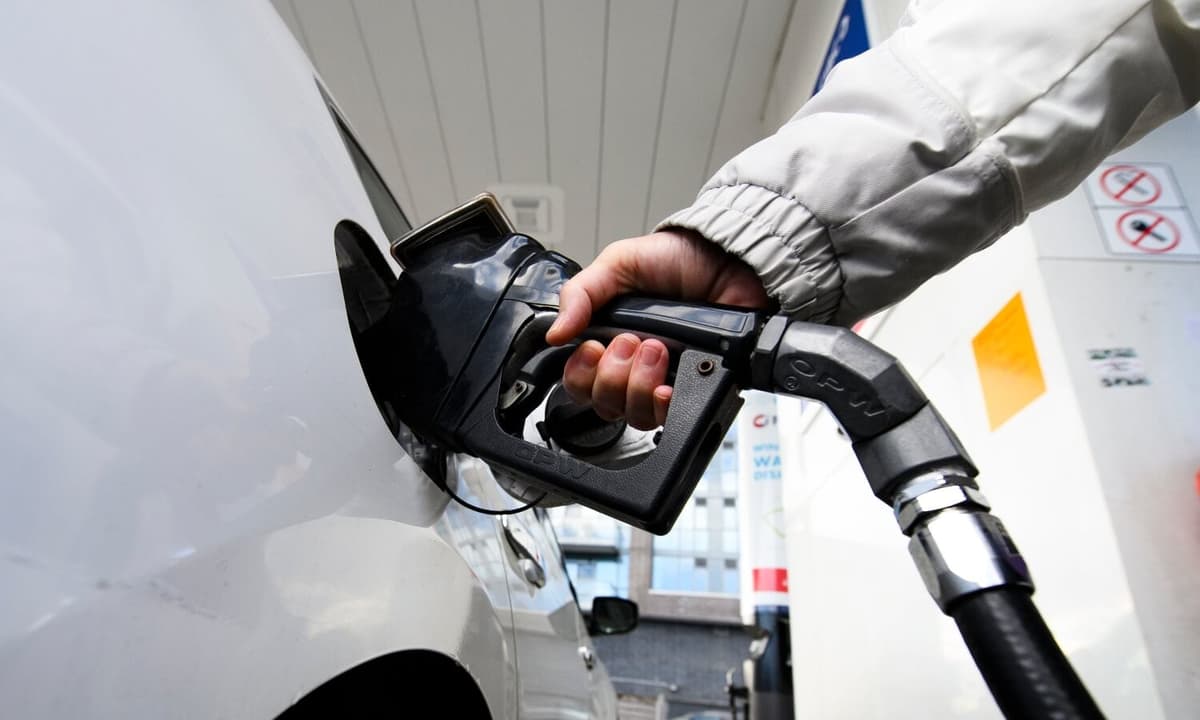
High Gas Prices Are Fuelling Car-Free Dreams
Why It Matters
The shift toward car‑free lifestyles reshapes consumer spending, pressures the auto market, and creates new opportunities for financial planners to guide Canadians through cost‑benefit analyses.
Key Takeaways
- •Car expenses average $139,000 over nine years, before gas surge
- •Ride‑hailing and car‑share can replace ownership but add variable costs
- •Negative equity traps owners who owe more than a car’s resale value
- •A six‑month car‑free trial helps quantify real savings
- •Surplus cash should fund emergency or TFSA, not lifestyle inflation
Pulse Analysis
High gasoline prices have turned transportation into a budget‑breaker for many Canadians, ranking it just behind shelter and food in household expenditures. The surge has revived interest in car‑free living, especially in dense urban centres where transit, biking and ride‑hailing are readily available. While the allure of shedding $10,000‑plus in annual ownership costs is strong, the reality includes new line‑item expenses—per‑ride fees, occasional rentals, and subscription‑based car‑share services—that can add up quickly if usage spikes.
Financial planners stress a disciplined approach to evaluating the trade‑offs. Beyond the obvious savings on fuel, insurance, parking and maintenance, owners must confront the risk of negative equity, where an outstanding loan exceeds a vehicle’s depreciated value. This scenario can lock consumers into payments for a car they no longer need, eroding net worth. Advisors recommend a six‑month test period: park the car, track alternative‑transport costs, and compare them against the full cost of ownership. The exercise reveals hidden expenses and clarifies whether the experiential benefits of a personal vehicle justify its price tag.
For the broader market, a sustained shift toward car‑free lifestyles could reshape demand for new vehicles, pressurize automakers to innovate subscription models, and boost public‑transit ridership. Policymakers may respond with incentives for shared mobility and infrastructure upgrades that support walking and cycling. Meanwhile, individuals who successfully transition should channel freed‑up cash into high‑interest savings accounts, tax‑free savings accounts (TFSAs), or emergency funds, avoiding the temptation to inflate lifestyle spending. This disciplined reallocation not only strengthens personal financial health but also reinforces the long‑term viability of a car‑light economy.
High gas prices are fuelling car-free dreams
Comments
Want to join the conversation?
Loading comments...