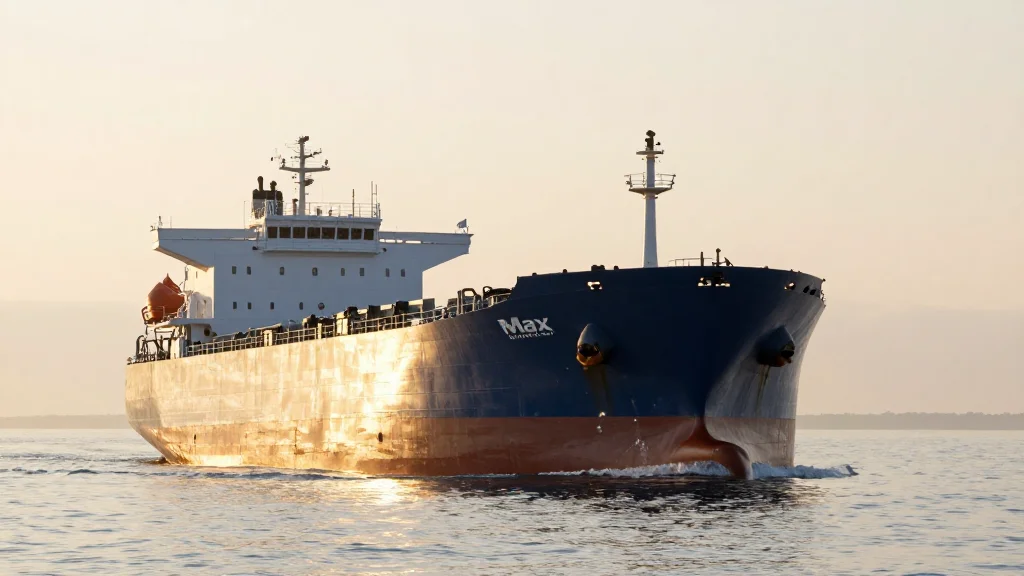
Himalaya Shipping Books Profit After Strong Start to the Year for Capesizes
Why It Matters
The profit confirms that bulk‑carrier rates can rebound sharply, boosting earnings for shipowners and signaling a healthier demand environment for raw‑material transport. Investors and lenders will view the turnaround as a positive catalyst for the sector’s financing outlook.
Key Takeaways
- •Capesize and Newcastlemax rates surged to multi‑year highs
- •First‑quarter profit ends Himalaya’s loss streak
- •Best segment start since 2010 indicates strong demand
- •Higher freight rates improve cash flow for shipowners
Pulse Analysis
The bulk‑shipping market entered 2026 on a bullish note, as global demand for iron ore, coal and grain surged amid renewed infrastructure spending in Asia and Europe. Vessel owners benefited from tighter supply of newbuilds, which kept the fleet size constrained and pushed spot freight rates upward. Analysts point to a confluence of factors—robust commodity imports, limited port congestion, and a modest rebound in Chinese steel production—as the primary drivers of the market’s upward momentum.
Himalaya Shipping, a mid‑size owner of capesizes and Newcastlemaxes, capitalized on this environment by booking a profit in the first quarter, the first such result since the company’s 2023 loss. Freight rates for its flagship capesize vessels climbed to $30,000‑$35,000 per day, while Newcastlemaxes fetched $22,000‑$26,000, levels not seen since 2010. The company’s strategic focus on high‑grade contracts and efficient fuel‑management practices amplified earnings, allowing it to offset higher bunker costs and deliver a net profit that beat internal forecasts.
The earnings beat has broader implications for the bulk‑carrier sector. Lenders and equity investors are likely to reassess credit terms and valuation multiples, given the demonstrated upside potential when market cycles turn favorable. However, the upside remains contingent on sustained commodity demand and the avoidance of a sudden supply glut from newbuild deliveries slated for 2027‑2028. Stakeholders will watch closely for signs of rate stabilization, as prolonged peaks could invite over‑capacity and erode profit margins across the industry.
Himalaya Shipping books profit after strong start to the year for capesizes
Comments
Want to join the conversation?
Loading comments...