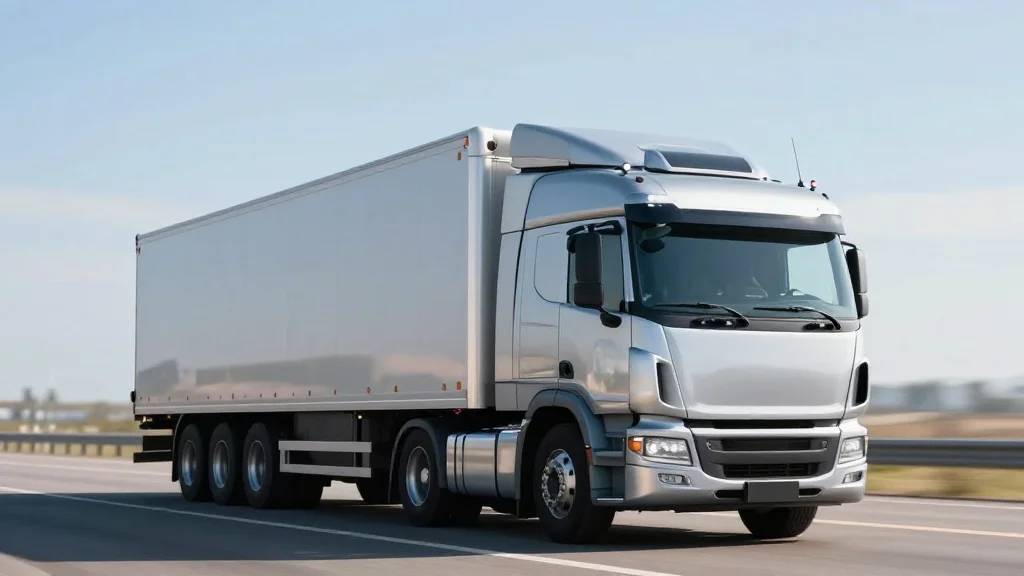
Hirschbach to Deploy 500 Aurora‑Powered Autonomous Trucks by 2027

Companies Mentioned
Why It Matters
The Hirschbach‑Aurora deal could accelerate the commercial viability of autonomous freight, demonstrating that large carriers are willing to commit capital to driverless technology at scale. By targeting 500 million driverless miles, the partnership promises measurable cost savings, lower emissions, and more predictable delivery windows for shippers, potentially reshaping supply‑chain economics. At the same time, the rollout spotlights labor and regulatory challenges. As autonomous trucks take on long‑haul routes, driver unions and policymakers will need to address workforce displacement, retraining programs, and safety oversight. The outcome will influence how quickly other carriers adopt similar models and how regulators craft rules for high‑volume driverless operations.
Key Takeaways
- •Hirschbach signs MOU to acquire 500 Aurora Driver trucks, deliveries start 2027
- •Deal aims for 500 million driverless miles and a revenue stream for Aurora worth hundreds of millions of dollars
- •Aurora’s DaaS model will be used, with final terms expected by end‑2026
- •Current Aurora fleet has logged >800,000 miles and 2,000+ loads for Hirschbach
- •Expansion focuses on Sun Belt high‑volume routes, especially Fort Worth‑to‑Phoenix
Pulse Analysis
Hirschbach’s commitment signals a turning point for autonomous freight, moving the technology from pilot projects to a core component of a major carrier’s network. Historically, autonomous trucking pilots have been limited to a few dozen vehicles; scaling to 500 units within a year suggests confidence in both the technology’s reliability and its economic upside. Aurora’s DaaS model lowers upfront capital barriers for carriers, allowing them to pay for mileage or service rather than outright vehicle ownership, which could accelerate adoption across the fragmented U.S. trucking industry.
The partnership also underscores a strategic shift: carriers are now leveraging autonomy not just for cost reduction but as a talent retention tool. By assigning driverless trucks to the longest, least desirable routes, Hirschbach can keep human drivers on higher‑value, customer‑facing legs of the haul, potentially improving driver satisfaction and reducing turnover—a chronic issue in trucking. If the rollout delivers on promised mileage and safety metrics, it could set a benchmark that forces competitors to negotiate similar deals, intensifying competition among autonomous technology firms.
Regulators will likely face pressure to expedite approvals for large‑scale driverless operations, especially on interstate corridors. Successful integration of 500 autonomous trucks could provide a data‑rich case study for safety standards, influencing federal policy and possibly prompting new legislation that balances innovation with public safety. The next six months—finalizing contracts, securing permits, and beginning deliveries—will be critical in determining whether this ambitious plan becomes a blueprint for the industry or a cautionary tale of over‑promising.
Hirschbach to Deploy 500 Aurora‑Powered Autonomous Trucks by 2027
Comments
Want to join the conversation?
Loading comments...