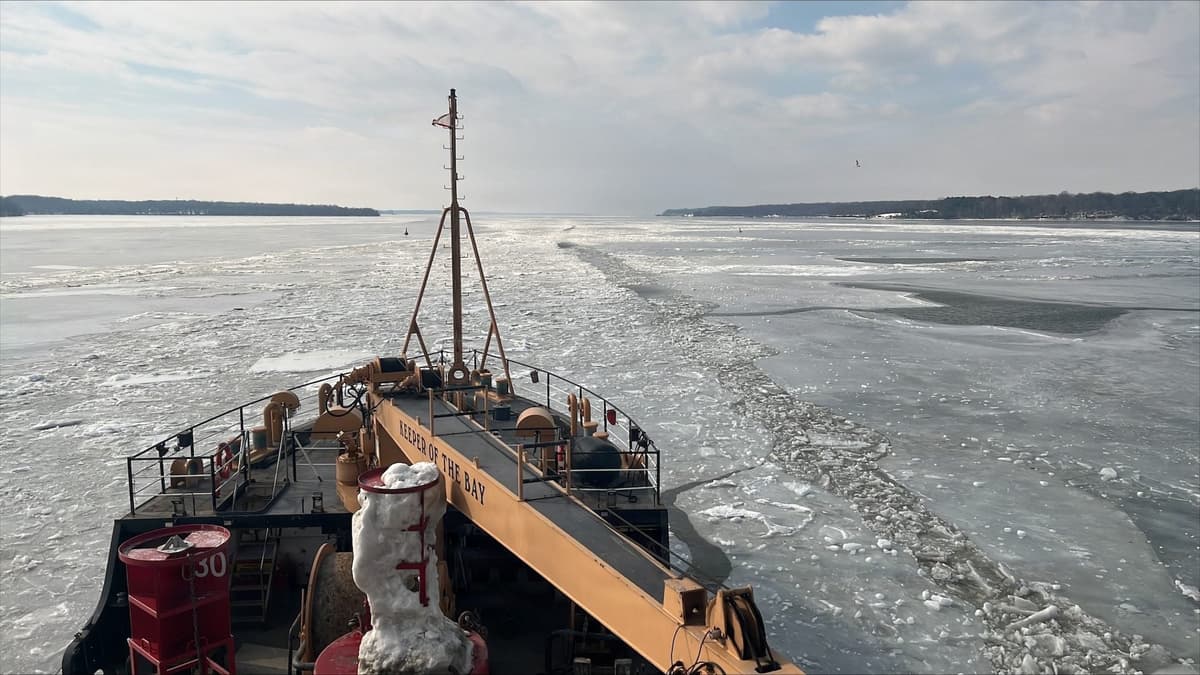
Historic Cold Pushed U.S. Coast Guard Icebreaking Fleet to the Limit in 2026
Why It Matters
Extended ice conditions threatened freight flow, energy supplies and regional economies, underscoring the strategic importance of a modern domestic icebreaking capability. The season’s strain on outdated vessels makes fleet renewal a national security and economic priority.
Key Takeaways
- •Over 50 million tons of ice broken, longest season in a decade
- •6,940 icebreaking hours supported 981 vessels across Great Lakes and East Coast
- •Great Lakes ice coverage hit 58% average, Lake Erie 95% at peak
- •Operations protected 90% of Northeast fuel oil transport via RENEW
- •USCG fleet ages 1960s‑2000s; modernization plan targets new heavy icebreakers
Pulse Analysis
The 2026 ice season exposed a perfect storm of extreme cold, rapid ice accretion and a stretched Coast Guard icebreaking fleet. From the Detroit River to the Chesapeake Bay, more than 600 nautical miles of waterways were clogged, prompting nearly 7,000 hours of icebreaking. The Coast Guard deployed a mix of heavy, medium and light icebreakers, tugs and buoy tenders, conducting two major Great Lakes operations—Coal Shovel and Taconite—while the RENEW mission safeguarded the Northeast’s fuel oil supply chain. This unprecedented effort kept 981 vessels moving, preserving critical commodity flows and preventing costly delays.
Beyond the immediate operational feat, the ice event had tangible economic ramifications. The Great Lakes region, a conduit for taconite ore and bulk commodities, saw ice coverage soar to a seven‑year high of 58%, with Lake Erie nearly fully frozen. Such conditions threatened the timely delivery of raw materials to steel mills and jeopardized the transport of 90% of the Northeast’s fuel oil. By maintaining open channels, the Coast Guard averted supply bottlenecks that could have spiked energy prices and disrupted manufacturing output, reinforcing the link between icebreaking capacity and national economic resilience.
However, the season also laid bare the fleet’s aging profile. The light icebreaking tugs date back to the 1960s, medium icebreakers to the late 1970s‑80s, and the sole heavy icebreaker, USCGC Mackinaw, entered service in 2006. Recognizing these vulnerabilities, the Coast Guard has unveiled a modernization roadmap that calls for new heavy and medium icebreakers equipped with advanced hull designs and propulsion systems. Securing funding and political support for this program will be essential to sustain maritime commerce, energy security, and strategic mobility in an era of increasingly volatile winter weather patterns.
Historic Cold Pushed U.S. Coast Guard Icebreaking Fleet to the Limit in 2026
Comments
Want to join the conversation?
Loading comments...