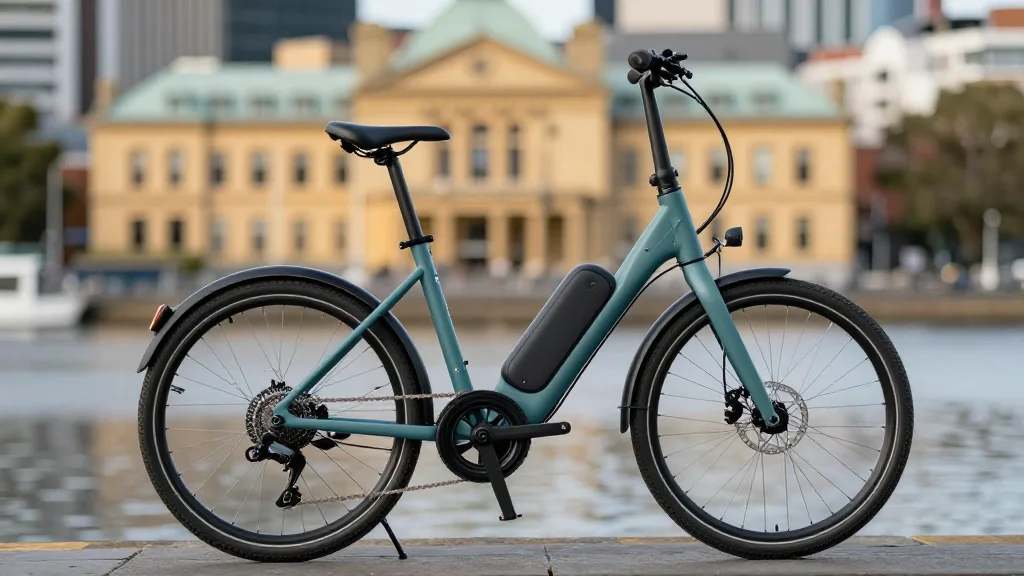
Hobart to Ditch Hire E-Scooters and Bring in 'Safer' E-Bikes Instead
Why It Matters
Shifting to e‑bikes addresses safety concerns while preserving the environmental gains of shared micromobility, setting a precedent for other municipalities grappling with scooter regulation.
Key Takeaways
- •Hobart replaces e‑scooters with compact shared e‑bikes
- •Safety and parking complaints drove the policy shift
- •E‑bike program logged 13,300 monthly trips, cutting car use
- •Council will launch a tender for smaller e‑bikes soon
Pulse Analysis
Hobart’s decision to retire its e‑scooter fleet reflects a broader reassessment of micromobility models in dense urban environments. While e‑scooters have surged worldwide as a low‑cost, on‑demand transport option, many cities have struggled with inconsistent parking, rider behavior, and fragmented regulations. In Hobart, footpath clutter and safety incidents prompted residents and officials to question the suitability of two‑wheel scooters on narrow streets, leading the council to prioritize a more controlled solution.
The e‑bike component of Hobart’s shared program has already demonstrated strong adoption, averaging 13,300 trips per month and covering over 16,600 km in a recent 15‑month window. Those trips have displaced short car journeys, contributing to measurable emissions reductions and supporting the city’s climate objectives. Unlike scooters, e‑bikes are perceived as a transportation mode rather than a novelty, encouraging predictable routes and compliance with traffic rules. The shift also aligns with emerging research that positions e‑bikes as a versatile bridge between cycling and motorized travel, especially for longer distances and hilly terrain.
Looking ahead, Hobart’s tender for "compact" e‑bikes could influence other municipalities wrestling with similar challenges. By specifying smaller frames and robust safety features, the city aims to integrate micromobility more seamlessly into public spaces while mitigating the drawbacks that plagued its scooter rollout. The move underscores a growing trend: cities are refining shared‑vehicle portfolios to balance accessibility, sustainability, and public safety, a formula that may become the new standard for urban mobility strategies worldwide.
Hobart to ditch hire e-scooters and bring in 'safer' e-bikes instead
Comments
Want to join the conversation?
Loading comments...