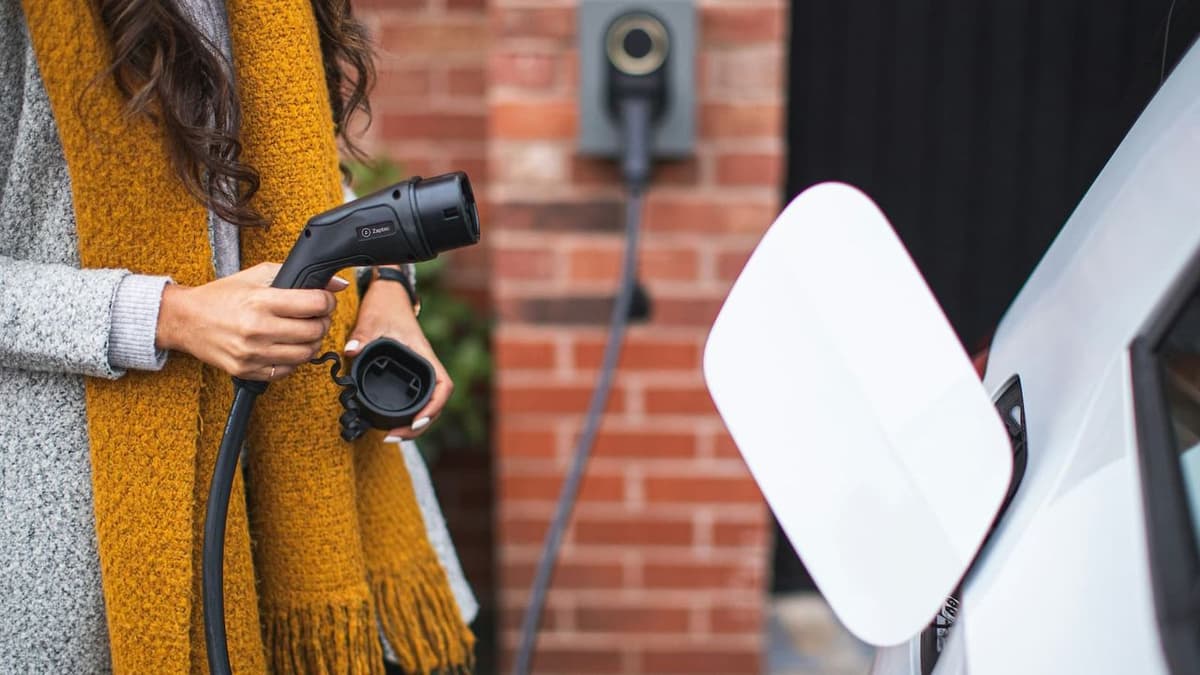
Homeowners Face Strict Steps to Secure £500 EV Charger Grant Before 2027 Deadline
Why It Matters
By directing subsidies toward harder‑to‑install chargers, the grant accelerates EV adoption in urban settings while ensuring public funds support installations that would otherwise face cost barriers. Homeowners and installers must act quickly to meet the March 2027 deadline or lose the financial incentive.
Key Takeaways
- •Grant offers up to £500 (~$635) for complex home charger installs
- •Eligibility limited to homes without private driveways or garages
- •OZEV‑approved installer and DNO approval required before work begins
- •Application deadline is 31 March 2027; delays risk losing funding
- •Installers manage paperwork, but homeowners must verify compliance
Pulse Analysis
The updated home‑charging grant reflects the UK’s broader push to expand electric‑vehicle infrastructure ahead of its 2030 net‑zero targets. While the £500 (about $635) subsidy may appear modest, it addresses a critical cost gap for urban dwellers who lack private parking and face expensive civil works such as pavement crossings or protected cabling. By tying the funding to OZEV‑approved installers and mandatory Distribution Network Operator (DNO) clearance, the scheme ensures that installations meet safety standards and grid compatibility, reducing the risk of insurance claims and costly retrofits.
For homeowners, the new eligibility criteria narrow the pool to properties where installation complexity drives up expenses. Those without driveways or garages must submit a formal application to their DNO, confirming that the proposed equipment aligns with technical specifications. This procedural hurdle shifts much of the administrative burden onto professional installers, who now act as both contractors and compliance officers. The requirement for grid notification also benefits utilities by providing early visibility into load impacts, helping to manage demand on local networks as EV penetration rises.
The March 2027 cutoff creates a sense of urgency that could spur a wave of installations before the deadline, especially as the market for certified installers expands. Missing the grant not only means forfeiting up to $635 but also potentially delaying a homeowner’s transition to electric mobility. In the longer term, targeting subsidies toward complex installations may accelerate EV adoption in densely populated areas, supporting the UK’s emissions goals while fostering a more resilient, home‑based charging ecosystem.
Homeowners face strict steps to secure £500 EV charger grant before 2027 deadline
Comments
Want to join the conversation?
Loading comments...