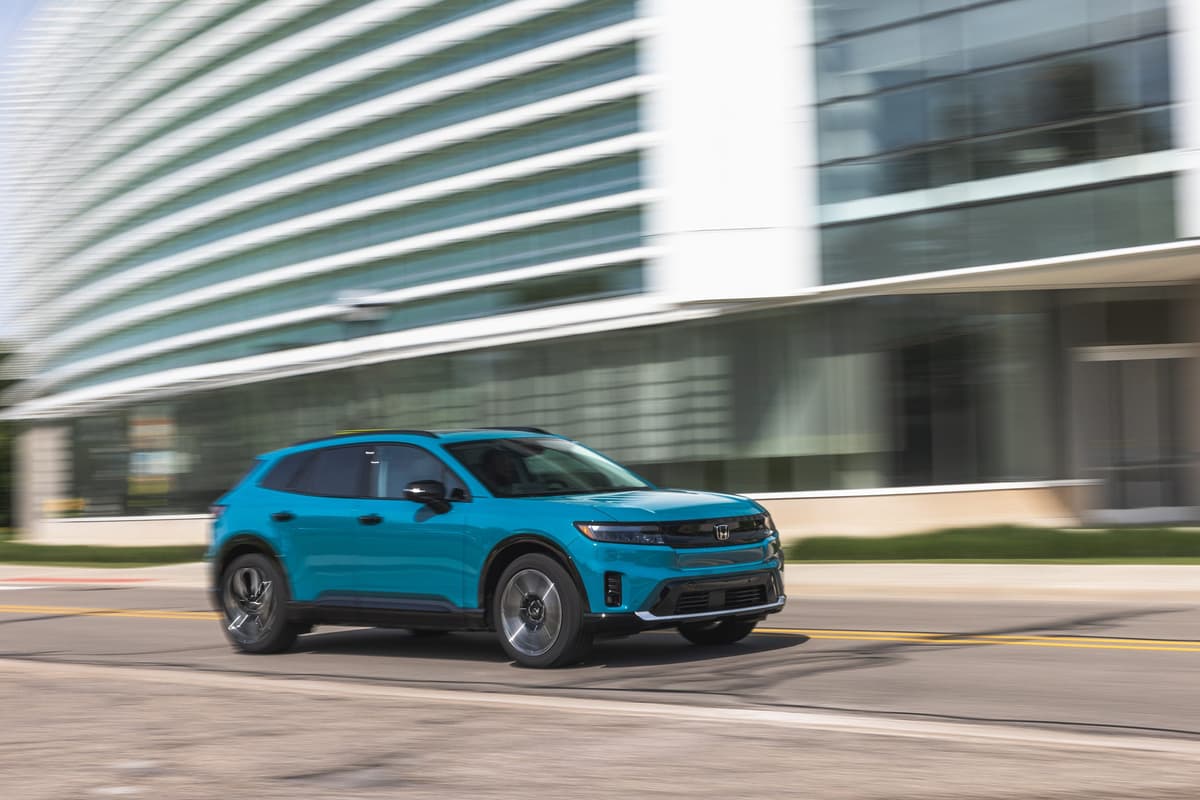
Honda Recalling 65,135 Prologue and ZDX Models with Software Issues
•March 4, 2026
0
Companies Mentioned
Why It Matters
The recall underscores the safety risks tied to increasingly software‑dependent vehicles and pressures manufacturers to strengthen code quality and OTA‑update capabilities.
Key Takeaways
- •Recall affects 65,135 2024 Honda/Acura SUVs
- •Software bugs blank rear‑camera and instrument cluster
- •Radio Control Module contains six independent defects
- •Fix requires dealership software update, not owner repair
- •No injuries reported; 148 warranty claims filed
Pulse Analysis
The surge in electric and highly connected SUVs has pushed automakers to embed sophisticated software in core vehicle functions, from driver‑assist displays to infotainment screens. Honda’s recent recall of over 65,000 Prologue and ZDX models illustrates how a single control module can affect multiple safety‑critical interfaces. When the Radio Control Module fails, drivers lose visual cues such as speedometer readings and rear‑camera imagery, creating a window for potential accidents despite the issue being intermittent.
For Honda and Acura, the recall presents both a logistical challenge and a reputational test. Updating the software at dealerships incurs significant labor costs and may inconvenience owners, especially as the affected fleet consists solely of 2024 model‑year vehicles still under warranty. However, the absence of injuries and the relatively low number of warranty claims suggest the defect has not yet translated into widespread harm. Prompt communication and a seamless fix can mitigate brand erosion, reinforcing consumer confidence in Honda’s commitment to safety and quality.
Industry analysts view this event as a catalyst for broader adoption of over‑the‑air (OTA) updates, which allow manufacturers to patch software without physical service visits. Regulators are also tightening scrutiny of vehicle software reliability, prompting OEMs to invest in more rigorous testing and validation processes. As vehicles become moving computers, the ability to quickly address code flaws will be a competitive differentiator, shaping the future of automotive safety and customer experience.
Honda Recalling 65,135 Prologue and ZDX Models with Software Issues
0
Comments
Want to join the conversation?
Loading comments...