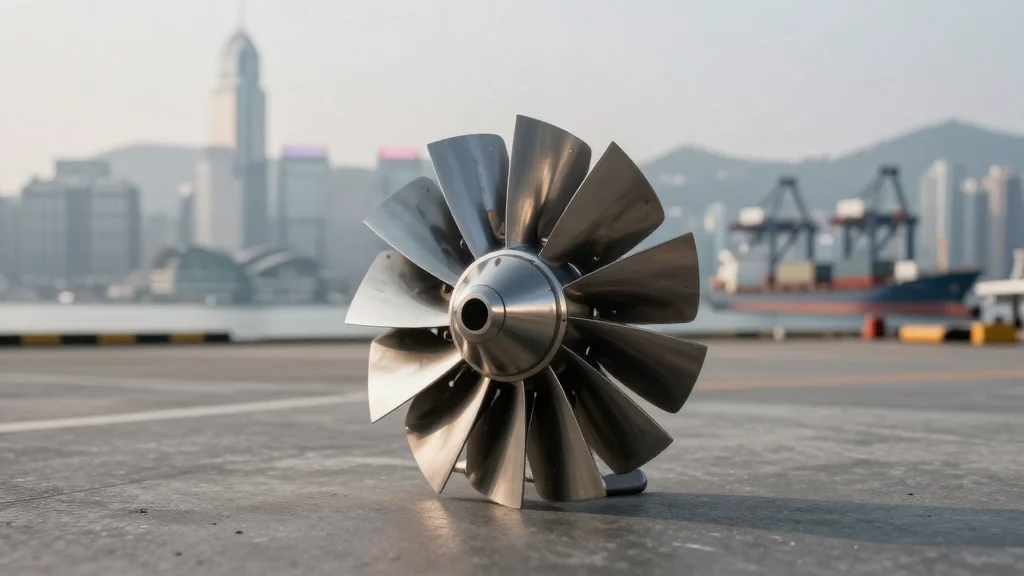
Hong Kong Advances Plans To Become Aircraft Parts Processing And Trading Centre
Why It Matters
The move diversifies Hong Kong’s economy and positions it as a high‑value aviation hub amid rising demand for refurbished components as fleets age. It creates new revenue streams, jobs and strengthens cross‑border aviation cooperation in the region.
Key Takeaways
- •Hong Kong targets Asia’s first aircraft parts processing hub by 2027
- •Incentives include land grants, subsidies, and tax concessions for firms
- •Strategy leverages free‑port status and logistics network for trading
- •Supports China’s C919 program with local maintenance expertise
- •Rising demand for refurbished components fuels regional aviation growth
Pulse Analysis
Global aircraft fleets are reaching retirement age faster than new deliveries can replace them, driving a surge in demand for refurbished parts. Operators seek cost‑effective components that meet stringent safety standards, creating a lucrative market for dismantling, recycling and certification services. Hong Kong, with its deep‑water port, world‑class logistics infrastructure and proximity to major Asian markets, is uniquely positioned to capture a share of this growing value chain. By formalising an ecosystem that spans inspection, refurbishment, certification and cross‑border trading, the city can become a pivotal node in the regional supply chain.
The government’s incentive package—land grants, reduced premiums, financial subsidies and tax concessions—targets high‑value aviation firms willing to set up processing facilities near the airport. Coupled with Hong Kong’s free‑port regime and transparent legal framework, these measures lower entry barriers and enhance profitability for investors. Moreover, the city’s role as a regulatory bridge between Mainland China and international aviation authorities facilitates streamlined certification processes, a critical advantage for parts traders seeking rapid market access. The coordinated effort of the Steering Committee on Preferential Policies ensures that incentives are tailored to each company’s technological capabilities and economic contribution.
Beyond commercial gains, the initiative bolsters China’s domestically produced aircraft programmes, such as the C919, by providing local maintenance expertise and a launchpad for international operations. Approximately 40 Hong Kong‑based professionals are already qualified to service the C919, and the expanded regional maintenance framework with Mainland China and Macau promises deeper workforce development. As airlines increasingly adopt refurbished components and domestically built jets, Hong Kong’s emerging hub is set to generate high‑skill jobs, attract foreign investment, and reinforce its status as a leading aviation services centre in Asia.
Hong Kong Advances Plans To Become Aircraft Parts Processing And Trading Centre
Comments
Want to join the conversation?
Loading comments...