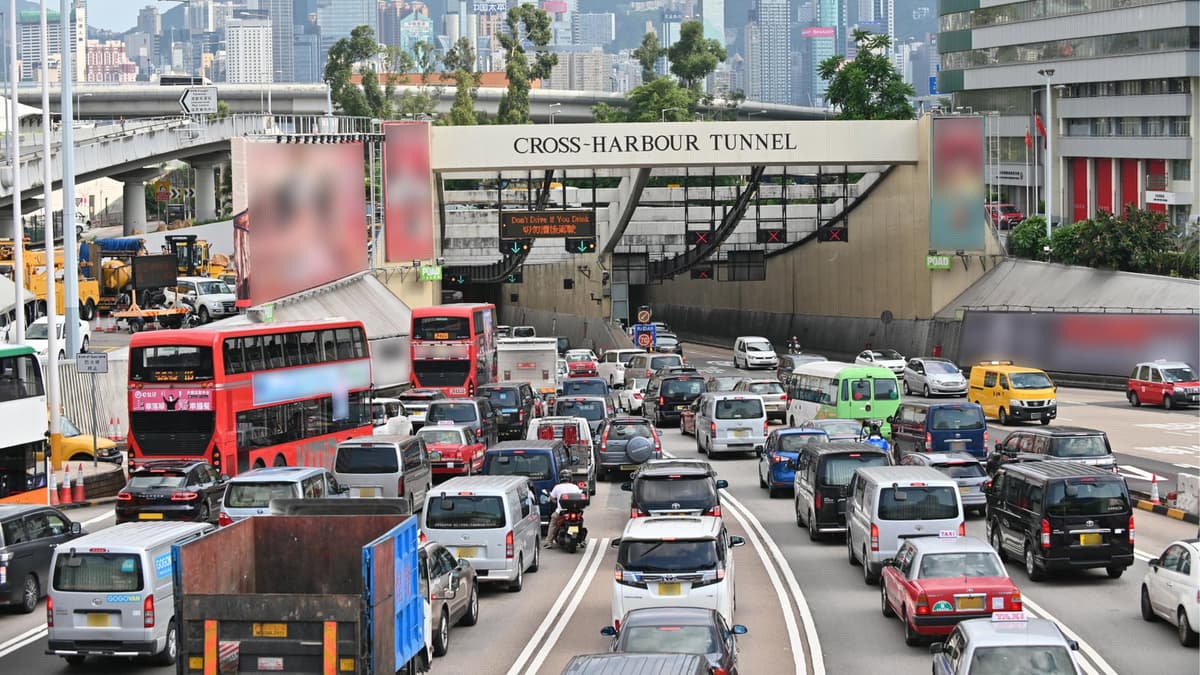
Hong Kong to Waive 50% Tunnel Toll for Commercial Vehicles From 17 May 2026
Why It Matters
Cutting tunnel fees directly reduces operating expenses for fleet owners, helping them absorb volatile fuel costs and maintain service reliability. The policy underscores Hong Kong’s proactive approach to transport‑related inflation, which could set a benchmark for other Asian logistics hubs.
Key Takeaways
- •50% tunnel toll cut for commercial vehicles, two‑month period
- •Buses, goods trucks, light buses, taxis eligible; private cars excluded
- •No application needed; HKeToll system auto‑adjusts fees
- •Measure targets rising fuel costs, easing operator cash flow
- •Taxi passengers still pay full statutory toll during waiver
Pulse Analysis
Hong Kong’s decision to halve tunnel tolls for commercial vehicles arrives amid a regional surge in fuel prices that has strained logistics margins. Tolls on the city’s cross‑harbour and cross‑border tunnels represent a significant fixed cost for fleets, often accounting for 5‑10% of a vehicle’s daily operating expense. By leveraging the existing HKeToll platform, the government can implement the discount instantly, avoiding bureaucratic delays and ensuring that savings flow directly to operators at the point of payment.
For fleet managers, the two‑month waiver translates into immediate cash‑flow relief. A typical city bus or medium‑size goods truck can save several hundred Hong Kong dollars per round‑trip, which, when aggregated across daily routes, eases the pressure of rising diesel and gasoline prices. The measure complements other initiatives, such as proposed diesel subsidies, by targeting a different cost component—toll infrastructure rather than fuel itself—thereby offering a more diversified buffer against price volatility. Operators can also avoid the administrative burden of applying for subsidies, as the system automatically adjusts the charge.
The broader implication is a signal to regional transport hubs that cost‑containment tools can be both swift and targeted. Hong Kong’s approach may encourage neighboring economies to consider similar toll‑adjustment mechanisms, especially where toll revenue is a major fiscal source. However, the exclusion of private cars and the unchanged fare for taxi passengers highlight a calibrated strategy aimed at commercial users without disrupting broader traffic‑management objectives. As fuel markets stabilize, the temporary nature of the waiver will allow policymakers to assess its impact on logistics efficiency and fiscal revenue before deciding on longer‑term reforms.
Hong Kong to waive 50% tunnel toll for commercial vehicles from 17 May 2026
Comments
Want to join the conversation?
Loading comments...