Hopes for Suez Canal Revival Dashed
•March 2, 2026
0
Why It Matters
The suspension erodes a critical source of foreign exchange for Egypt and signals heightened geopolitical risk for global container supply chains.
Key Takeaways
- •Maersk, Hapag‑Lloyd, CMA CGM suspend Suez routes
- •Egypt lost $9 billion in transit fees
- •Canal revenue fell to $3.6 billion in 2024
- •Houthi attacks may resume amid Iran‑Israel conflict
- •IMF provided $2.3 billion loans as near‑term buffer
Pulse Analysis
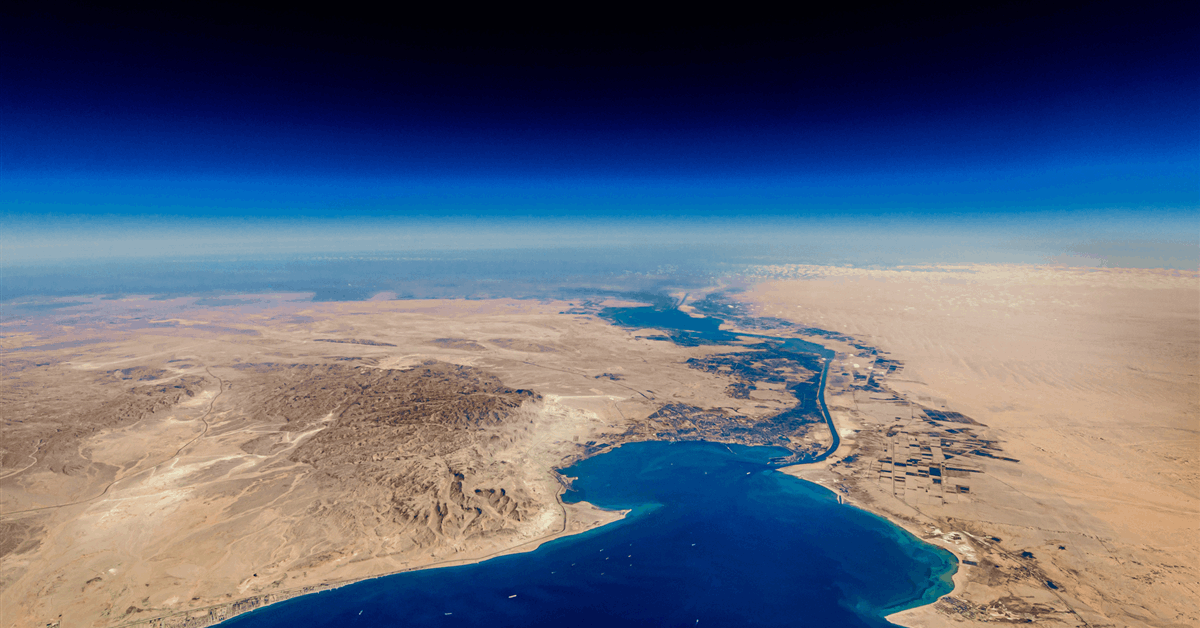
The Suez Canal, long hailed as the world’s most efficient maritime shortcut between Asia and Europe, has once again become a casualty of geopolitical tension. After a tentative revival earlier this year, major carriers withdrew after the United States and Israel escalated hostilities with Iran, prompting fears that Iranian‑backed Houthi militants could resume attacks on commercial vessels. This strategic retreat underscores how quickly regional conflicts can ripple through global logistics, forcing shippers to reroute around the Cape of Good Hope and inflating transit times and costs.
For Egypt, the canal’s downturn translates into a stark fiscal shortfall. Central‑bank data show revenues soaring to a record $9.6 billion in 2023 before collapsing to roughly $3.6 billion the following year, a $9 billion gap directly linked to the current security scare. While the government leans on diversified foreign‑exchange streams—tourism, remittances and a $57 billion bailout secured in 2024—the loss still pressures the nation’s balance of payments, depresses the pound, and drags the stock index lower. Recent IMF disbursements of $2.3 billion provide a temporary cushion, yet the underlying vulnerability remains.
The broader shipping industry must now reassess risk models and contingency plans. With the Red Sea corridor’s reliability in doubt, carriers are accelerating investments in alternative routes, insurance premiums are rising, and freight forwarders are revisiting inventory strategies to mitigate delays. Analysts warn that prolonged avoidance of the Suez could reshape trade patterns, prompting a shift toward overland corridors or longer sea legs, and potentially accelerating the adoption of autonomous vessels and digital freight platforms to enhance resilience against future geopolitical shocks.
Hopes for Suez Canal Revival Dashed
0
Comments
Want to join the conversation?
Loading comments...